
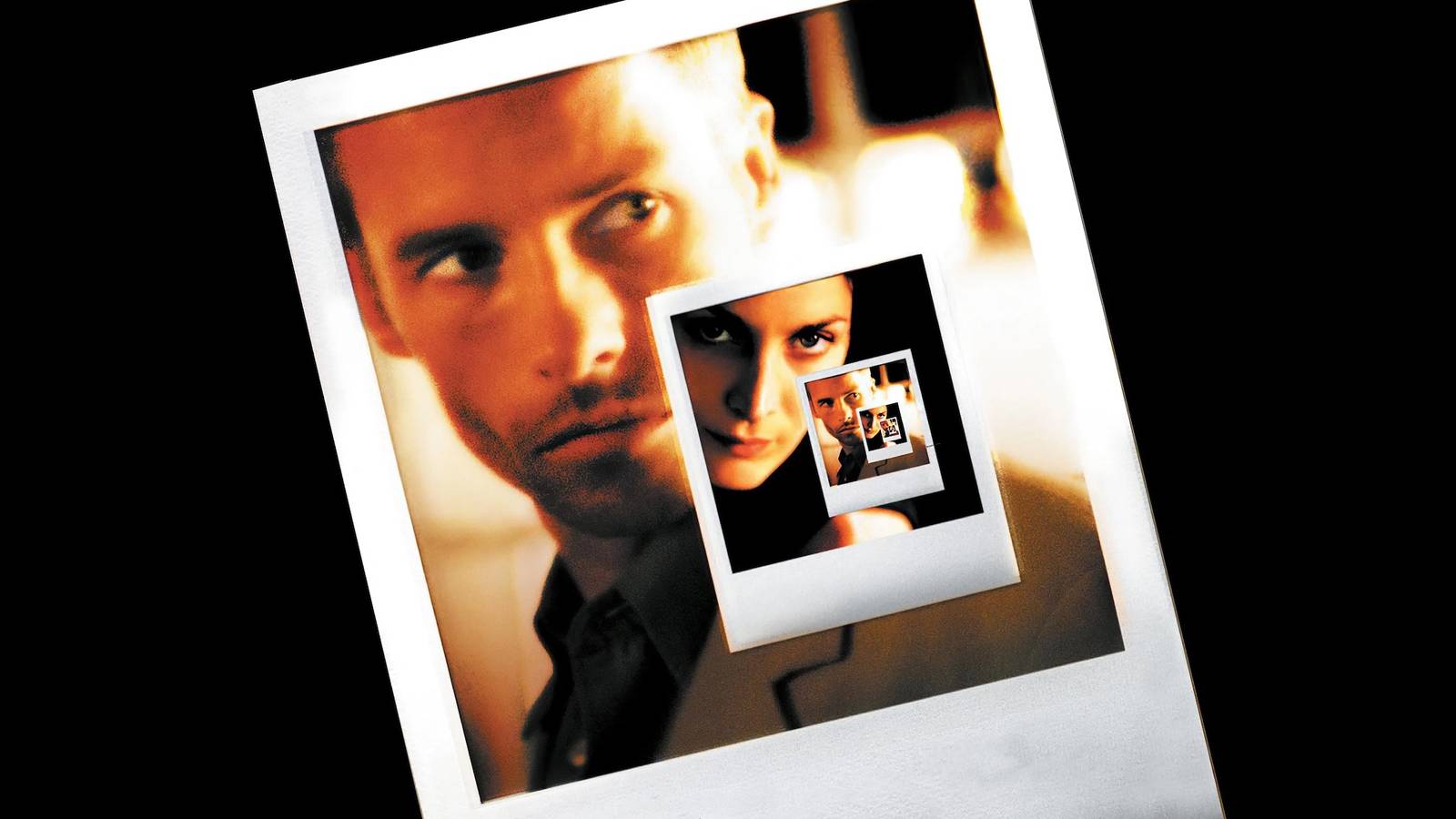
Image via Newmarket Published Aug 20, 2026, 1:08 PM EDT Diego Pineda has been a devout storyteller his whole life. He has self-published a fantasy novel and a book of short stories, and is actively working on publishing his second novel. A lifelong fan of watching movies and talking about them endlessly, he writes reviews and analyses on his Instagram page dedicated to cinema, and occasionally on his blog. His favorite filmmakers are Andrei Tarkovsky and Charlie Chaplin. He loves modern Mexican cinema and thinks it's tragically underappreciated. Other interests of Diego's include reading, gaming, roller coasters, writing reviews on his Letterboxd account (username: DPP_reviews), and going down rabbit holes of whatever topic he's interested in at any given point. Sign in to your Collider account What makes a movie intense? It could be having the constant pressure of sky-high stakes, or the nail-biting tension of well-built suspense, or a fast-paced narrative that just doesn't let up. Regardless, from 2000 until the present, there have been plenty of films so incredibly intense that they're bound to go down in history as some of the greatest thrillers, action movies, and survival dramas in the history of 21st-century cinema. In a few decades' time, cinephiles are bound to speak about these masterpieces in the same breath as paragons of high-intensity cinema like Se7en or The Wages of Fear. These can be huge genre blockbusters like Mad Max: Fury Road, George Miller's momentous return to the Mad Max franchise after a whopping three decades; or even smaller—yet equally legendary—indie features like the groundbreaking character study Memento. Regardless of how it is that a great modern film builds intensity, what really sets it apart is the ability to keep that intensity high and constant for the entire duration of the runtime. These immensely suspenseful, edge-of-your-seat films are proof of just how much intensity can help in making a movie unforgettable. 6 'Mad Max: Fury Road' (2015) Image via Warner Bros. Pictures After the tragic passing of his close friend and long-time producer partner Byron Kennedy, George Miller decided to distance himself from the Mad Max franchise after the lukewarm critical reception of Beyond Thunderdome. The idea for Fury Road had been floating in his mind since the '80s, but it wouldn't be all the way until the 2010s that the idea would finally materialize. In the end, the result turned out to be not just the greatest Mad Max film to date by a decent margin, but perhaps even one of the greatest action movies of the 21st century. It's certainly one of the best sci-fi action movies in film history, directed with the utmost creativity and authority by Miller at the top of his game. Full of over-the-top world-building and surprisingly complex character development considering the virtual lack of dialogue, Fury Road nevertheless stands out mostly because of its tremendous intensity. The film is two hours of pure high-octane adrenaline, a perfectly shot and perfectly edited chase sequence that ends up feeling far shorter than it actually is. Hugely entertaining and visually stunning, it ends up being one of the most unforgettable action flicks of the 2010s. 5 'Memento' (2000) Image via Newmarket Films Nowadays, Christopher Nolan tends to be recognized as one of the leading spearheads of the Hollywood blockbuster filmmaking game. Even the greats have to start somewhere, though, and Nolan was no exception. Once upon a time, a young up-and-coming indie director named Christopher Nolan premiered Memento at the Venice Film Festival, earning nothing but praise and critical love all across the board. A whopping 26 years—and many far bigger thrillers—later, many would still confidently call this gem Nolan's magnum opus. There are many R-rated psychological thrillers that are masterpieces, and Memento is most certainly one of them. Its revenge story about an amnesiac man trying to unravel the mystery of his wife's murder would be naturally intense in a vacuum, but it's the incredibly creative way in which Nolan executes that premise that really transforms Memento from a great thriller into a downright masterpiece. There aren't very many feature films out there that are structured in reverse-chronological order, and that's because it's a concept that's nigh-impossible to execute well. Not only does Nolan pull it off, he turns it into the foundation of one of the most emotionally powerful, thematically strong, and dramatically intense thrillers the 2000s ever saw. 4 'Gravity' (2013) Image via Warner Bros. Alfonso Cuarón has spent his whole career proving himself to be one of the most chameleonic filmmakers in both Mexico and Hollywood, as perfectly demonstrated by the sci-fi survival thriller Gravity. Though it leans much more heavily toward the "science" part of the genre rather than "fiction," it's still a must-see for fans of modern sci-fi movies. Winner of seven Academy Awards, including Cuarón's first for Best Director, it has aged wonderfully as one of the most essential survival dramas of the 21st century so far. It's also one of the best hard sci-fi movies since 2000, anchored by a trifecta of elements without equal: Cuarón's intense, nail-bitingly suspenseful direction; the strongest, most emotionally potent performance of Sandra Bullock's career; and the jaw-dropping visual effects that once led a Mexican reporter to ask Cuarón what it was like to shoot in space. These elements, along with virtually every other one of Gravity's spotless technical and narrative qualities, all help make Gravity a genuine edge-of-your-seat thriller all about grief, rebirth, and the heroism inherent to survival and resilience. 3 'Whiplash' (2014) Damien Chazelle so far only has a handful of feature films under his belt, but they have been more than enough to establish him as one of the most exciting young voices currently working in Hollywood. That reputation was established as far back as 2014, when Chazelle's sophomore feature directing effort, Whiplash, hit theaters. Based on Chazelle's own 2013 short film of the same name, this Oscar-winning masterpiece is one of the most thrilling movies released since 2000, a testament to just how intense character-driven dramas can get when done and written with enough momentum. Whether or not Whiplash is Chazelle's best film or not is irrelevant; the fact of the matter is that it's easily his most intense, and perhaps even the single most intense movie about music and artistic obsession that the world has seen in decades. Strongly bolstered by Miles Teller's potent, transformative performance and a villainous turn from J. K. Simmons that just oozes intensity, it's not only one of the best-acted dramas of the 2010s, but also one of the most tense. Whiplash is proof that memorable dialogue, strong acting, and rapid-fire pacing are all it takes for a movie to be incredibly intense. Collider Exclusive · Oscar Best Picture Quiz Which Oscar Best PictureIs Your Perfect Movie? Parasite · Everything Everywhere · Oppenheimer · Birdman · No Country Five Oscar Best Picture winners. Five completely different visions of what cinema can be — and what it can do to you. One of them is the film that was made for the way your mind works. Ten questions will figure out which one. 🪜Parasite 🌀Everything Everywhere ☢️Oppenheimer 🐦Birdman 🪙No Country for Old Men FIND YOUR FILM → 01 What kind of film experience do you actually want? The best movies don't just entertain — they leave something behind. ASomething that pulls the rug out — that makes me think I'm watching one kind of film and then reveals I'm watching another entirely. BSomething overwhelming — funny, sad, absurd, and genuinely moving, all at once. CSomething grand and weighty — a film that makes me feel the full scale of what I'm watching. DSomething formally daring — a film that pushes what cinema can even do. ESomething lean and relentless — pure tension with no wasted frame. NEXT QUESTION → 02 Which idea grabs you most in a film? Great films are driven by a central obsession. What's yours? AClass, inequality, and what people are willing to do when desperation meets opportunity. BIdentity, family, and the chaos of trying to hold your life together when everything is falling apart. CGenius, moral responsibility, and the catastrophic weight of a decision you can never take back. DEgo, legacy, and the terror of becoming irrelevant while you're still alive to watch it happen. EEvil, chance, and whether moral order actually exists or if we just tell ourselves it does. NEXT QUESTION → 03 How do you like your story told? Form is content. The way a story is shaped changes what it means. AGenre-twisting — I want it to start in one lane and migrate into something completely different. BMaximalist and genre-blending — comedy, action, drama, sci-fi, all in one ride. CEpic and non-linear — cutting between timelines, building a mosaic of cause and consequence. DA single unbroken flow — I want to feel like I'm living it in real time, no cuts to safety. ESpare and precise — every scene doing exactly what it needs to do and nothing more. NEXT QUESTION → 04 What makes a truly great antagonist? The opposition defines the protagonist. What kind of opposition fascinates you? AA system — invisible, structural, and almost impossible to fight because it has no single face. BThe self — the ways we sabotage, abandon, and fail the people we love most. CHistory — the unstoppable momentum of events that no single person can stop or redirect. DThe industry — the machinery of culture that chews up talent and spits out irrelevance. EPure, implacable evil — a force so certain of itself it becomes almost philosophical. NEXT QUESTION → 05 What do you want from a film's ending? The final note is the one that lingers. What do you want it to sound like? AShock and inevitability — a conclusion that recontextualises everything that came before it. BEarned emotion — I want to cry, laugh, and feel genuinely hopeful, even if the world is a mess. CDevastation and grandeur — an ending that makes me sit in silence for a few minutes after. DAmbiguity — something that leaves enough open that I'm still thinking about it days later. EBleakness — an honest refusal to pretend the world is tidier than it actually is. NEXT QUESTION → 06 Which setting pulls you in most? Where a film takes place shapes everything — mood, stakes, what's even possible. AA gleaming modern city with a hidden underside — beauty masking rot, wealth masking desperation. BA collapsing suburban life that opens onto something infinite — the multiverse of a single ordinary person. CThe corridors of power and science at a world-historical turning point — where decisions echo for decades. DThe grimy, alive chaos of New York and Hollywood — fame as both destination and trap. EVast, indifferent landscape — desert and highway where violence arrives without warning or reason. NEXT QUESTION → 07 What cinematic craft impresses you most? Every great film has a signature — a technical or artistic element that makes it unmistakable. AProduction design and mise-en-scène — every frame composed to carry meaning beneath the surface. BEditing and tonal control — the ability to move between registers without losing the audience. CScore and sound design — music that becomes inseparable from the dread and awe of what you're watching. DCinematography as performance — the camera not recording events but participating in them. ESilence and restraint — what's left unsaid and unshown doing more work than any dialogue could. NEXT QUESTION → 08 What kind of main character do you root for? The protagonist is the lens. Who you choose to follow says something about you. ASomeone smart and resourceful who makes increasingly dangerous decisions under pressure. BSomeone overwhelmed and ordinary who turns out to be capable of something extraordinary. CA brilliant, tortured figure whose gifts and flaws are inseparable from each other. DA self-destructive artist whose ego is both their superpower and their undoing. EA quiet, principled person trying to make sense of a world that has stopped making sense. NEXT QUESTION → 09 How do you feel about a film that takes its time? Pace is a choice. Some films sprint; others let tension accumulate slowly, deliberately. AI love a slow build when I know the payoff is going to be seismic — patience for a devastating reveal. BGive me relentless momentum — I want to feel breathless and emotionally spent by the end. CEpic runtime doesn't scare me — if the material demands three hours, give me three hours. DI want it to feel propulsive even when nothing is technically happening — restless energy throughout. EDeliberate and unhurried — I want dread to accumulate in the spaces between the action. NEXT QUESTION → 10 What do you want to feel walking out of the cinema? The best films leave a mark. What kind of mark do you want? AUnsettled — like I've just seen something I can't fully explain but can't stop thinking about. BMoved and energised — like the film reminded me what actually matters and gave me something to hold onto. CHumbled — like I've been in the presence of something genuinely important and overwhelming. DExhilarated — like I've just seen cinema doing something it's never quite done before. EHaunted — like a cold, quiet dread that stays with me for days. REVEAL MY FILM → The Academy Has Decided Your Perfect Film Is…Your answers have pointed to one Oscar Best Picture winner above all others. This is the film that was made for the way your mind works. ParasiteYou are drawn to films that operate on multiple levels simultaneously — that begin in one genre and quietly, brilliantly migrate into another. Bong Joon-ho's Parasite is a film about class, desire, and the architecture of inequality that manages to be darkly funny, deeply suspenseful, and genuinely shocking across a single extraordinary running time. Your instinct is for cinema that hides its true intentions until the moment it's ready to reveal them. Parasite is exactly that — a film that rewards close attention and punishes assumptions, right up to its devastating final image. Everything Everywhere All at OnceYou want it all — and this film gives you all of it. The Daniels' Everything Everywhere All at Once is one of the most maximalist films ever made: action comedy, multiverse sci-fi, family drama, existential crisis, and a genuinely earned emotional core that sneaks up on you amid the chaos. You are someone who responds to ambition, who doesn't want cinema to choose between being entertaining and being meaningful. This film refuses that choice entirely. It is overwhelming by design, and its overwhelming nature is precisely the point — because the feeling of being crushed by infinite possibility is exactly what it's about. OppenheimerYou are drawn to cinema on a grand scale — films that understand history not as a backdrop but as a force, and that place their characters inside that force and watch what happens. Christopher Nolan's Oppenheimer is a film about the terrifying gap between what we can do and what we should do, told with the full weight of one of the most consequential moments in human history behind it. You want your films to feel important without feeling self-important — to earn their ambition through sheer craft and the gravity of their subject. Oppenheimer does exactly that. It is enormous, complicated, and refuses easy comfort. BirdmanYou are drawn to films that foreground their own construction — that make the how of the filmmaking part of the what it's about. Alejandro González Iñárritu's Birdman, shot to appear as a single continuous take, is cinema examining itself through the cracked mirror of a fading actor's ego. You respond to formal daring, to the feeling that a film is doing something that probably shouldn't be possible. Michael Keaton's performance and Emmanuel Lubezki's restless camera create something genuinely unlike anything else — a film that is simultaneously about creativity, relevance, self-destruction, and the impossibility of ever truly knowing if your work means anything at all. No Country for Old MenYou are drawn to cinema that trusts silence, that refuses to explain itself, and that treats dread as a form of meaning. The Coen Brothers' No Country for Old Men is a film about the arrival of a new kind of evil — implacable, arbitrary, and utterly indifferent to the moral frameworks we use to make sense of the world. It is one of the most formally controlled films ever made, and its controlled restraint is what makes it so terrifying. You want your films to haunt you, not comfort you. You are not interested in resolution if resolution would be dishonest. No Country for Old Men is honest in a way that most cinema never dares to be. ↻ RETAKE THE QUIZ 2 'Oldboy' (2003) Image via Tartan Films South Korean cinema has always been full of absolutely exceptional thrillers, but it has been since 2000 that the country's thriller output has gained particular international notoriety. And as far as hyper-intense South Korean thrillers go, it doesn't relly get much more notorious or harrowing than Oldboy by Park Chan-wook, the man behind several of the most intense movies the 21st century has thus far seen. Oldboy is generally regarded as his magnum opus, and even though its reliance on shock value definitely makes it unfit for the faint of heart, it's nevertheless one of the most essential action thrillers of modern times. What's not to love about Oldboy? The action sequences are impeccably directed and relentlessly violent, the plot twists are all among the most genuinely shocking in film history, and the character writing is as complex and layered as it is absolutely gut-wrenching. For all of those reasons and more, Oldboy is one of the most disturbing crime movies in history. It also happens to be a masterclass in how to nail pretty much every kind of intensity that a motion picture can exhibit: Intensity in emotions, in action, in suspense, in twists, in performances, and definitely in the all-around feel of the finished product. 1 'Uncut Gems' (2019) Image via A24 There's one thing that both Josh and Benny Safdie specialize in, and that's making some of the most intense movies the world has ever seen. Case in point: Uncut Gems, their most widely-celebrated film, starring Adam Sandler in what may well be the greatest performance of his career—and is most definitely the most intense. Impeccably directed by the Safdies, Uncut Gems is one of the most suspenseful thrillers of the last 100 years, a thriller composed of pure suspense, anxiety, stress, and paranoia. Fueled exclusively by these emotions, the film creates an experience that's incredibly disquieting yet absolutely impossible to look away from. Its themes of greed and of the ever-consuming nature of addiction are quite clear, but executed with such artful complexity and such tremendous intensity that it's impossible not to keep thinking about them even long after the credits roll. Probably the single most suspenseful movie of the last 26 years, Uncut Gems is the sort of thriller which proves just how intense films can get. Uncut Gems Release Date December 25, 2019 Runtime 136 minutes Cast Adam Sandler Howard Ratner
6 Most Intense Movies Released Since 2000
Full Article
Original Source
Read the full article at Collider →KhanList aggregates and links to publicly available news content. We do not host full articles from third-party sources. Always verify important information with original sources.