
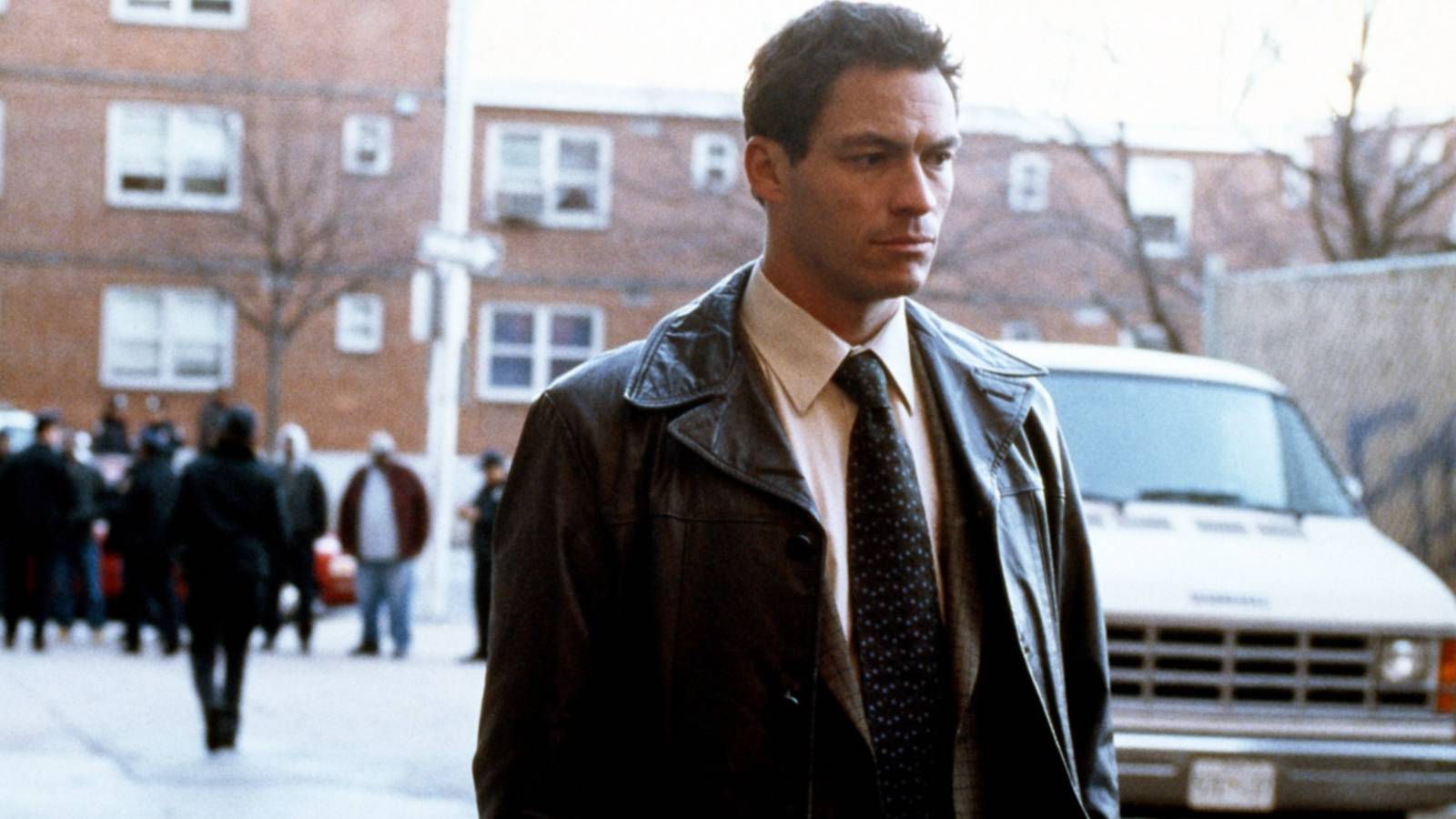
Published Nov 27, 2026, 9:00 AM EST Ben Sherlock is a Tomatometer-approved film and TV critic who runs the massively underrated YouTube channel I Got Touched at the Cinema. Before working at Screen Rant, Ben wrote for Game Rant, Taste of Cinema, Comic Book Resources, and BabbleTop. He's also an indie filmmaker, a standup comedian, and an alumnus of the School of Rock. Breaking Bad is widely considered to be the pinnacle of Peak TV, and it’s easy to see why. With its morally ambiguous antihero, inventive cinematography, and airtight serialized storytelling (save for a brief detour to deal with a housefly), Breaking Bad defined the Golden Age of Television. It became the benchmark against which Mad Men and The Americans and Ozark and Sons of Anarchy were all judged. But HBO remains in a league of its own. Their old slogan, “It’s not TV, it’s HBO,” doesn’t hold a lot of water — as Larry David pointed out on the airwaves of HBO itself in an episode of Curb Your Enthusiasm, “It’s not TV? It’s TV; what do they think people are watching?” — but that marketing motto does effectively capture what makes HBO different. HBO’s original programming has achieved a level of prestige that all the other networks and streamers can only dream of. AMC and FX and Netflix and Apple TV are all just playing for second place. Breaking Bad is one of the greatest TV shows ever made, and it always will be. But, from The Wire to Six Feet Under, HBO has made a handful of even greater shows. The Sopranos Some would argue that The Sopranos walked so Breaking Bad could run. The Sopranos had introduced the notion of an amoral antihero with Tony Soprano, but Breaking Bad introduced the notion of change. Tony was the same murderous mobster in the pilot episode that he was in the series finale, but we spent five seasons watching Walter White’s downfall from mild-mannered family man to cold-blooded drug lord. But, while The Sopranos may not have as tangible a character arc as Breaking Bad, it’s still arguably a better TV show. It’s subtler, stranger, more surreal, and it singlehandedly changed the face of television. The Sopranos didn’t just bring moral ambiguity to the small screen; it also brought cinematic visuals and a surprising sense of verisimilitude. The show’s directors threw standard coverage out the window in favor of more subjective shots (and more than a few mind-bending dream sequences). Breaking Bad has a very black-and-white view of morality: Walt is a good man who “breaks bad,” and may have been bad all along. But The Sopranos has a much more nuanced view of human morality, with a cast of complicated characters who all contain multitudes. Tony is a killer, but he’s also a loving dad, and he has a soft spot for animals. Carmela hates her husband for his constant affairs, but also can’t deny how much she loves him. Chernobyl Granted, it’s much easier for a show with five episodes to be perfect than it is for a show with 63 episodes. But even taking that into account, Chernobyl is one of the finest achievements in television history. Before chronicling the fictional apocalypse of The Last of Us games, Craig Mazin turned the real-life apocalyptic event of the Chernobyl nuclear disaster into a riveting TV drama. Chernobyl might be the scariest TV show ever made — scarier than any conventional horror show — because it captures the very real horrors of radiation poisoning and nuclear fallout. And, as chillingly atmospheric as it is, it’s about so much more than that. Chernobyl is an impassioned indictment of the government that tried to cover up the truth, and a love letter to the whistleblowers who risk their lives to expose those hard truths. Six Feet Under After capturing family dysfunctions with a pitch-black sense of humor on the big screen in American Beauty, Alan Ball brought those same themes to the small screen in Six Feet Under. Six Feet Under centers on the Fisher family following the unexpected demise of their patriarch. The survivors all come together to keep the family funeral business afloat, and end up reconnecting in the process. Six Feet Under is mired in mortality — each episode begins with the sudden death of the Fishers’ latest client — but the series as a whole is as much a celebration of the things that make life worth living as it is an existential examination of our inevitable doom. Breaking Bad had a great series finale, but Six Feet Under may have had the greatest series finale of all time. Band Of Brothers Steven Spielberg and Tom Hanks wielded their formidable clout to secure a blockbuster budget for their World War II miniseries Band of Brothers, and used that money to bring action and visuals that were thought to be exclusive to movies over to television. Every penny of Band of Brothers’ budget can be seen on the screen; it has all the visceral spectacle of a big-screen affair like Spielberg and Hanks’ own Saving Private Ryan, but with 10 episodes to really sink its teeth into the humanity on the battlefield. Over the course of 10 episodes, Band of Brothers gives us plenty of time to get to know these guys, and become endeared to them. We see the camaraderie grow between these soldiers in real time, on an episode-to-episode basis, and it brings a real emotional weight to the explosive battle scenes and lavish production values. Visually, Band of Brothers is one of the most cinematic TV shows ever made. But, emotionally, it’s one of the most poignant and harrowing on-screen depictions of warfare. Deadwood Deadwood is just as beautifully shot and brilliantly acted as Breaking Bad, but it has the added value of being a true story. Created and mostly written by David Milch, Deadwood is a painstaking retelling of the titular town’s evolution. In season 1, it’s just a muddy little camp where people are killing each other in the streets, but by season 3, it’s an incorporated territory with law and order, and democratic elections. The series is framed through the cat-and-mouse feud between psychotic pimp Al Swearengen and reluctant lawman Seth Bullock, and therein lies the key to Deadwood’s success. It’s an eye-opening look at American history, deromanticizing the TV western, but it’s not just a dry history lesson; it shows all this real-life history through the lives of well-rounded characters, and through stylized scenes of witty dialogue and bloody violence. The Wire The Wire isn’t just better than Breaking Bad; it might be the single greatest achievement in the history of television. There was a longstanding tradition of American cop shows before The Wire came along, but David Simon threw all the genre’s tired tropes and conventions out the window. He abandoned the case-of-the-week format and black-and-white good-versus-evil morality in favor of a much more realistic look at police procedures. Simon drew on his years of experience as a crime reporter in Baltimore to tell a fiercely authentic story about crooked cops bending the law, drug dealers thriving in a seller’s market, and a crack police unit slowly but surely building a case against a powerful kingpin over the course of several months. The first season of The Wire arrived as the most accurate police procedural ever made, but the subsequent seasons went a step further and started deconstructing America’s other broken institutions. Over the next four years, The Wire tackled the working class, the public school system, the unreliable news media, and the government as a whole. While Breaking Bad is a lot of pulpy fun, The Wire is a much more realistic portrayal of America’s criminal underworld, a much more substantial thematic exploration of crime and corruption, and a much more bracing and enlightening social commentary.
6 HBO Shows Better Than Breaking Bad
Full Article
Original Source
Read the full article at Screenrant →KhanList aggregates and links to publicly available news content. We do not host full articles from third-party sources. Always verify important information with original sources.