
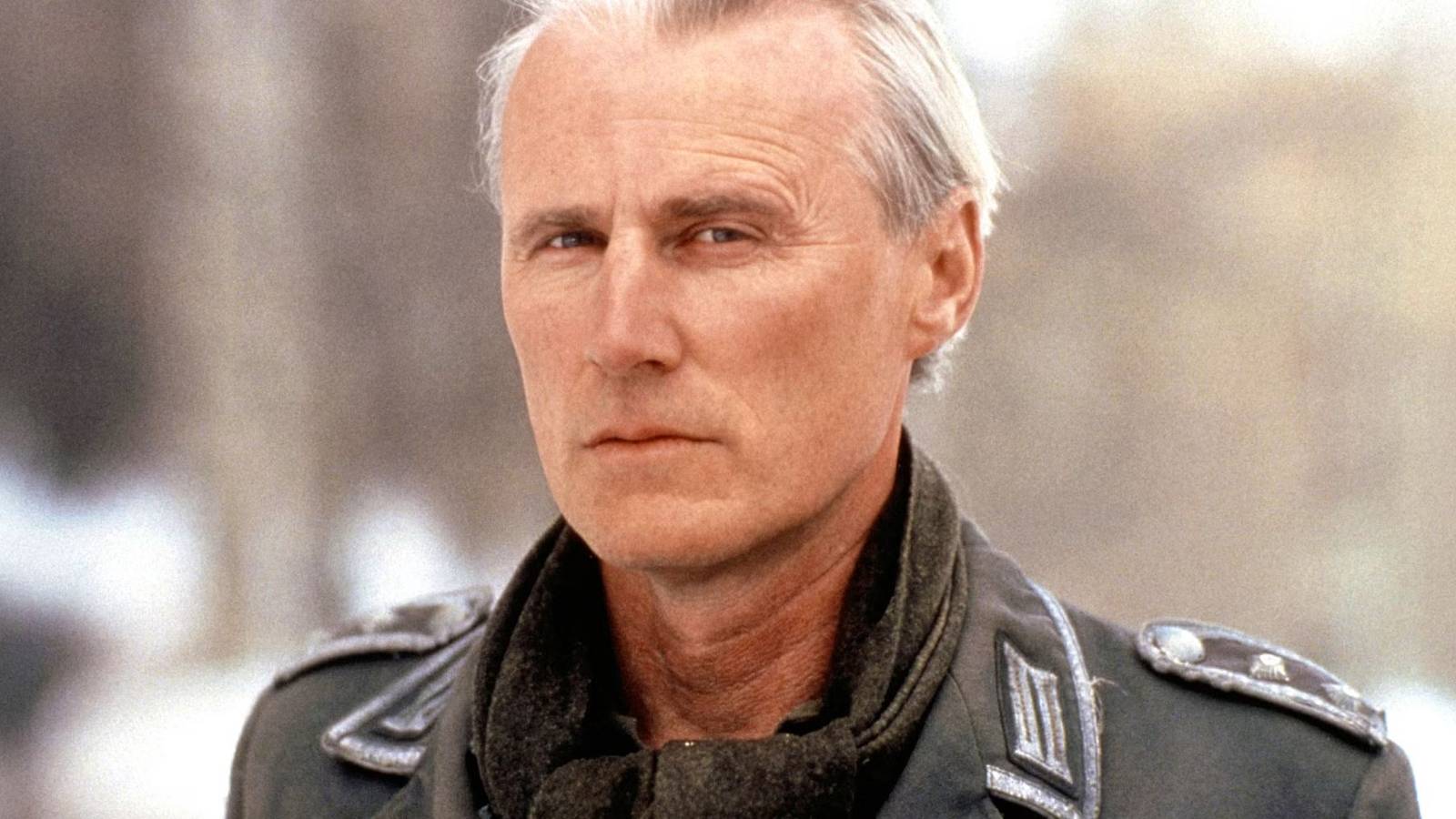
Image via InterStar Releasing Published Jul 24, 2026, 7:21 AM EDT Sign in to your Collider account War movies are often dominated by the biggest and most frequently discussed names in the genre. Movies including but not limited to Saving Private Ryan, Apocalypse Now, Platoon, and Full Metal Jacket tend to control most of the conversation, and for good reason. However, the downside is that while audiences keep returning to the established classics, a lot of brutal, intelligent, and emotionally devastating war films get pushed further into the background. Some of these movies were too bleak to become mainstream favorites, while others arrived at the wrong time or lacked the cultural afterlife of more famous war epics. Despite that, many of them delivered the same level of tension, character detail, and anti-war force that viewers praise in the better-known classics. For anyone looking beyond the obvious titles, here are six forgotten R-rated war movies that are amazing from start to finish. 6 'Go Tell the Spartans' (1978) Image via AVCO Embassy Pictures Go Tell the Spartans takes the last-stand war movie and poisons it with bitter hindsight. The story starts with Major Asa Barker (Burt Lancaster), who is a tired, passed-over officer sent to an abandoned French outpost in 1964 Vietnam alongside a crew of misfit advisors. Nobody wants to be there. They already feel like men thrown into a decision made by someone else. The location matters because the whole film traps itself around that broken dirt post, the jungle perimeter, and the graveyard left behind by 300 French soldiers who died trying to hold the exact same ground. They only left a rusted wooden sign: "Stranger, tell the Spartans we remain here, obedient to their laws." That inscription serves as the film’s ugliest punch of truth, a warning Barker understands long before the blind war machine ever will. Next to him, Corporal Courcey (Craig Wasson) still has enough youth to believe the mission might turn out to be rational. However, Barker knows better. His sagging posture and hollow eyes say everything. As the inevitable attack finally arrives and drags on, radio orders crackle in from comfortable superiors. Meanwhile, the trapped men barricade, bleed, and suffocate until their commanders finally abandon them. The movie is inherently furious because everyone on the ground can see the position is doomed. But, the system doesn't care. It just demands bodies. 5 'Hamburger Hill' (1987) Image via Paramount Pictures Hamburger Hill is one of the purest combat-grinder films ever made because it understands the physical insult of Hill 937. When the men of the 101st Airborne Division are ordered up that exact steep, fortified ridge, the movie forces the viewer to experience the same awful motion: climb, slip, get hit, drag someone back, go again. The movie follows Staff Sergeant Adam Frantz (Dylan McDermott), who is exhausted and is yet trying to keep young men alive inside orders that keep chewing them up. Among those lads, Private Washburn (Don Cheadle) and Doc Johnson (Courtney B. Vance) give the squad’s fear and freshness a face before the hill starts stripping both away. The mud is the star weapon here. It sucks boots down. It coats faces. It jams movement. And it mixes with blood until the soldiers look like the hill is absorbing them. While the ground swallows them from below, the elements and the enemy escalate the nightmare from above. Torrential rain makes rifles unreliable, hands tremble around weapons, NVA fire tears into the slope, and friendly helicopters add another layer of terror. There are no grand speeches here and no traditional triumphant charges; from start to finish, there is only agony measured by inches. . 4 '84 Charlie Mopic' (1989) Image via New Century Vista Film Company 84 Charlie Mopic has a gimmick that should have aged badly but instead, it feels more immediate than plenty of bigger Vietnam films. The plot kicks off when “MoPic”, the cameraman (Byron Thames), enters the jungle with a Long Range Reconnaissance Patrol to shoot training footage. The film commits entirely to what his lens can see. That choice traps the audience inside a sequence of raw panic. Dense foliage blocks geography, sudden gunfire erupts from nowhere, and constant dread waits behind every leaf. To navigate this hostile terrain, the unit relies on the cold, calculated discipline of Sergeant OD (Richard Brooks). He gives the patrol its hard professional edge, which makes the ultimate collapse feel that much more terrifying. Then, the NVA strikes. A wounded prisoner hinders their escape, but it is the unseen sniper who dominates the jungle. His presence turns every pause into a death trap, amplified by the film's raw technical choices. The jagged camera movement, the frantic attempts to locate fire through leaves, and MoPic’s ragged breathing on the audio track make the film instantly stressful. In this narrowed view, the camera misses the enemy and that is exactly why every second feels unsafe. Collider Exclusive · Oscar Best Picture Quiz Which Oscar Best PictureIs Your Perfect Movie? Parasite · Everything Everywhere · Oppenheimer · Birdman · No Country Five Oscar Best Picture winners. Five completely different visions of what cinema can be — and what it can do to you. One of them is the film that was made for the way your mind works. Ten questions will figure out which one. 🪜Parasite 🌀Everything Everywhere ☢️Oppenheimer 🐦Birdman 🪙No Country for Old Men FIND YOUR FILM → 01 What kind of film experience do you actually want? The best movies don't just entertain — they leave something behind. ASomething that pulls the rug out — that makes me think I'm watching one kind of film and then reveals I'm watching another entirely. BSomething overwhelming — funny, sad, absurd, and genuinely moving, all at once. CSomething grand and weighty — a film that makes me feel the full scale of what I'm watching. DSomething formally daring — a film that pushes what cinema can even do. ESomething lean and relentless — pure tension with no wasted frame. NEXT QUESTION → 02 Which idea grabs you most in a film? Great films are driven by a central obsession. What's yours? AClass, inequality, and what people are willing to do when desperation meets opportunity. BIdentity, family, and the chaos of trying to hold your life together when everything is falling apart. CGenius, moral responsibility, and the catastrophic weight of a decision you can never take back. DEgo, legacy, and the terror of becoming irrelevant while you're still alive to watch it happen. EEvil, chance, and whether moral order actually exists or if we just tell ourselves it does. NEXT QUESTION → 03 How do you like your story told? Form is content. The way a story is shaped changes what it means. AGenre-twisting — I want it to start in one lane and migrate into something completely different. BMaximalist and genre-blending — comedy, action, drama, sci-fi, all in one ride. CEpic and non-linear — cutting between timelines, building a mosaic of cause and consequence. DA single unbroken flow — I want to feel like I'm living it in real time, no cuts to safety. ESpare and precise — every scene doing exactly what it needs to do and nothing more. NEXT QUESTION → 04 What makes a truly great antagonist? The opposition defines the protagonist. What kind of opposition fascinates you? AA system — invisible, structural, and almost impossible to fight because it has no single face. BThe self — the ways we sabotage, abandon, and fail the people we love most. CHistory — the unstoppable momentum of events that no single person can stop or redirect. DThe industry — the machinery of culture that chews up talent and spits out irrelevance. EPure, implacable evil — a force so certain of itself it becomes almost philosophical. NEXT QUESTION → 05 What do you want from a film's ending? The final note is the one that lingers. What do you want it to sound like? AShock and inevitability — a conclusion that recontextualises everything that came before it. BEarned emotion — I want to cry, laugh, and feel genuinely hopeful, even if the world is a mess. CDevastation and grandeur — an ending that makes me sit in silence for a few minutes after. DAmbiguity — something that leaves enough open that I'm still thinking about it days later. EBleakness — an honest refusal to pretend the world is tidier than it actually is. NEXT QUESTION → 06 Which setting pulls you in most? Where a film takes place shapes everything — mood, stakes, what's even possible. AA gleaming modern city with a hidden underside — beauty masking rot, wealth masking desperation. BA collapsing suburban life that opens onto something infinite — the multiverse of a single ordinary person. CThe corridors of power and science at a world-historical turning point — where decisions echo for decades. DThe grimy, alive chaos of New York and Hollywood — fame as both destination and trap. EVast, indifferent landscape — desert and highway where violence arrives without warning or reason. NEXT QUESTION → 07 What cinematic craft impresses you most? Every great film has a signature — a technical or artistic element that makes it unmistakable. AProduction design and mise-en-scène — every frame composed to carry meaning beneath the surface. BEditing and tonal control — the ability to move between registers without losing the audience. CScore and sound design — music that becomes inseparable from the dread and awe of what you're watching. DCinematography as performance — the camera not recording events but participating in them. ESilence and restraint — what's left unsaid and unshown doing more work than any dialogue could. NEXT QUESTION → 08 What kind of main character do you root for? The protagonist is the lens. Who you choose to follow says something about you. ASomeone smart and resourceful who makes increasingly dangerous decisions under pressure. BSomeone overwhelmed and ordinary who turns out to be capable of something extraordinary. CA brilliant, tortured figure whose gifts and flaws are inseparable from each other. DA self-destructive artist whose ego is both their superpower and their undoing. EA quiet, principled person trying to make sense of a world that has stopped making sense. NEXT QUESTION → 09 How do you feel about a film that takes its time? Pace is a choice. Some films sprint; others let tension accumulate slowly, deliberately. AI love a slow build when I know the payoff is going to be seismic — patience for a devastating reveal. BGive me relentless momentum — I want to feel breathless and emotionally spent by the end. CEpic runtime doesn't scare me — if the material demands three hours, give me three hours. DI want it to feel propulsive even when nothing is technically happening — restless energy throughout. EDeliberate and unhurried — I want dread to accumulate in the spaces between the action. NEXT QUESTION → 10 What do you want to feel walking out of the cinema? The best films leave a mark. What kind of mark do you want? AUnsettled — like I've just seen something I can't fully explain but can't stop thinking about. BMoved and energised — like the film reminded me what actually matters and gave me something to hold onto. CHumbled — like I've been in the presence of something genuinely important and overwhelming. DExhilarated — like I've just seen cinema doing something it's never quite done before. EHaunted — like a cold, quiet dread that stays with me for days. REVEAL MY FILM → The Academy Has Decided Your Perfect Film Is…Your answers have pointed to one Oscar Best Picture winner above all others. This is the film that was made for the way your mind works. ParasiteYou are drawn to films that operate on multiple levels simultaneously — that begin in one genre and quietly, brilliantly migrate into another. Bong Joon-ho's Parasite is a film about class, desire, and the architecture of inequality that manages to be darkly funny, deeply suspenseful, and genuinely shocking across a single extraordinary running time. Your instinct is for cinema that hides its true intentions until the moment it's ready to reveal them. Parasite is exactly that — a film that rewards close attention and punishes assumptions, right up to its devastating final image. Everything Everywhere All at OnceYou want it all — and this film gives you all of it. The Daniels' Everything Everywhere All at Once is one of the most maximalist films ever made: action comedy, multiverse sci-fi, family drama, existential crisis, and a genuinely earned emotional core that sneaks up on you amid the chaos. You are someone who responds to ambition, who doesn't want cinema to choose between being entertaining and being meaningful. This film refuses that choice entirely. It is overwhelming by design, and its overwhelming nature is precisely the point — because the feeling of being crushed by infinite possibility is exactly what it's about. OppenheimerYou are drawn to cinema on a grand scale — films that understand history not as a backdrop but as a force, and that place their characters inside that force and watch what happens. Christopher Nolan's Oppenheimer is a film about the terrifying gap between what we can do and what we should do, told with the full weight of one of the most consequential moments in human history behind it. You want your films to feel important without feeling self-important — to earn their ambition through sheer craft and the gravity of their subject. Oppenheimer does exactly that. It is enormous, complicated, and refuses easy comfort. BirdmanYou are drawn to films that foreground their own construction — that make the how of the filmmaking part of the what it's about. Alejandro González Iñárritu's Birdman, shot to appear as a single continuous take, is cinema examining itself through the cracked mirror of a fading actor's ego. You respond to formal daring, to the feeling that a film is doing something that probably shouldn't be possible. Michael Keaton's performance and Emmanuel Lubezki's restless camera create something genuinely unlike anything else — a film that is simultaneously about creativity, relevance, self-destruction, and the impossibility of ever truly knowing if your work means anything at all. No Country for Old MenYou are drawn to cinema that trusts silence, that refuses to explain itself, and that treats dread as a form of meaning. The Coen Brothers' No Country for Old Men is a film about the arrival of a new kind of evil — implacable, arbitrary, and utterly indifferent to the moral frameworks we use to make sense of the world. It is one of the most formally controlled films ever made, and its controlled restraint is what makes it so terrifying. You want your films to haunt you, not comfort you. You are not interested in resolution if resolution would be dishonest. No Country for Old Men is honest in a way that most cinema never dares to be. ↻ RETAKE THE QUIZ 3 'Cross of Iron' (1977) Image via Embassy Pictures Cross of Iron is nasty in a way most war movies are too tidy to handle. The film centers on Sergeant Rolf Steiner (James Coburn), who fights on the German side of the Eastern Front, yet the film gives him zero heroic polish. Instead, he is exhausted, cynical, violent when he has to be, and completely disgusted by the class vanity above him. The embodiment of that elite arrogance is Captain Stransky (Maximilian Schell). He arrives with aristocratic pride and a craving for the Iron Cross, a medal that becomes the ugliest object in the movie because it represents status purchased with other men’s blood. Framed against this rivalry, the Eastern Front setting gives the film scale, but the deepest pressure remains personal and poisonous. Muddy trenches. Soviet attacks. German panic. And ruined command structures keep tightening around Steiner’s platoon. Stransky wants glory so badly that betrayal becomes logical to him. Consequently, after he abandons them behind enemy lines during a Soviet offensive, the squad must fight their way back through enemies, uniforms, and bad luck. Steiner finally snaps. He begins to laugh, a bitter, final sound. It is the only sane response to the madness, a brutal signature on a film that leaves blind patriotism looking completely diseased. 2 'A Midnight Clear' (1992) Image via InterStar Releasing A Midnight Clear hurts because its tragedy begins in quietness. The film is adapted from William Wharton’s semi-autobiographical novel, and its story draws directly from the author's own wartime trauma during the Battle of the Bulge. The narrative tracks Sergeant Will Knott (Ethan Hawke),Vance “Mother” Wilkins (Gary Sinise) and Stan Shutzer (Arye Gross), who are part of an American intelligence squad sent to a snowy French chateau near the end of World War II. These are brilliant but green young men placed in an isolated pocket of the Ardennes, surrounded by cold woods, empty rooms, strange sounds, and ghostly silences. Suddenly, the Germans nearby appear to want surrender, and the film becomes tense in a completely unusual way. The famous snowball fight between armed enemies is surreal because everyone involved knows the peace is fragile. In fact, nobody has escaped the war. They are only pretending for a few minutes that human behavior can outrun military reality. When the staged truce collapses through panicked whispers and sudden gunfire, the silence of the woods shatters with sickening force. No speeches can fix it. No logic can save them. Just an unbearable accident, and a haunting anti-war fable written in the snow. 1 'The Beast' (1988) Image via Columbia Pictures The Beast’s setup is brutally simple, yet it constantly finds new ways to tighten. However, despite its brilliance, it became a tragic casualty of Hollywood politics when an executive shakeup at Columbia Pictures led the studio to abandon it, leaving it to gross a paltry $161,000 in a practically non-existent theatrical release. The story follows Commander Daskal (George Dzundza), who leads a Soviet tank crew through Afghanistan in 1981 after destroying a Pashtun village, and the film makes no attempt to soften the occupying force. The T-55 tank becomes the whole world with its roaring treads, cramped metal, sweat, dirt, heat, bad air, and mutinous glances. Amidst this madness, Konstantin Koverchenko (Jason Patric) is the voice of reason inside a machine driven by Daskal’s cruelty. Once Daskal murders a crewman and abandons Koverchenko in the desert, the movie pivots into a savage survival chase. Now allied with the Afghan fighters, the driver hunts his former crew until the valley becomes a graveyard. This chase is gripping throughout because every beat stays practical. Instead of Hollywood flash, the film thrives on small details. A tank grinding through rock, men overheating inside steel, mujahideen tracking it through terrain they understand far better. Simply put, this is one of the rawest, most relentless war thrillers ever made.
6 Forgotten R-Rated War Movies That Are Amazing From Start to Finish
Full Article
Original Source
Read the full article at Collider →KhanList aggregates and links to publicly available news content. We do not host full articles from third-party sources. Always verify important information with original sources.