
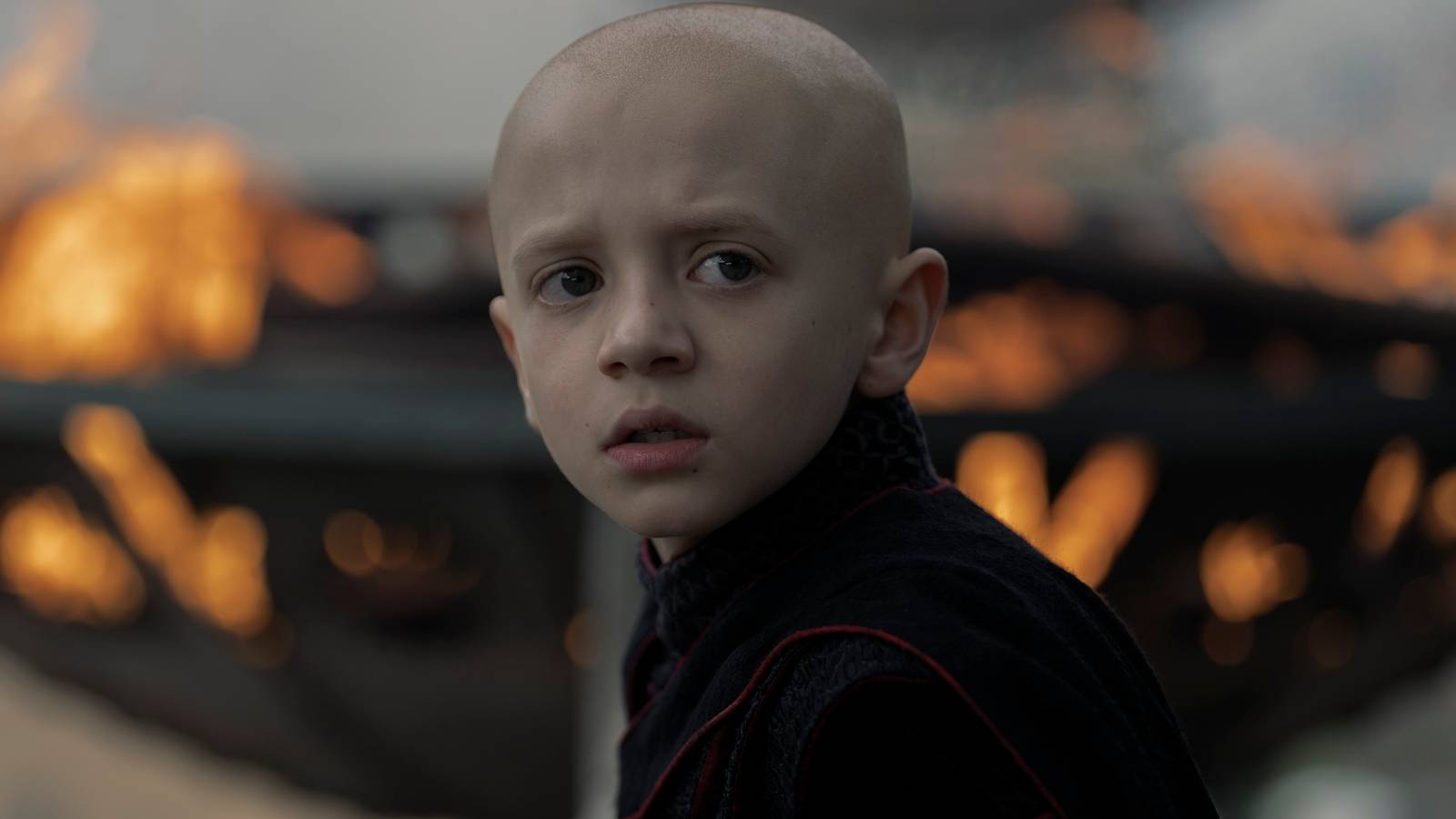
Published Nov 17, 2026, 9:00 AM EST Ben Sherlock is a Tomatometer-approved film and TV critic who runs the massively underrated YouTube channel I Got Touched at the Cinema. Before working at Screen Rant, Ben wrote for Game Rant, Taste of Cinema, Comic Book Resources, and BabbleTop. He's also an indie filmmaker, a standup comedian, and an alumnus of the School of Rock. Throughout the 2010s, Game of Thrones revitalized the fantasy genre, and converted a lot of casual fans. As Ben Wyatt pointed out in Parks and Recreation, Game of Thrones was a crossover hit. It didn’t just appeal to the relatively small niche of medieval fantasy enthusiasts; it broke through to the mainstream and caught the attention of regular people, because it told grounded, relatable, human stories of loss and betrayal and powermongering in the high-fantasy setting of Westeros. It’s a world full of magic and dragons and an army of the undead, but the characters are all real people, dealing with real problems. In its last couple of seasons, when the writers ran out of books to adapt, Game of Thrones fell off a cliff. It culminated in one of the most bitterly disappointing endings in the history of television; so disappointing that it soured the reputation of the entire show. But the success of Game of Thrones still led to a wave of great fantasy shows, from The Legend of Vox Machina to Disney’s readaptation of the Percy Jackson books to GoT’s own spinoffs, House of the Dragon and A Knight of the Seven Kingdoms. House Of The Dragon The success of Game of Thrones has inspired many imitators, including its own spinoff. Based on the George R.R. Martin book Fire and Blood, House of the Dragon goes back 200 years to the Targaryen family’s heyday, and explores the petty feuding and infighting that would eventually lead to their epic downfall. Although it focuses on just one family, House of the Dragon has set out to recreate the sprawling scale and blockbuster spectacle of Game of Thrones. The first season was jam-packed with time jumps, racing through the almost Shakespearean saga of House Targaryen, and while the second and third seasons have had a lot less forward momentum, the cast of Emma D’Arcy, Olivia Cooke, Matt Smith, et al have kept it one of the most compelling fantasy shows on TV. Wednesday After turning Clark Kent’s childhood into a hit teen drama in Smallville, Alfred Gough and Miles Millar turned Wednesday Addams’ childhood into a hit teen drama for Netflix. Wednesday opens with the title character feeding her brother’s bullies to bloodthirsty piranhas, getting kicked out of regular school, and being forced to attend a Hogwarts-style school for kids with supernatural abilities called Nevermore Academy. Wednesday essentially gave Netflix its next Stranger Things: a blend of relatable coming-of-age drama and far-fetched genre fantasy. Jenna Ortega gave a star-making turn in the titular role. Christina Ricci (who pops up here in a scene-stealing supporting role) had defined Wednesday Addams for a generation in the ‘90s, but Ortega reinvented the character for yet another generation. She has the same dry, droll, deadpan demeanor that made Ricci’s Wednesday so much fun, but she brings a wry, jaded Gen Z cynicism; the kind of desensitized, battle-hardened grit that comes from growing up with the internet. The Legend Of Vox Machina Based on the first campaign from the Dungeons & Dragons web series Critical Role, The Legend of Vox Machina is an animated epic combining fantasy, action, adventure, comedy, and good old-fashioned drama. It’s been going for four solid seasons, and it’s been renewed for a fifth and final outing to conclude this riveting D&D saga. A massive ensemble of legendary voice actors like Ashley Johnson and Laura Bailey and gamemaster Matthew Mercer (the creator of the world of Exandria) bring to life such wild, disparate characters as a half-elf ranger, a gnome cleric, a pet grizzly bear, and a goliath barbarian. The Legend of Vox Machina is a testament to the spirit of storytelling; a bunch of actors came together and created a D&D campaign as the ultimate exercise in improvisation, then a crack team of directors and artists and animators came together to turn that campaign into a prestige TV drama, one chapter at a time. Percy Jackson And The Olympians The first time the Percy Jackson books were adapted for the screen, it ended up being a shallow Greek-themed knockoff of the Harry Potter movies. But Disney’s TV series, adapting a book a season, has proven to be a much more satisfying interpretation. The movies were just focused on getting from one bankable set-piece to the next, but the TV show has enough room to breathe for the characters’ personalities to shine. The best-case scenario for HBO’s forthcoming Harry Potter series is that it turn out something like Disney’s Percy Jackson series. This novel-per-season approach has worked wonders for Reacher and Slow Horses, and Percy Jackson has used its extra runtime to include all the little nuances that usually get ironed out when a novel is adapted into a feature film. Avatar: Seven Havens Paramount’s new Avatar: The Last Airbender sequel does what all spinoffs should do: it expands the worldbuilding and mythology that fans of the franchise love so much, but it breaks away from everything we know to tell a bold new story. Avatar: Seven Havens takes place in a post-apocalyptic future where the entire world outside the titular seven settlements has been ravaged by “The Cataclysm,” and the Avatar is no longer a beacon of hope; they’re a harbinger of death. While it takes place in a very different time, and tells a very different story, Seven Havens stays true to the spirit of The Last Airbender. The original Avatar series masterfully allegorized relatable coming-of-age foibles through mythic fantasy tales, and Seven Havens does the same thing through the fraught relationship between estranged twins and dual Avatars, Pavi and Nisha. Seven Havens completely reinvents the world of Avatar, it rewrites the rules of the mythology, and it switches from a classical hero’s journey to a post-apocalyptic mystery. But above all, just like its predecessor, it’s an emotional experience. It’s a heartbreaking tale of loneliness, betrayal, and two sisters trying to overcome adversity to achieve their shared destiny. A Knight Of The Seven Kingdoms Game of Thrones’ second spinoff, A Knight of the Seven Kingdoms, takes place in the Game of Thrones universe, but it barely has any fantasy elements. It’s a lot better-paced and more consistent and emotionally engaging than House of the Dragon, and it might even be a better show than the flagship series itself. A Knight of the Seven Kingdoms is a refreshingly small-scale, low-stakes, intimate, character-driven story. Whereas Game of Thrones and House of the Dragon are both huge, sprawling epics about armies warring over claims to a crown, A Knight of the Seven Kingdoms is essentially a buddy comedy about two main characters: a lowly hedge knight and his cheeky squire. Peter Claffey and Dexter Sol Ansell share pitch-perfect on-screen chemistry as Dunk and Egg, and showrunner Ira Parker deftly translated George R.R. Martin’s most wholesome tale from the page to the screen, with the pacing and emotions intact. We’re only one season into A Knight of the Seven Kingdoms, so it remains to be seen whether it can maintain that level of greatness, but it’s gotten off to a very strong start. There are plenty of laughs and plenty of brutal, bloody action scenes, but you stick around for the heartwarming big brother/little brother dynamic that blossoms between these two fledgling warriors. Game of Thrones might be a lot bigger, but A Knight of the Seven Kingdoms hits a little deeper, and it’s surprisingly sweet and wholesome.
6 Best Fantasy Shows That Premiered After Game Of Thrones Ended
Full Article
Original Source
Read the full article at Screenrant →KhanList aggregates and links to publicly available news content. We do not host full articles from third-party sources. Always verify important information with original sources.