
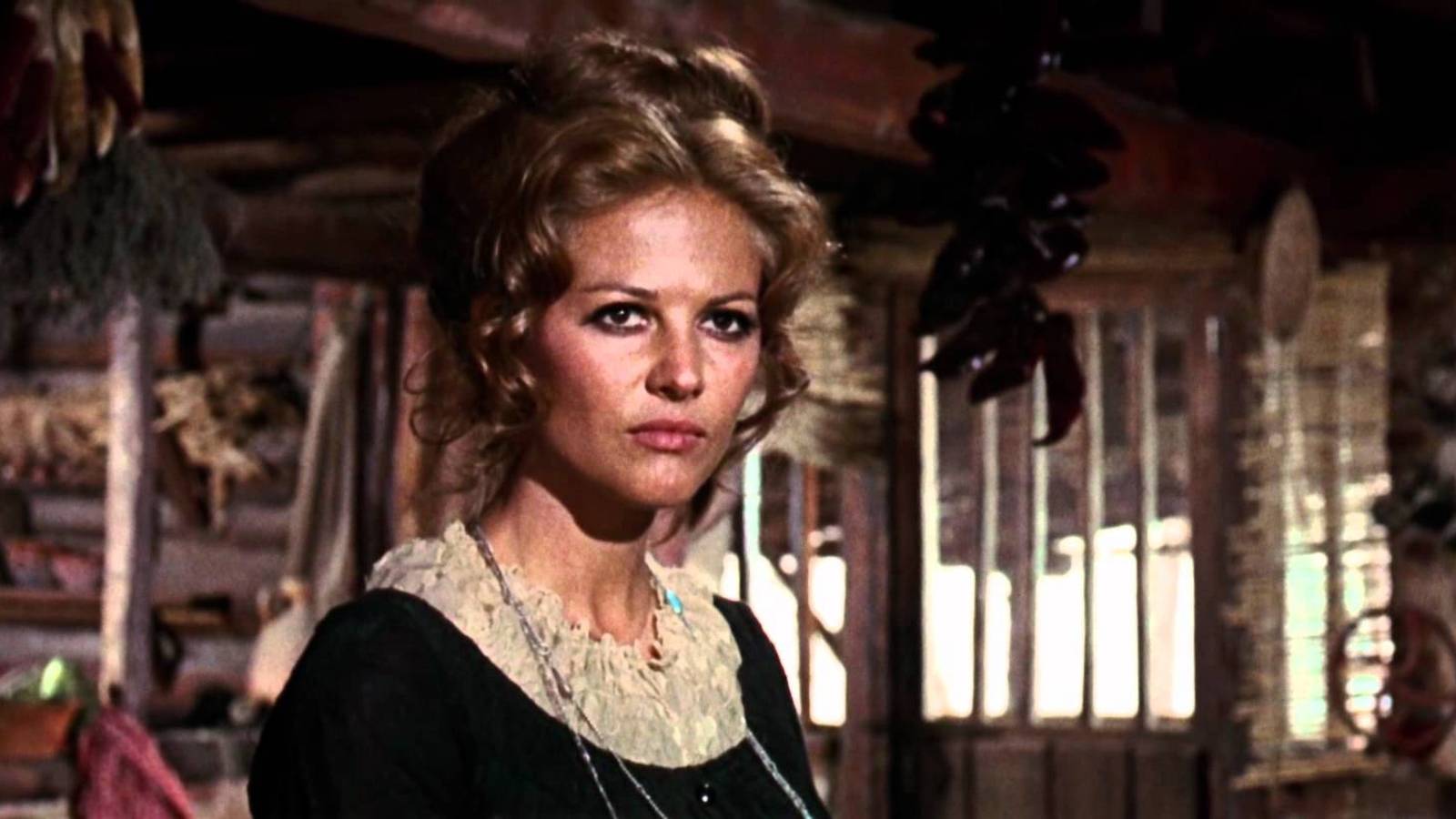
Published Oct 16, 2026, 7:07 AM EDT Anthony Crislip has always loved movies and television, and has been published in outlets such as SlashFilm and Ultimate Classic Rock. While working as a film programmer or judge at a film festival, he has striven to develop interest in underseen films. He is a particular fan of digging deep into forgotten corners of film history. Few directors have mastered the art of the opening scene like Sergio Leone, the filmmaker behind the classic “Dollars” trilogy. While A Fistful of Dollars’ opening sequence of a stranger in a divided village largely borrowed from Akira Kurosawa’s Yojimbo, of which it was an unauthorized remake, the films that followed upped the ante considerably. For a Few Dollars More and The Good, the Bad, and the Ugly (the director’s final outing with Clint Eastwood) gave viewers richly atmospheric openings with title cards and minimal dialogue, brief episodes in the characters’ violent lives that suggested the movie they were about to be in. But his greatest opening sequence and film came afterwards, with 1968’s Once Upon a Time in the West. Once Upon a Time in the West is a brutal, desert-bound Western filled with dangerous characters, a three-hour-long opus that Leone’s career in the genre had been leading up to. The director had achieved a kind of “pure cinema” by this point in his career, devising new ways of telling stories with an incredible sense of style, and the movie’s largely dialogue-free opening drops viewers immediately into the world of the film. Three gunslingers arrive at a train station, lock away its operator, and wait. Leone alternates between extreme close-ups and desolate wide shots, with none of Ennio Morricone’s iconic music on the soundtrack, just the noise and creaky silence of the station. Eventually, they stop waiting as a man named Harmonica (Charles Bronson) arrives. 'Once Upon a Time' Adapts and Subverts Western Cliches Image via Paramount Pictures Leone’s films embodied the spaghetti Western philosophy of taking the tropes, cliches, and icons of the classic Hollywood Western and blowing them up to operatic scale. While he had been hoping to move away from the genre to make what would eventually become 1984’s crime epic Once Upon a Time in America, this movie and 1971’s Duck, You Sucker! were necessary stepping stones to getting there. But if he had fallen out of love with the genre, there’s no telling from Once Upon a Time in the West, which has some of the most inventive and beautiful filmmaking of his career. With major film artists like Bernardo Bertolucci and Dario Argento assisting Leone on the film’s story, it became his greatest Western achievement, a movie where the look on a character’s face is more poignant than anything they can say. However, plenty of lines are still really memorable, and just the right side of cheesy. Just about every Western archetype emerges out of the world of Once Upon a Time, whether they're found in the gunslingers in the opening scene or in Claudia Cardinale’s performance as Jill McBain, the former prostitute who arrives at the ranch of her new husband to learn he’s been murdered. The story of Frank (Henry Fonda) taking out her husband to clear the way for a new railroad is a classic tale, too, but Leone finds new dimensions of cruelty in the character. Fonda was famously well-known for good guy performances in Westerns like The Ox-Bow Incident or My Darling Clementine, in which he played an oddly zen Wyatt Earp. His performance as Frank, in which his grin and piercing gaze turn horrific, speaks to the violence Leone wished to inject into the classic Western. The Gunslingers of 'Once Upon a Time' Were Famous Western Faces While the arrival of Harmonica at the train station sets up the story, as he eventually becomes the only person who can combat the villainous Frank, the scene does an even better job of creating the movie’s atmosphere. The gunslingers who wait for Harmonica are all played by actors with a unique relationship to the Old West. Jack Elam, with a distinctive misaligned eye that Leone shoots in his usual extreme close-up style, was a Western standby, in movies like High Noon and Rancho Notorious, Fritz Lang’s proto-spaghetti Western. Al Mulock was a classic case of an actor moving to Europe for work in spaghetti Westerns. And Woody Strode, who was a major collaborator of Western legend John Ford in movies like Sergeant Rutledge and The Man Who Shot Liberty Valance, rounds up the trio. By throwing these familiar faces into the train station, Leone gives viewers a certain expectation of what they will see. Harmonica’s arrival, some ten minutes into watching these characters wait around, sweating and swatting flies, might mean the end for these men. Given their familiarity as Western heavies, their unceremonious dispatching by Harmonica is essentially revealing that this character is uniquely qualified. But the buildup to the actual moment of gunplay, after so many moments of waiting around, and so many suggestions of violence, is incredible. The opening scene is the most haunting and suspenseful of its kind.
58 Years Later, This 15-Minute Opener Is Still Better Than Every Western Since
Full Article
Original Source
Read the full article at Collider →KhanList aggregates and links to publicly available news content. We do not host full articles from third-party sources. Always verify important information with original sources.