
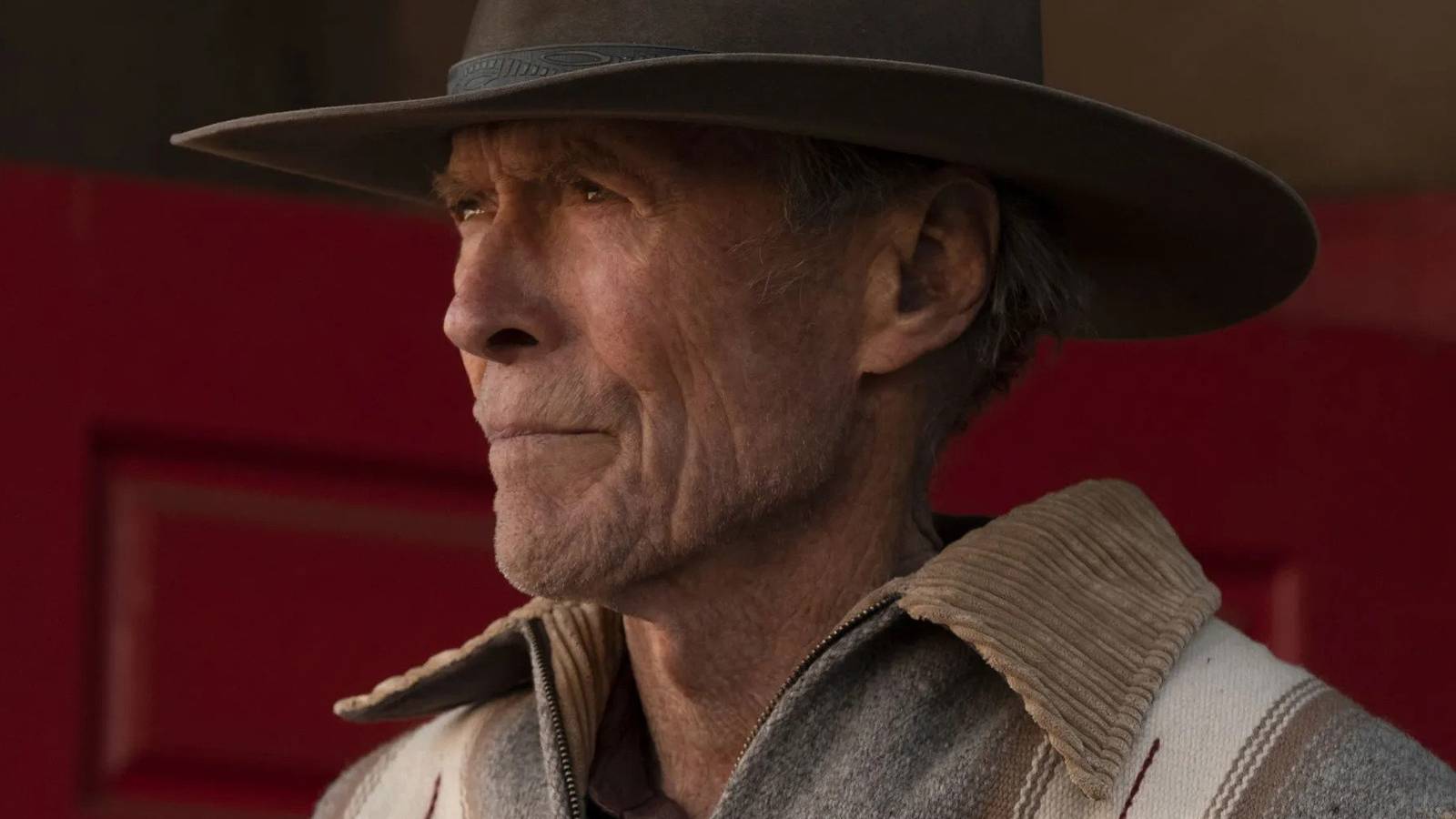
Published Nov 19, 2026, 12:34 AM EST Thomas Butt is a senior writer. An avid film connoisseur, Thomas actively logs his film consumption on Letterboxd and vows to connect with many more cinephiles through the platform. He is immensely passionate about the work of Martin Scorsese, John Ford, and Albert Brooks. His work can be read on Collider and Taste of Cinema. He also writes for his own blog, The Empty Theater, on Substack. He is also a big fan of courtroom dramas and DVD commentary tracks. For Thomas, movie theaters are a second home. A native of Wakefield, MA, he is often found scrolling through the scheduled programming on Turner Classic Movies and making more room for his physical media collection. Thomas habitually increases his watchlist and jumps down a YouTube rabbit hole of archived interviews with directors and actors. He is inspired to write about film to uphold the medium's artistic value and to express his undying love for the art form. Thomas looks to cinema as an outlet to better understand the world, human emotions, and himself. When Clint Eastwood directed and starred in Unforgiven in 1992, his grand opus about aging and reflecting on a lifetime's worth of moral reckoning felt like the perfect capstone to an iconic career. The Academy Awards embraced this coronation of a legend by giving the film Best Picture and Eastwood Best Director. Eastwood, the ultimate workhorse that he was for seven decades in Hollywood, responded by continuing to direct and star in movies for the next 30 years. At long last, Eastwood has finally settled on a true swan song in 2021, Cry Macho, which will most likely be his final screen performance after reports of his retirement. While Eastwood would go on to direct one more movie in 2024, Juror #2, Cry Macho has the greater distinction of being a proper send-off, as the film, now one of the most-streamed on Netflix, wrestles with the star's history in the Western genre and as a fixture of American iconography. 'Cry Macho' is a Deeply Unconventional Western Custom Image by Zanda Rice Cry Macho, released during the fateful period for Warner Bros. when movies were simultaneously released to theaters and HBO Max, feels tailor-made to be a Clint Eastwood project. However, the project, based on a screenplay and novel by N. Richard Nash, circulated in Hollywood and languished in development hell for decades before Eastwood took the mantle as the definitive aging cowboy, ruminating on his past sins in life. At various points, both Robert Mitchum and Arnold Schwarzenegger were attached, until Eastwood, who initially believed he was too old for the part, hit his late 80s and put his name on the film as an actor and director. Similar to Unforgiven's William Munny, Million Dollar Baby's Frankie Dunn, and Gran Torino's Walt Kowalski, Eastwood's Mike Milo, once a prized Texas rodeo cowboy, is facing the end of life and feels out of place in the modern world. His former boss hires the retired star to travel to Mexico to reunite the ranch owner with his 15-year-old son. Despite what the poster and title indicate, Cry Macho is not some badass revenge neo-Western that Eastwood frequently churned out in the '70s and '80s, but rather a meditative, methodical, and unorthodox story of generational gaps and ailing masculinity. Upon its release, the film was not met with overwhelmingly positive reviews, which is to be expected from something that lacks the dramatic tension that Eastwood has provided audiences for decades. Considering that this film, which defied modern commercial sensibilities, snuck through Warner Bros. during a period of mass corporate takeover at the studio, Cry Macho is Eastwood's fitting career send-off, as he's spent his career subverting his image and rejecting trends. While the film's languid pacing, stilted acting, and rickety plot that's held together by proverbial duct tape are indicative of the actor-director's quick and efficient filmmaking style, it has a relaxed, shambolic flow that treats the story as a soulful trip down memory lane, apt for both Eastwood and Milo. Age is Just a Number for Clint Eastwood in 'Cry Macho' For a while, it seemed like Clint Eastwood would never retire. As he kept directing hits like American Sniper, Sully, and The Mule (which he also starred in), Eastwood defied the human condition by working at a high level in his 80s. For better or worse, Cry Macho is certainly evocative of work by a nonagenarian director, which is both a criticism and an unabashed compliment. Famous for his expeditious approach to directing, working ahead of schedule by only shooting one or two takes of a scene, you can sense that breezy feeling in many sequences of Cry Macho and the line readings of its various non-professional actors. In the same breath, Eastwood is lacking any self-consciousness behind the camera, relying on the natural beauty of the Texas-Mexico border and the bonding of two people on opposite ends of the spectrum of life to carry the thematic weight and drama. The film's most exceptional asset, worth the price of admission alone, is Clint Eastwood's performance as Mike Milo, which anchors the entire narrative. Similar to his assured direction, his on-screen work is equally devoid of any vanity, as he wholly embraces his 90-year-old self and uses the wear and tear of his life to imbue the film with pathos. Still, even with his slow gait and shriveled physique, Eastwood exudes unmistakable movie star energy, which makes Milo's flirtations with women half his age and elusiveness from perilous situations believable. Clint's impeccable gaze and the impish smile that defined his Western outlaws and rouge cop characters are at their most distilled in Cry Macho, a movie that time will be kind to, as it embodies Eastwood beautifully. Cry Macho Release Date September 17, 2021 Runtime 104 minutes
5 Years Later, Clint Eastwood’s Final Movie Is Officially a Netflix Hit
Full Article
Original Source
Read the full article at Collider →KhanList aggregates and links to publicly available news content. We do not host full articles from third-party sources. Always verify important information with original sources.