
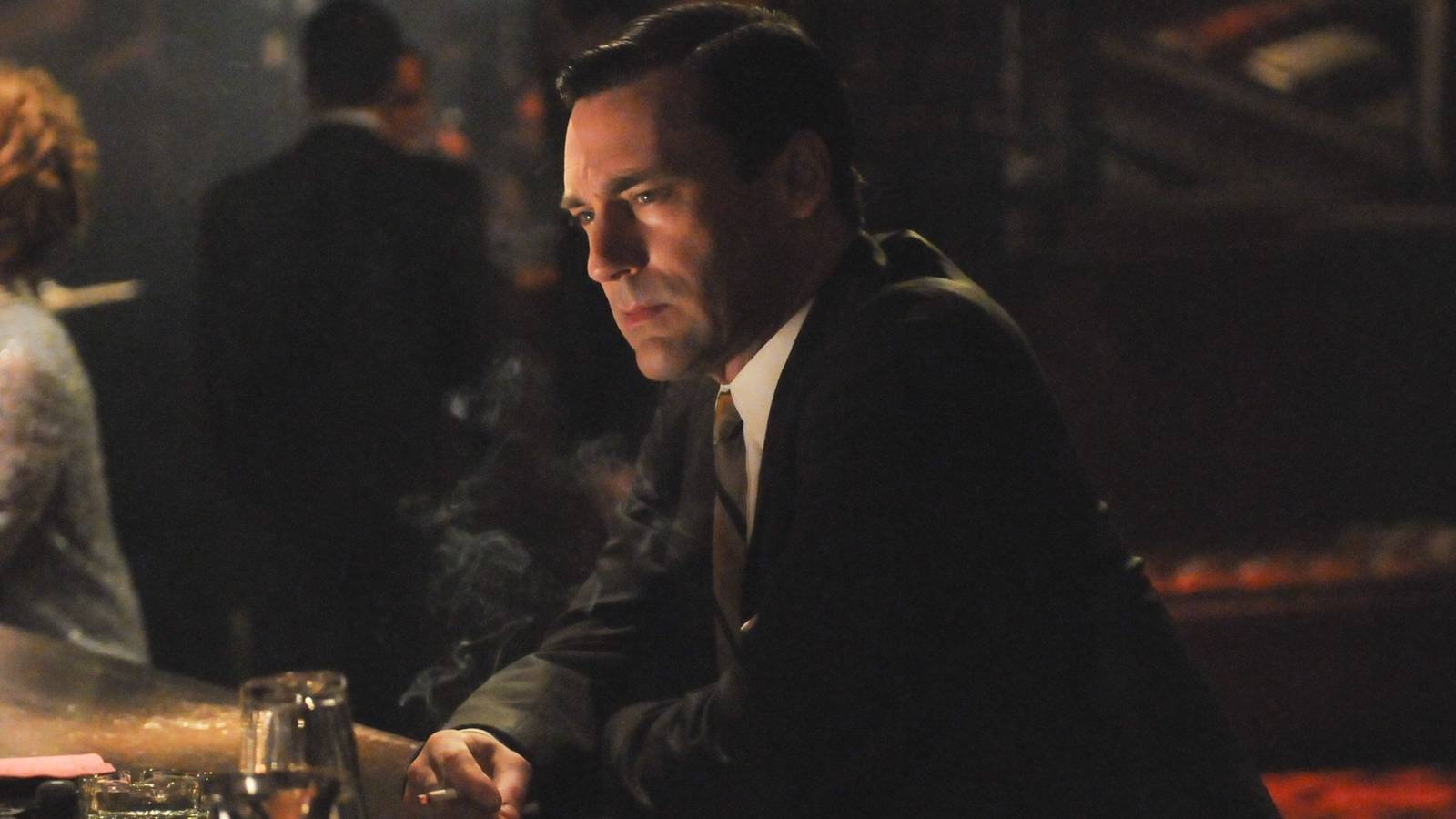
Published Nov 8, 2026, 7:00 PM EST Ben Sherlock is a Tomatometer-approved film and TV critic who runs the massively underrated YouTube channel I Got Touched at the Cinema. Before working at Screen Rant, Ben wrote for Game Rant, Taste of Cinema, Comic Book Resources, and BabbleTop. He's also an indie filmmaker, a standup comedian, and an alumnus of the School of Rock. Walter White is often named as the greatest TV character ever created, and while you could argue that comedic characters like Homer Simpson and George Costanza and Lucy Ricardo deserve their moment in the sun, Walt is almost certainly crowned the greatest dramatic protagonist on television. Walt radically revolutionized what a TV character could be. Before Breaking Bad came along, TV shows were beholden to a repeatable status quo, so the characters were the same week in, week out. Tony Soprano blazed the trail for antiheroes on television, but even he was the same person at the beginning of the series as he was at the end of it. Vince Gilligan realized the untapped potential of this long-form storytelling medium, and used a 62-episode television drama to chart one character’s gradual change. He set out to turn Mr. Chips into Scarface, and spent 62 hours transforming a seemingly sweet, mild-mannered chemistry teacher into a ruthless, murderous crime lord. Bryan Cranston was already sitcom royalty before he was cast in Breaking Bad, but his performance as the infamous Heisenberg revealed all kinds of depth and range that we never saw in Malcolm in the Middle. Walter White will always have his place in TV history, but there are a small handful of even more compelling characters from the small screen. Don Draper kept viewers hooked for seven seasons of Mad Men without being able to rely on grisly scenes of street crime like Breaking Bad could. The Sopranos remains a much more complex examination of human morality than Breaking Bad, and Buffy Summers was an even greater subversion of archetypes than “Mr. Chips becomes Scarface.” Don Draper Mad Men Whereas fellow Golden Age TV antiheroes like Walt and Tony Soprano could gun people down in the street to hold their audience’s attention, Mad Men had to keep its audience interested in an ad executive who spends his days drinking, smoking, and cheating on his wife in an office on Madison Avenue. But Jon Hamm’s performance is so layered, and the writing behind the character is so complex and jam-packed with subtext, that Don could keep viewers on the edge of their seats just by sitting at his desk and staring off into space. When Don is being photographed in his office, the photographer gives him a seemingly harmless and innocuous direction: “Just be yourself.” But that simple command sends Don into an existential tailspin, because he doesn’t know who he is anymore. He’s living a stolen life, running from a traumatic childhood, wearing many different faces in his personal and professional lives. He finds the lighter in his pocket from the young soldier who reminded him of his past self, and that little visual totem was all Mad Men needed to thrill its audience as much as The Sopranos or Breaking Bad could with a mob hit or a drug deal gone awry. Rust Cohle True Detective Via MovieStillsDB While the subsequent seasons have dragged down the brand as a whole, the first season of True Detective remains a 21st-century TV masterpiece on par with Breaking Bad or Mad Men or The Wire, and it’s largely thanks to its breakout character. Woody Harrelson provided a solid dramatic anchor as Marty Hart, but it was his partner Rust Cohle who stole the show. True Detective fans could watch Matthew McConaughey stare out the passenger window of a moving car and wax philosophical about mortality and human nature for hours on end. Whereas we saw the world through Walt’s eyes in Breaking Bad, True Detective created an air of mystery around Rust. It kept us intrigued by keeping us at arm’s length. We mostly saw the world through Marty’s eyes, and saw Rust through his eyes. Each revelation about Rust’s tragic backstory — the reason he drinks — was more heartbreaking than the last. Buffy Summers Buffy The Vampire Slayer Breaking Bad may have turned Mr. Chips into Scarface, but Buffy the Vampire Slayer turned the beautiful blonde cheerleader who usually gets killed first in a horror movie into the badass Van Helsing-style monster hunter who saves the day. And through it all, Sarah Michelle Gellar brought a relatable humanity and vulnerability to the character. Buffy Summers was conceived as one horror archetype stacked on top of another horror archetype, but Gellar turned her into a real human being. In Buffy’s first season, the writers were more interested in paying homage to all their favorite B-movies than servicing the emotions of their characters. But from season 2 on, when it became clear that viewers were more attracted to the humans than the monsters, they started focusing on those human beings and their relationships, and Buffy became one of TV’s all-time greatest protagonists. Tony Soprano The Sopranos Walter White would not exist without Tony Soprano. Tony opened up the possibilities of what a TV protagonist could be. Before Tony came along, TV writers made all their protagonists likable and good-natured, but David Chase dared to wonder whether audiences would continue tuning in if they saw the “good guy” strangle a man to death in episode 5. One could argue that Walt surpassed Tony in the antihero race, and that Tony walked so that Walt could run. Tony is the exact same character from the pilot episode to the series finale — he’s the exact same juxtaposition of murderous mob boss and loving family man from season 1 to season 6 — but Walt transformed throughout the series. He was a sweet, mild-mannered, seemingly good-hearted family man in season 1, but he’d become a vicious killer and drug lord who’d turned his own family against him by season 5B. So, yes, Walt technically has a more transformative character arc than Tony. But I’d argue that Tony is still the better character. Walt’s morality (or lack thereof) sometimes feels a bit oversimplified, but Tony is a man of contradictions. He’ll go from gently brushing a horse’s mane to beating a man to death; he lies to everyone, including himself. Jimmy McGill Better Call Saul Spinoffs are usually a recipe for disaster, especially when they spin off something that already had a perfect ending, but Better Call Saul not only justified its own existence as a vital chapter of the overall saga; it may have even surpassed the flagship show. Saul Goodman was just the comic relief in Breaking Bad, but when Better Call Saul took a look at the man behind the mask, he turned out to be an even more broken and complicated human being than his most infamous client. By the time we met him in Breaking Bad, Jimmy McGill had fully embraced his Saul Goodman clown persona. But when we went back to explore his backstory in Better Call Saul, we saw that Jimmy was once a wayward young attorney eager to forge a legitimate law career. But due to his ne’er-do-well past, he was constantly overlooked and underestimated by the people who could give him a second chance, until he eventually gave up trying to do the right thing and became what Jesse Pinkman would describe as a *criminal* lawyer. After turning one comedy icon into a dramatic superstar with Bryan Cranston in Breaking Bad, Vince Gilligan did the same with Bob Odenkirk in Better Call Saul. Odenkirk turned out to have dramatic chops to rival his comedic chops. The fact that not only Odenkirk, but Better Call Saul itself never won an Emmy is a crime against humanity.
5 TV Protagonists Better Than Walter White
Full Article
Original Source
Read the full article at Screenrant →KhanList aggregates and links to publicly available news content. We do not host full articles from third-party sources. Always verify important information with original sources.