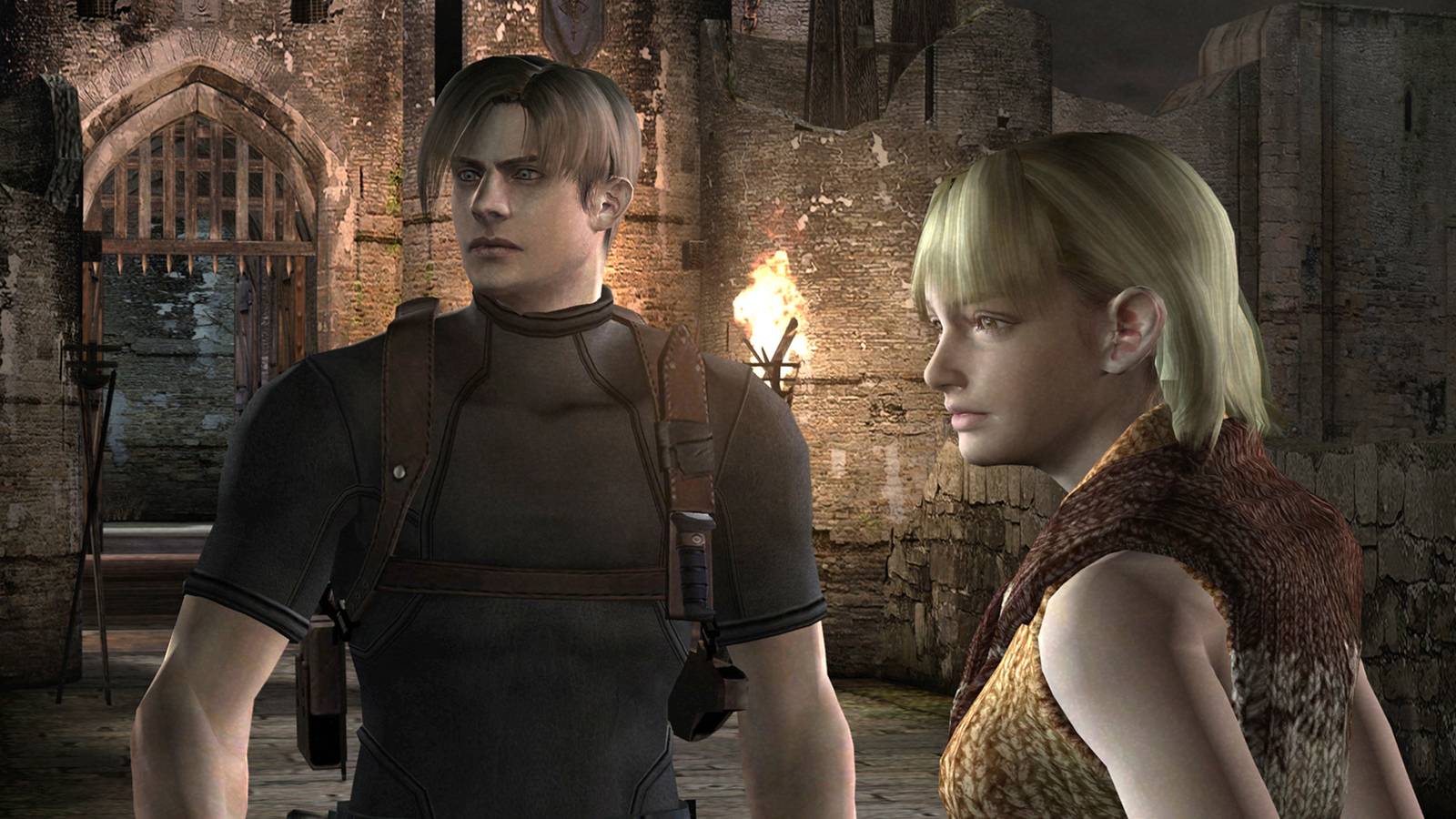
Published Jul 22, 2026, 11:00 PM EDT Ben Brosofsky has been writing for Screen Rant since 2022 and editing since 2024. He graduated from Vanderbilt University with a Bachelor's in Cinema & Media Arts. Writing serves as a much-needed distraction from tackling a backlog of Steam games that will never be surmounted. The Nintendo GameCube never received as many games as the PlayStation 2, but the hit rate of its comparatively modest library was notably high. Per usual, the console delivered a few great first-party Nintendo exclusives, as well as some perfect experiences from other developers. It would be easy enough to spin up a long list of great GameCube games, but keeping it to just a few is a more interesting challenge. The following titles might be few in number, but with incredible quality across the board, they're more than enough to justify the purchase of a GameCube without any additional help. Tales Of Symphonia This slot could easily be filled by something like a Mario game, but sometimes, it's enough to say that Double Dash and Super Mario Sunshine are great and move on to other topics. As far as other topics go, one particularly worthy one is Tales of Symphonia, an RPG that simply does everything right. At a glance, Tales of Symphonia looks just like any other cartoony, charming entry in the Tales franchise, but looks can be deceiving. While the game doesn't innovate to quite the same degree as some other genre titans (Chrono Trigger, for example), it delivers across the board without ever missing a beat. With a likable cast of characters, a story that never stops developing, and a world packed with interesting characters to meet and secrets to discover, Tales of Symphonia avoids ever falling into the slog of repetition that can drag down even the best JRPGs. An action-based combat system further contributes to its engaging pace, and a balanced difficulty that skews slightly easy means you won't get bogged down in many frustrating boss fights. RPGs like Final Fantasy 7 have minor flaws, but could still earn a 10/10 status due to their exceptional heights. Whether Tales of Symphonia matches those heights is a question of personal preference, and its wonderfully dinky cutscenes certainly don't match Final Fantasy's cinematic grandeur. With nary a glaring flaw in sight, however, there's no good reason to dock any points before giving Tales of Symphonia a perfect score. Metroid Prime Metroid Prime is one of the best examples of Nintendo's proficiency at bringing 2D franchises to the third dimension (in this case, a lot of the credit also lies with developer Retro Studios). Like Super Mario 64 and Ocarina of Time, Super Metroid turned the Metroid series into an immediate 3D powerhouse without losing the appeal of its 2D predecessors. On some level, Metroid Prime is a first-person shooter, but it's still much more of an adventure game that happens to involve shooting from a first-person perspective. Although gunning down enemies while strafing is fun, the biggest joys lie in traversing the game's atmospheric environments and uncovering power-ups necessary for progress. It also dives into a more involved story than any previous Metroid games, but the new emphasis on plot never takes away from the sense of intrigue that has always pervaded the franchise. Metroid Prime ultimately kicked off a major subseries of its own, most recently resulting in the long-anticipated Metroid Prime 4 for the Switch and Switch 2. After all these years, though, the first game is still the easiest 10/10, setting a standard that's almost impossible to live up to. Pikmin Keeping up the streak of miraculously good games, Pikmin is the kind of game that shouldn't be perfect. The unique take on the real-time strategy genre is unlike anything that came before it, and it would be only reasonable for Nintendo to make a few missteps along the way. Somehow, however, the first adventure of Captain Olimar is as impeccable as it is innovative. Pikmin tasks the player with open-ended environmental puzzles that can only be solved through the use of Pikmin, which feature a suite of different abilities according to their color. Triumphing over its challenges also requires outpacing a ticking clock, as Olimar has only 30 days to recover all of the missing parts of his crashed spaceship. Pikmin 2 is another excellent adventure, and either one could reasonably be called a 10/10 GameCube title. Those interested in traversing underground caverns with an even wider suite of abilities might prefer the second, but my personal allegiances align with the atmosphere and gameplay format of the first. The Legend Of Zelda: The Wind Waker When The Legend of Zelda: The Wind Waker was first revealed, it was the farthest thing from a perfect Zelda game that plenty of fans could imagine. After Ocarina of Time and Majora's Mask on the NIntendo 64, the GameCube felt like the perfect opportunity to take a realistic art style and a darker tone to the next level. Instead, Nintendo pivoted to a cute, cartoon aesthetic, delivering something that looked simpler than its predecessors. When Wind Waker launched, however, critics sang its praises, and its reputation has only grown over the years. Sailing around a flooded version of Hyrule brought an entirely new sense of adventure and scale to the franchise, especially when every island is packed with charming details and surprises. The dungeons don't provide as much of a challenge as some tougher Zelda entries, but it has more than enough puzzles to avoid ever being boring. Admittedly, it's possible to raise a few nitpicks with The Wind Waker, which betrayed a few signs of wrapping up development slightly before it was able to include everything the developers wanted. When comparing it to anything besides a theoretical alternate version of itself, however, it's clear that it's just about as good as any video game gets. Resident Evil 4 Nintendo consoles are heavily associated with family-friendly games, but one of the GameCube's biggest standouts was a much more mature title. Launching relatively late in the GameCube's lifespan, Resident Evil took full advantage of the hardware to deliver a horror action experience in grisly detail. For better or worse, Resident Evil 4 marked a major turning point for the series, which started with a greater emphasis on small-scale survival and slowly crept toward RE4's action explosion. Even if it scratches a different itch than the original Resident Evil did, it scratches it wonderfully. RE4 is one of the first standard-bearers for the precepts that define action games today, delivering a long succession of memorable set pieces that helped pave the way for games like Uncharted. Those more interested in the original franchise formula can find another fantastic GameCube experience in the classic remake of the first Resident Evil, which debuted on the console. On top of the fantastic action, Resident Evil 4 delivers a consistently memorable story, energized by its iconic protagonist, Leon S. Kennedy. Leon recently returned to the forefront in Requiem, but an uneven story and a few comparatively dull segments leave it in something closer to 8/10 territory. Resident Evil 4, on the other hand, remains an easy 10/10. The modern Resident Evil 4 remake is great as well, but fans of the franchise owe it to themselves to play the original at least once and experience a shining example of everything that the Nintendo GameCube was capable of delivering.
5 Nintendo GameCube Games That Are 10/10 Masterpieces, No Notes
Full Article
Original Source
Read the full article at Screenrant →KhanList aggregates and links to publicly available news content. We do not host full articles from third-party sources. Always verify important information with original sources.