
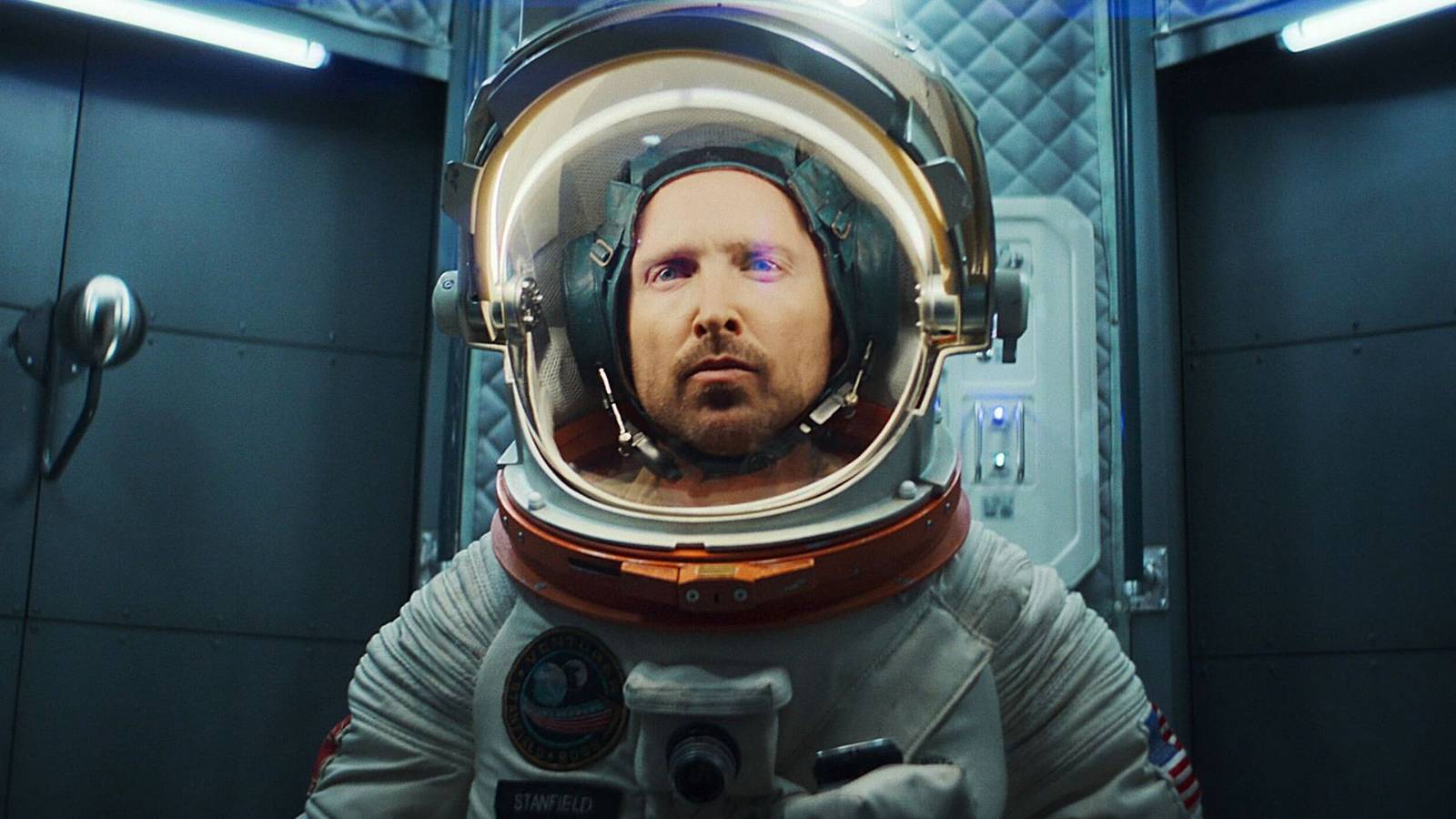
Image via Netflix Published Oct 27, 2026, 5:44 PM EDT Dyah (pronounced Dee-yah) is a Senior Author at Collider, responsible for both writing and transcription duties. She joined the website in 2022 as a Resource Writer before stepping into her current role in April 2023. As a Senior Author, she writes Features and Lists covering TV, music, and movies, making her a true Jill of all trades. In addition to her writing, Dyah also serves as an interview transcriber, primarily for events such as San Diego Comic-Con, the Toronto International Film Festival, and the Sundance Film Festival. Dyah graduated from Satya Wacana Christian University in October 2019 with a Bachelor's degree in English Literature, concentrating on Creative Writing. On March 2026, Dyah graduated with Master's degree in English Literature Studies, with a thesis on intersectionality in postcolonial-feminist studies in Asian literary works. Born and raised between Indonesia and Singapore, Dyah is no stranger to different cultures. She now resides in the small town of Kendal with her husband and four cats, where she spends her free time cooking or cycling. Sign in to your Collider account Sci-fi has been a television staple long before streaming came along, and Netflix has added plenty of hits to the genre. From distant galaxies and mind-bending technology to AI-powered machines, the platform has no shortage of sci-fi shows worth watching. But a great premise can only take a series so far. Keeping the quality up across multiple seasons is another challenge entirely, especially when a show needs to balance its big ideas with characters that audiences actually care about. The best sci-fi doesn't just imagine what technology might look like in the future. It also digs into human nature, exploring how our desires, flaws, and ambitions can get tangled up in the very things we create. Some shows tackle these ideas through standalone stories, while others build meticulous mysteries that span decades. From a popular anthology series to a mind-bending time-travel thriller, here are Netflix sci-fi shows with no bad seasons, ranked. 5 'Black Mirror' (2011–Present) Black Mirror made a lasting impression when its first episode featured a Prime Minister doing something audaciously jaw-dropping. Since then, the sci-fi anthology series has explored the fatal consequences of relying on fictional technology, often highly advanced and borderline intrusive, and what happens when people use these innovations for questionable purposes. The scary part is that these scenarios aren't so far-fetched from reality. If there's one thing technology can take advantage of, it's human desire, whether that means climbing to the top of the popularity food chain or trying to reconnect with someone you've long been estranged from. Granted, audiences may have doubts about certain seasons, particularly Seasons 5 and 6, which are generally considered the show's weaker entries. While the later seasons don't always pack as big a punch as the earlier hits, that doesn't mean they can't deliver thought-provoking episodes that leave audiences squirming at the possibilities. But another draw is the talent featured in the show. Because of its anthology format, actors like Bryce Dallas Howard, Daniel Kaluuya, Aaron Paul, and many others can bring a distinct angle to each story. With a different cast and premise in each episode, Black Mirror can explore a wide range of anxieties about technology and human behavior without being tied to one set of characters. 4 'Travelers' (2016–2018) Image via Netflix In Travelers, saving the future means taking over the lives of people in the past. Civilization has collapsed in the distant future, and the only way to stop humanity from reaching that point is to send people back to the 21st century. However, instead of physically traveling through time, these people transfer their consciousness into the bodies of people who are already alive, taking over their identities to prevent disasters before they happen. However, the value of people's lives depends not only on whether they can prevent the apocalypse but also on whether humanity deserves saving if doing so means treating innocent people as collateral damage. The setup sounds like your usual time-travel sci-fi, but Travelers takes a darker turn by making its characters answer to a quantum AI called the Director. This thing decides which bodies they can take over and which missions are worth prioritizing, leaving the travelers to follow orders even when the consequences get ugly. And when the fate of millions in the future outweighs the lives of people living in the present, things get complicated fast. The series basically turns human life into a numbers game, where individual people become expendable if their deaths help secure a better future. It's a pretty messed-up trade-off, especially when the people making these decisions aren't the ones paying the price. 3 'Sense8' (2015–2018) Image via Netflix Most sci-fi shows would probably spend an entire season explaining how eight strangers can suddenly share each other's brains, but Sense8 has bigger things to worry about. The series follows eight people from different parts of the world, including a Nairobi matatu driver, a Seoul martial artist, a San Francisco hacktivist, and a closeted actor in Mexico City. Despite never meeting in person, they can access one another's memories, emotions, and skills. Unfortunately, this strange connection also puts them on the radar of a dangerous organization that's determined to hunt them down. The premise alone makes for a pretty wild sci-fi series, but Sense8 is just as interested in the people behind this bizarre phenomenon. Each character comes from a different background, and their respective cultures, personal struggles, and circumstances give them plenty of reasons to see the world differently. They still have their own problems to deal with, and learning to share their experiences isn't always easy. Instead of treating its characters like pieces of a puzzle that need to be solved, Sense8 gives their individual stories room to breathe while gradually bringing them together. The sci-fi elements might draw viewers in, but it's the messy process of learning to trust people they've never met that makes it all the more frustrating that Sense8 was canceled so abruptly after just two seasons. Collider Exclusive · Sci-Fi Survival Quiz Which Sci-Fi World Would You Survive? The Matrix · Mad Max · Blade Runner · Dune · Star Wars Five universes. Five completely different ways the future went wrong — or sideways, or up in flames. Only one of them is the world your instincts were built for. Eight questions will figure out which dystopia, galaxy, or desert wasteland you'd actually make it out of alive. 💊The Matrix 🔥Mad Max 🌧️Blade Runner 🏜️Dune 🚀Star Wars TEST YOUR SURVIVAL → 01 You sense something is deeply wrong with the world around you. What do you do? The first instinct is often the truest one. APull on every thread until I understand the system — then figure out how to break it. BStop asking questions and start stockpiling — food, fuel, weapons. Questions don't keep you alive. CKeep my head down, observe carefully, and trust no one until I know who's pulling the strings. DStudy the patterns. Every system has a rhythm — learn it, and you learn how to survive it. EFind the people fighting back and join them. You can't fix a broken galaxy alone. NEXT QUESTION → 02 In a world of scarcity, what resource do you guard most fiercely? What we protect reveals what we believe survival actually requires. AKnowledge. If you understand the system, you don't need resources — you can generate them. BFuel. Everything else — movement, power, escape — runs on it. CTrust. In a world of fakes and informants, a truly reliable ally is rarer than any commodity. DWater. And after water, information — the two things empires are truly built on. EShips and credits. The galaxy is big — you survive it by being able to move through it freely. NEXT QUESTION → 03 What kind of threat keeps you up at night? Fear is useful data — if you're honest about what you're actually afraid of. AThat reality itself is a lie — that everything I experience has been constructed to keep me compliant. BA raid. No warning, no mercy — just the roar of engines and then nothing left. CBeing identified. Once someone with power decides you're a problem, you're already out of time. DBeing outmanoeuvred — losing a political game I didn't even know I was playing. EThe Empire tightening its grip until there's nowhere left to run. NEXT QUESTION → 04 How do you deal with authority you don't trust? Every dystopia has a power structure. Your approach to it determines everything. ASubvert it from the inside — learn its rules well enough to weaponise them against it. BIgnore it and stay out of its reach. The further from any power structure, the better. CAppear to comply while doing exactly what I need to do. Visibility is the enemy. DManoeuvre within it carefully. You can't beat a system you refuse to understand. EResist openly when I have to. Some things are worth the risk of being seen. NEXT QUESTION → 05 Which environment could you actually endure long-term? Survival isn't just tactical — it's physical, psychological, and very much about where you are. AUnderground bunkers and server rooms — cramped, artificial, but with access to everything that matters. BOpen wasteland — brutal sun, no shelter, constant movement. At least the threat is honest. CA dense, rain-soaked city where you can disappear into the crowd and nobody asks questions. DMerciless desert — extreme heat, no water, and something enormous living beneath the sand. EThe fringe — backwater planets and busy spaceports where the Empire's attention rarely reaches. NEXT QUESTION → 06 Who do you want in your corner when things fall apart? The company you keep is the clearest signal of who you actually are. AA tight crew of believers who've seen behind the curtain and have nothing left to lose. BOne or two people I'd trust with my life. Any more than that and someone talks. CNobody, ideally. Alliances are liabilities. I work alone unless I have no choice. DA community bound by shared hardship and mutual survival — people who need each other to last. EA ragtag team with wildly different skills and total commitment when it counts. NEXT QUESTION → 07 Where do you draw the line — if you draw one at all? Every survivor eventually faces a moment that tests what they're actually made of. AI won't harm the innocent — even the ones who'd report me without hesitation. BI do what I have to to protect the people I've chosen. Everything else is negotiable. CThe line shifts depending on who's asking and what's at stake. DI draw a long-term line — nothing that compromises my people's future, even if it'd help now. ESome lines, once crossed, can't be uncrossed. I know which ones they are. NEXT QUESTION → 08 What would actually make survival worth it? Staying alive is one thing. Having a reason to is another. AWaking others up — dismantling the illusion so no one else has to live inside it. BFinding somewhere — or someone — worth protecting. A reason to keep moving. CAnswers. Understanding what I am, what any of this means, before time runs out. DLegacy — shaping the future in a way that outlasts me by generations. EFreedom — for myself, for others, for every world still living under someone else's boot. REVEAL MY WORLD → Your Fate Has Been Calculated You'd Survive In…Your answers point to the world your instincts were built for. This is the universe your temperament, your survival instincts, and your particular brand of stubbornness were made for. The MatrixYou took the red pill a long time ago — probably before anyone offered it to you. You're a systems thinker who can't help but notice the seams in things. You're drawn to understanding how the system works before figuring out how to break it. You'd find the Resistance, or it would find you — your instinct for spotting constructed realities is the machines' worst nightmare. You function best when you have access to information and the freedom to act on it. The Matrix built an airtight prison. You'd be the one probing the walls for the door. Mad MaxThe wasteland doesn't reward the clever or the well-connected — it rewards those who are hard to kill and harder to break. That's you. You don't need comfort, community, or a cause larger than the next horizon. You need a vehicle, a clear threat, and enough fuel to outrun it — and you're good at all three. You are unsentimental enough to survive that world, and decent enough — just barely — to be something more than another raider. In the wasteland, that distinction is everything. Blade RunnerYou'd survive here because you know how to exist in moral grey areas without losing yourself completely. You read people accurately, keep your circle small, and ask the questions others prefer not to answer. In a city where humanity is a legal designation rather than a feeling, you hold onto something that keeps you functional. You're not a hero. But you're not lost, either. In Blade Runner's world, that distinction is everything. DuneArrakis is the most hostile environment in the known universe — and you are precisely the kind of person it rewards. Patience, discipline, and political awareness are your core strengths — and on Arrakis, they're survival tools. You understand that the long game matters more than any single victory. Others come to Dune and are consumed by it. You'd learn its logic and earn its respect. In time, you wouldn't just survive Arrakis — you'd begin to reshape it. Star WarsThe galaxy far, far away is vast, loud, and in a constant state of violent political upheaval — and you wouldn't have it any other way. You find meaning in being part of something larger than yourself — a cause, a crew, a rebellion. You'd gravitate toward the Rebellion, or the fringes, or whatever pocket of the galaxy still believes the Empire's grip can be broken. You fight — not because you have to, but because standing aside isn't something you're capable of. In Star Wars, that willingness is what makes all the difference. ↻ RETAKE THE QUIZ 2 'Stranger Things' (2016–2025) Image via Netflix Nothing makes for a more fun premise than a bunch of scrappy kids accidentally discovering secret government experiments. Stranger Things is a delightful coming-of-age story that hints at Steven Spielberg but isn't afraid to double down on supernatural horrors à la Stephen King. Set in the 1980s, the fictional town of Hawkins, Indiana, is dumbstruck when its residents realize something's amiss in their sleepy town, and a hell-like dimension threatens to destroy their beloved home. Just as young Will Byers (Noah Schnapp) goes missing, his friends discover a girl named Eleven (Millie Bobby Brown) who possesses psychokinetic powers. The Upside Down gives Stranger Things its signature sci-fi appeal, but its camaraderie gives the show its heart. The thing about children is that, most of the time, their intentions are genuine. Sometimes they're misguided, and they don’t always get along or want to work together because of personal grudges. However, that doesn't stop monsters from trying to eat them one by one, and they don't necessarily have the power to fight back. But what's stronger than powers is loyalty. As the group tries to figure out unexplained phenomena and events beyond their understanding, they might be scared, but they know they can always rely on each other, even when they're on the verge of death. 1 'Dark' (2017–2020) Image via Netflix Time travel is often associated with changing the past to change the future, but Dark takes the concept much further. The German sci-fi thriller plays around with time travel so much that viewers can't help but binge all three seasons to see how the tiniest actions can affect multiple periods. In the German town of Winden, children disappear, and the mystery soon entangles four families across generations. What begins as a missing child case gradually reveals a complicated time structure intertwining 1953, 1986, and 2019, with each generation bound together by a lingering sense of loss and grief. The best sci-fi shows are the ones that, for all their logic and rationale, deliver a profound human message. Mind-bending twists aside, Dark remains a story about interconnected trauma and the consequences of people's choices. The series utilizes time travel to emphasize how, no matter how much the characters learn or how desperately they try to change their circumstances, they remain trapped in situations they cannot easily escape. Its intricate timelines also show the importance of small details in building a cohesive story, with recurring imagery, dialogue, and character connections tying different eras together. Every revelation adds another layer to the mystery, but it also reinforces how deeply the characters' lives affect one another. Dark Release Date 2017 - 2020-00-00 Network Netflix Cast Louis Hofmann Jonas Kahnwald Lisa Vicari Martha Nielsen A family saga with a supernatural twist, set in a German town where the disappearance of two young children exposes the relationships among four families. Showrunner Jantje Friese Directors Baran bo Odar Writers Marc O. Seng, Martin Behnke, Ronny Schalk Main Genre Crime Seasons 3 Producers Max Wiedemann, Quirin Berg, Baran bo Odar, Jantje Friese, Lars Gmehling, Kelly Luegenbiehl, Justyna Müsch, Erik Barmack Creator(s) Baran bo Odar, Jantje Friese Story By Jantje Friese Streaming Service(s) Netflix Executive Producer(s) Baran bo Odar, Jantje Friese, Max Wiedemann, Quirin Berg, Kelly Luegenbiehl, Justyna Müsch, Erik Barmack
5 Netflix Sci-Fi Shows With No Bad Seasons, Ranked
Full Article
Original Source
Read the full article at Collider →KhanList aggregates and links to publicly available news content. We do not host full articles from third-party sources. Always verify important information with original sources.