
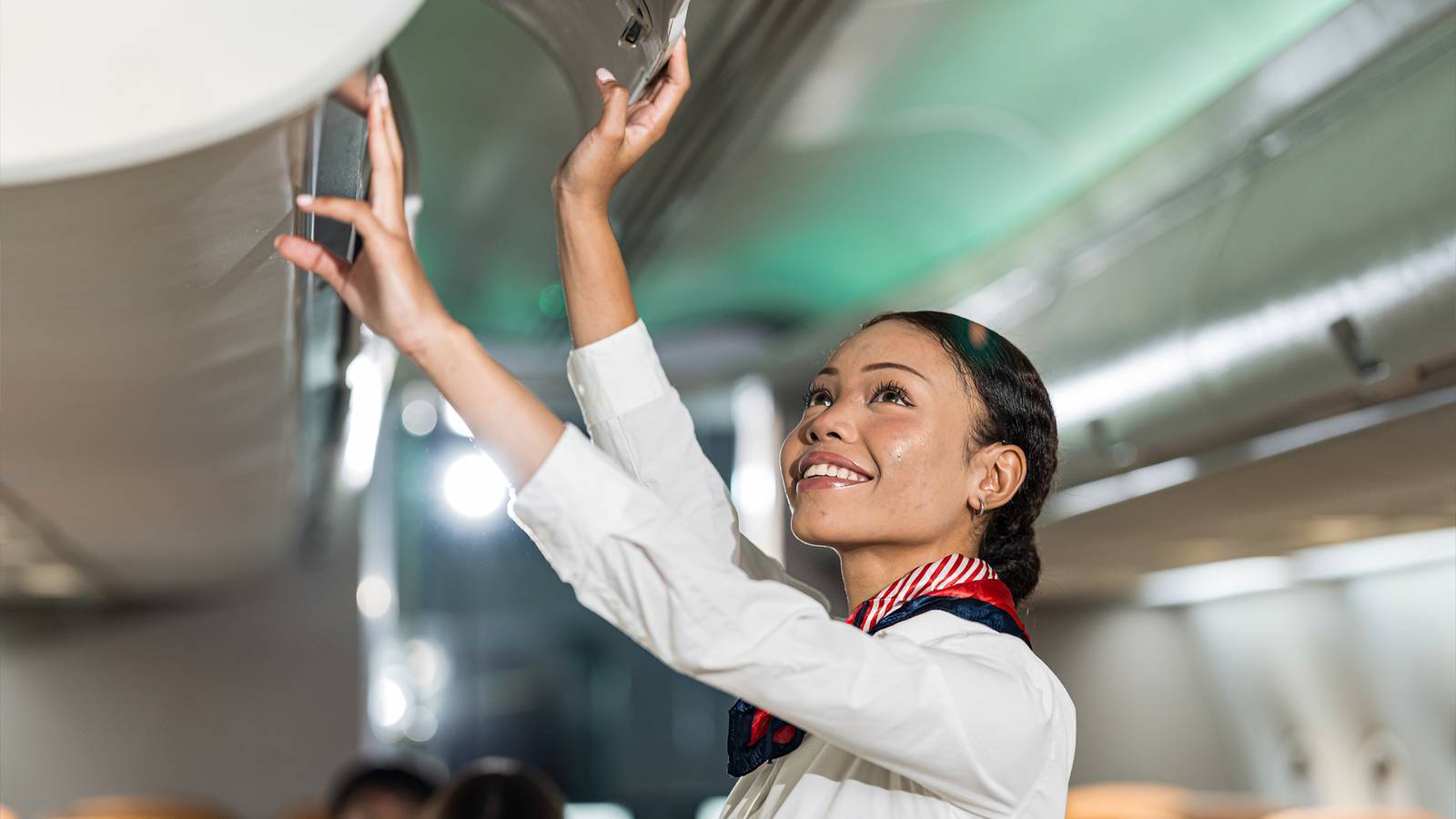
Published Nov 1, 2026, 9:00 PM EST Writer - Patricia joins Simple Flying with over 20 years of experience in aviation. She has served as cabin crew on flights from economy-class through to first-class and on private jets as well as being head of cabin crew and cabin safety focal point. Patricia has a master's level postgraduate diploma in Human Factors in Aviation and has written about aviation since 2010. Based in Dubai/Cyprus. Not all passengers know the specifics of what needs to be stowed away, when, and how to do so safely. They often do not understand that cabin crew must follow a strict set of procedures to keep passengers safe during critical phases of flight. For some reason, they think cabin crew is being difficult, sometimes refuse to follow instructions, and require repeated reminders to comply. They do not realize it's for their safety and the safety of those seated around them. US FAA regulations and European aviation safety rules require passengers to secure baggage and other potentially hazardous items before takeoff and landing. In an emergency or accident during takeoff or landing, unsecured items can become projectiles and cause injury. Everything should always be prepared for an emergency evacuation on every single flight, and an evacuation should not be impeded. Larger Cabin Bags & Wheeled Luggage Stowing away safely Credit: Southwest Airlines Cabin bags and wheeled luggage are always stowed in the overhead lockers. The cabin crew will be checking during boarding that bags are stored safely and efficiently and will help passengers find space for their bags but cannot help lift them, due to risk of injury. If a passenger cannot lift their own bag, they should not pack so much inside it. Cabin crew know when a bag is too large, and any larger items will be offloaded into the hold, as well as any extra luggage when the overhead lockers become full. IATA provides passenger baggage guidelines on its website. Normal cabin bags of the standard size should be stored on their side, with wheels to the back. This is the best way to make the most of overhead locker space. Large backpacks take up more room, and there isn't always space directly above your seat, so you may need to use alternative storage, usually toward the rear of the aircraft. Once boarding is almost complete, cabin crew go through their area of the cabin and close the lockers firmly to ensure they are completely closed. A bag falling out on take-off could seriously injure someone. Overhead lockers, or bins as they are sometimes called, must remain closed during taxi, takeoff, landing, and turbulence, to avoid items falling out. They are engineered to withstand high deceleration forces (up to ~9g forward), meaning a 20 kg bag can exert up to 180 kg of force during a sudden stop. After the Kegworth accident in the UK, when overhead lockers were compromised and baggage fell out, the lockers' structure was improved. Some in the industry say overhead lockers should be locked during critical phases of flight to stop passengers from taking their luggage during evacuations. Handbags & Backpacks The secondary item Credit: Dr David Sing | Shutterstock Overhead space is first-come, first-served based on your boarding group. Small items such as backpacks or handbags should go under the seat in front of you. You can hang jackets on the coat hook on the side or back of the seat (except in emergency exit rows). Never move another passenger's belongings without asking, although the cabin crew can. Cabin crew will be available to assist and often have to repack the overhead locker to make optimum use of the space. They are well-used to playing Tetris with bags. When seated at an overwing exit or a bulkhead seat, stow all items in the overhead locker, as exits must be kept completely clear in case of evacuation. Because there is no seat in front of you to block a bag, any loose items on the floor could become dangerous projectiles or block an evacuation route during an emergency. There is no universally prescribed order in which cabin crew must ask passengers to stow particular belongings. Before stepping onto the plane, take anything you will need during the first 30 minutes of flight (like noise-canceling headphones, a book, medication, or candy) and keep it in your hands, and then place it in the seat pocket if available. Otherwise, wait until the aircraft reaches cruising altitude and the captain turns off the "Fasten Seatbelt" sign. You are allowed to open the overhead bins, retrieve your personal items at that point, but must stow them again before landing. Laptops & Other Larger Electronic Devices Keep them close to hand Credit: Singapore Airlines When traveling with laptops and other electronic devices, all devices containing lithium-ion batteries must be packed in your carry-on luggage, never in your checked baggage. Rechargeable lithium battery-powered devices can be checked only if they are completely powered off and protected from accidental activation, according to the FAA. Spare lithium batteries and power banks must remain in carry-on baggage, not checked luggage. Large loose lithium batteries or power banks pose a fire risk in the cargo hold, whereas cabin crew are trained to handle battery fires in the cabin. Passengers should notify the flight crew immediately if their lithium-ion battery or portable electronic device overheats, expands, smokes, or burns. Spare batteries, external power banks, and vape devices are never allowed in the hold because cargo fires are difficult to suppress at 32,000 feet, according to the FAA. Data from aviation authorities and safety organizations show that thermal runaway and overheating incidents (involving smoke, extreme heat, or fire) now average one to two events per week globally and on US carriers. Delta Air Lines says that you must not charge power banks or use them to recharge devices during taxi, take-off, or landing, and keep them accessible (such as under the seat in front of you) rather than deep in an overhead bin. Loose Personal Items Even small items can also cause obstruction Credit: Etihad Airways Most passengers have a few things that they might need for a flight, like newspapers, magazines, and a book. They may also have their phone and a bottle of water or snack. Take these items out of your bag before the flight so you don't block the aisle or slow down boarding. These can usually be stowed in the seat pocket on the seat in front of you. In case of an exit row, there may not be a seat pocket, but a side pocket on the adjoining wall. Bulkhead seats have a pocket situated on the bulkhead. Long-haul passengers often carry additional belongings, including electronic devices, travel accessories, and comfort items. Airlines may have different procedures for securing these objects, depending on aircraft configuration and safety requirements. In business class, seats usually have enough storage space for small items. Even small items have to be secured properly, as during turbulence or an accident they can become dislodged and injure you or another passenger. In emergency exit rows and bulkhead rows, don't leave newspapers and magazines on the floor, as they can impede an evacuation and people can slip on them. Give unwanted items to the cabin crew to throw away. It is a good idea to keep small personal items such as money, phone, passport, keys, etc. in a plastic bag and carry them in a pocket, in case of an evacuation. There is no excuse to take your bag. Cabin Fittings It's all in the details Credit: Kirk Fisher | Shutterstock It goes without saying that everyone knows the drill from every airline safety video that there are certain cabin fittings that need to be stowed away before takeoff and landing. The tray table needs to be latched into place, the seatback put upright, and if there is a footrest, that also needs to be stowed in the original position. Armrests should be down. Some aircraft also have IFE screens on bulkhead seats, so those also need to be latched back into place. Window blinds should also be raised, so that cabin crew can see outside conditions if there is an evacuation. This is because all seats must be completely clear during taxi, takeoff, and landing, as these are the most critical phases of flight and when an evacuation is most likely. Every second counts, and evacuations should take place in under 90 seconds, with the crew leaving the aircraft last, so any delays put them at risk too. The 90-second rule is used for aircraft certification purposes, and it is the time it takes for a flashover to occur in a post-accident fire. The cabin secure check is when the cabin crew check their area and ensure that all passengers are wearing their seatbelts, aisles and exits are clear, all baggage is stowed correctly, and cabin fittings are stowed before takeoff and landing. Once this is completed, the senior cabin crew calls all crew, who report that their area is 'secure'. The senior then reports 'cabin secure' to the flight crew, who can then prepare for a safe takeoff or landing.
5 Items Cabin Crew Ask Passengers To Stow Away First Before Takeoff On Long-Haul Flights
Full Article
Original Source
Read the full article at Simpleflying →KhanList aggregates and links to publicly available news content. We do not host full articles from third-party sources. Always verify important information with original sources.