
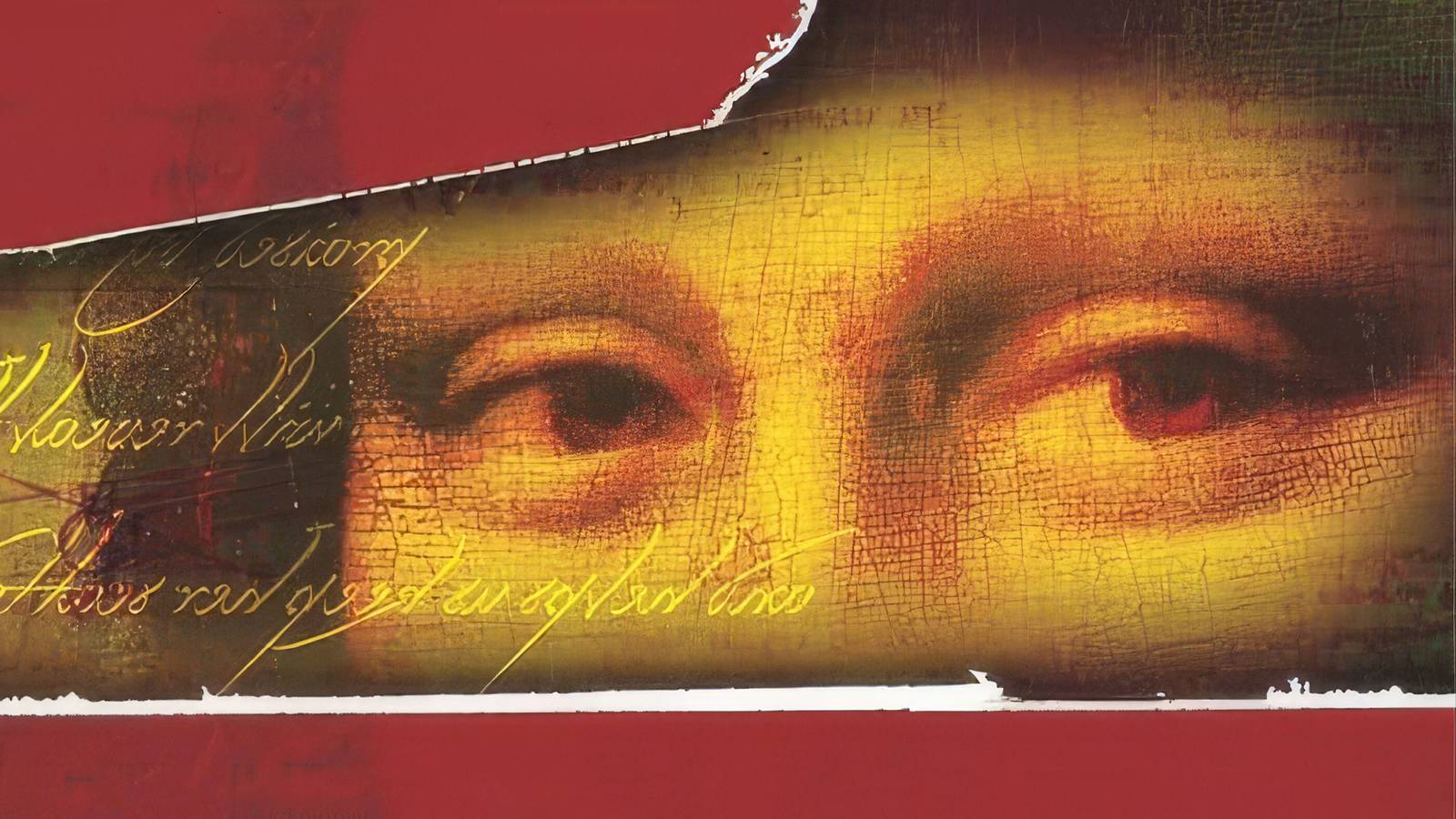
Image via Doubleday Published Oct 12, 2026, 11:55 PM EDT Linda Chavers is a writer, cultural critic, and longtime consumer of stories in just about every form they come in. Her essays have appeared in The Boston Globe Magazine, The LA Times, The Independent, Elle, and (the now sadly defunct) Gawker Media. Linda can turn almost anything—from a novel to a reality TV reunion—into an argument. That's because she's opinionated about anything she gets to stay in pajamas for. It's also because she holds a Ph.D. in African and African American Studies from Harvard University, where she specialized in modern literature. She has taught at Harvard University and Temple University. Her tastes are wide-ranging. She loves literary fiction, popular culture, reality television, and Law and Order marathons. When she's not writing, or avoiding writing by thinking very seriously about writing, Linda is usually reading a novel or trying to remember which show she watched on which streaming app she's still subscribed to. Sign in to your Collider account Maybe you've hit a slump in your TBR list. Maybe you don't know how to enter the conversation about the Dan Brown series. Maybe you just want a really good excuse to cancel tonight's plans because you need to know what happens next. Whatever your reason, these books are your reading list for Thriller 101. They are the perfect place to start when you want to inject more thrills into your reading. It might feel intimidating jumping into this genre, but once you start the first page, you won't be able to stop. Every book below grabbed readers' attention from the first page and kept them there from start to finish, whether through a missing wife, a centuries-old conspiracy, an unreliable narrator, or an island where everything feels just a tad off. They also helped define what the modern thriller could look like. Personally, I still mentally recite the Gone Girl "Cool Girl" monologue at least once a month, which probably tells you everything you need to know about how long some of these books stay with you. 'The Woman in the Window' (2018) Image via William Morrow What would you do if you witnessed a murder? What would you do if you witnessed a murder while spending your time home alone day-drinking on heavy medication? Anna Fox is a child psychologist with debilitating agoraphobia (for reasons), so she spends her time watching old movies and spying on her neighbors across the street. She manages to befriend a new neighbor, Jane Russell. Then, one very rainy day during a wine-heavy haze, she looks out of her window and witnesses her new friend getting stabbed to death. Or so she thinks. One police call and embarrassing conversation later, we all learn that Jane is very much alive. But Anna knows what she saw. I'm not giving anything away when I say that there's a fairly quick reveal after that moment, but it's not the big reveal one associates with thrillers, and that's what makes A. J. Finn's book so effective: every new piece of information gives us another reason to question our narrator, Anna, right along with everyone else. The Woman in the Window understands that the best way to hide the truth is to put it in the mouth of a woman nobody finds reliable. 'The Girl With The Dragon Tattoo' (2005) Image via Norstedts Förlag There is a reason the original Swedish title translates to "Men Who Hate Women." Stieg Larsson builds an entire thriller around violence against women and then gives us a heroine who refuses every single expectation of how a female victim should act. The mysterious predator has managed to move through respectable society while doing monstrous things to women no one bothered to protect. David Fincher's 2011 film adaptation, with Rooney Mara as Lisbeth, understood that feminist rage isn't sitting somewhere underneath the mystery. Rather, it is the mystery itself. Journalist Mikael Blomkvist is hired by an elderly industrialist to solve the decades-old disappearance of his niece Harriet Vanger from the family's private island. Mikel joins forces with Lisbeth Salander, a weird and brilliant hacker who's a bit prickly, antisocial, even violent when necessary, and she's not at all interested in making herself more palatable for anyone. Their investigation starts as a cold case and leads them toward a series of murdered women whose deaths may be connected right back to the Vanger family. And quickly that strange old family mystery starts looking a lot uglier. 'Gone Girl' (2012) Image via Phoenix When it comes to thrillers, there are books with reveals, books with twists, and then there are the thrillers that make you put the book down and say "Wait, what?!" Gillian Flynn's Gone Girl begins when Amy Dunne disappears on her fifth wedding anniversary and all the evidence starts pointing toward her husband, Nick. Nick is evasive, unlikable, and keeps lying about things that you should probably not lie about when your wife is missing. Meanwhile, we meet Amy through her diary, which gives us a version of their marriage Nick doesn't want anyone to know. And then Flynn pulls the rug out from under us. It's not being tricked by an unreliable narrator that makes the reveal so deliciously good; it's realizing why we were so easy to trick in the first place. Amy understands exactly what we expect a good woman and a sympathetic wife to sound like, and she uses every bit of it against us. Rosamund Pike made that even more chilling in David Fincher's 2014 adaptation, especially once Amy explains the now-infamous "Cool Girl" performance that I'm still mentally reciting at least once a month. Collider Exclusive · Villain Personality Quiz Which Criminal Mastermind Would Be Your Nemesis? Lecter · Joker · Moriarty · Chigurh Four of the finest criminal minds ever put on screen. One of them would look at you and see something worth their time. Eight questions decide which one comes for you, why they picked you, and what they would want when they arrived. 🍷Lecter 🃏Joker ♟️Moriarty 🪙Chigurh MEET YOUR NEMESIS → 01 What would a criminal mastermind notice about you first? Great villains choose their opponents carefully. Something about you got their attention. AMy manners, and everything I am careful not to say. BThat I still believe people are basically decent. CThat I am clever, and quietly enjoy proving it. DThat I handle things myself, and always have. NEXT QUESTION → 02 How do they make first contact? The introduction tells you everything about what is coming next. AA polite letter. Beautiful handwriting. Quietly wrong. BSomething on fire, with a message left beside it. CA puzzle, left where only I would look. DNo contact. Just the aftermath, and a coin. NEXT QUESTION → 03 What do you actually believe about right and wrong? Every nemesis is really an argument about the thing you believe most. AThere are lines. Mine are private and absolute. BRules are the only thing keeping us from being animals. CMorality is a system, and systems can be solved. DThings happen. Most of it was never up to me. NEXT QUESTION → 04 What finally gets under your skin? Everybody has a pressure point. Finding yours is the whole plan. ABeing seen clearly by somebody I cannot read. BWatching good people do something ugly. CLosing to someone who was simply better prepared. DHaving no move left that changes anything. NEXT QUESTION → 05 They have made their move. How do you fight back? This is the part of the film where the audience finds out who you are. ACarefully, and never where they expect to be touched. BLoudly. I would rather lose than play their game. CWith a better plan. I can out-think this. DDirectly, once, with whatever is closest to hand. NEXT QUESTION → 06 What would they use against you? A good villain never brings a weapon you have not already handed them. AMy privacy. I have kept far too much to myself. BMy conscience. I will not cross the line they want. CMy ego. I cannot resist a worthy opponent. DMy certainty that I can handle it alone. NEXT QUESTION → 07 What do they actually want from you? The money is never the point. Something else always is. ATo understand me better than anyone ever has. BTo prove I am no better than they are. CTo finally be beaten by someone worth the trouble. DNothing at all. I stepped into the wrong path. NEXT QUESTION → 08 How does it end between the two of you? Eight questions in, this is the one that decides who comes for you. AA conversation I will be replaying for years. BA choice forced on me that has no clean answer. COne final move, and the better mind wins. DA coin in the air, and nothing I can say. REVEAL MY NEMESIS → The Case File Is Complete Your Nemesis Is…Four criminal masterminds. One of them was always going to be yours. Here is who comes for you, why they picked you out of everyone available, and what they want from the encounter. Hannibal LecterYour nemesis does not want to beat you. He wants to know you completely, and he is patient enough to wait for it. The frightening part is how good the conversation is. Lecter is the most dangerous kind of opponent: the one who finds you interesting. He never raises his voice, because he has never needed to. You keep a great deal to yourself and you are careful about what you show. That reserve is exactly the door he would knock on. The films understood something other thrillers missed. The horror is not the violence. It is being perfectly understood by the wrong person. He would be unfailingly polite about all of it. That is the worst part. The JokerYour nemesis is not after money, territory or revenge. He is after a demonstration, and you are the person he has chosen to prove his point on. The Joker only picks opponents who believe in something. Your decency is not a defence against him. It is the entire reason he showed up. He has no plan you can predict and nothing you can take away, which removes every tool you would normally reach for. His whole argument is that you are one bad day away from being him, and you would spend the rest of your life proving him wrong. He would call it a magic trick. You would call it the worst night of your life. MoriartyYour nemesis respects you, which sounds flattering until you work out what it means. He chose you because nobody else was worth his time. Moriarty is the original criminal mastermind, the template every later one borrows from: a mind the equal of the hero's, pointed the wrong way. You enjoy being the cleverest person in the room. He is counting on exactly that, and he has already built the room. This is the rare nemesis who would be genuinely disappointed if you lost badly. He needs the game to be worth playing. It ends the way these things always end. Two people, one problem, and only one way down. Anton ChigurhYour nemesis has no personal interest in you whatsoever, and that is precisely what makes him unsurvivable. You are not a rival. You are a stop on the way. Chigurh does not negotiate, gloat or explain. He arrives, he asks one question, and the answer was decided long before you opened your mouth. You trust yourself to handle things. He is the one problem in the world that has no interest in how capable you are. No Country for Old Men rewrote the screen villain by removing the thing audiences quietly rely on: the sense that talking might work. Call it. He will wait. ↻ RETAKE THE QUIZ 'Shutter Island' (2003) Image via William Morrow / Abacus Books / Little, Brown U.S. Marshal Teddy Daniels arrives at Shutter Island in 1954 to investigate the disappearance of a patient from Ashecliffe Hospital, a psychiatric institution for people considered criminally insane. A woman has disappeared from a locked room; there's a hurricane trapping everyone on the island; the doctors are just plain weird when asked basic questions; and Teddy's convinced there's something much larger going on inside this really weird hospital. Also, Teddy's wife died in a fire and, it just so happens that the man responsible just may be imprisoned there. Suffice it to say, Teddy's got a lot going on. Dennis Lehanebuilds the novel around a central thriller question: Can you trust what you're being shown? ButShutter Islandmakes that question increasingly uncomfortable, because the deeper Teddy gets into his investigation, the harder it is to tell if he's really uncovering some grand conspiracy or if he's just building one himself. By the time we get to the big reveal, the mystery has evolved into something much sadder about trauma, guilt, and the stories we have to tell ourselves just to survive. Martin Scorsese's 2010 film with Leonardo DiCaprio turned all of that into one of those adaptations where knowing the ending somehow makes the second watch even better. 'The Da Vinci Code' (2003) Image via Doubleday Whatever else you think about The Da Vinci Code, Dan Brown knew how to make people keep turning pages. Robert Langdon is a Harvard symbologist who gets summoned to the Louvre after its curator is murdered, and discovers that the dead man left behind an elaborate trail of symbols, codes, artwork, and clues. With cryptologist Sophie Neveu, Langdon starts racing (literally, there are a lot of running scenes) through churches, paintings, secret societies, religious history, and enough puzzles to make you briefly believe you, too, know how to decode Leonardo da Vinci. Reader, we do not. It's what all those clues reveal that becomes controversial: The novel's central conspiracy argues that the Holy Grail isn't just some revered cup but is a critical link to a secret feminine tradition led by Mary Magdalene and Jesus. So, underneath the murders, car chases, confusing anagrams, and frantic map reading, the book is actually a compelling story about who gets written into history and who gets written out. Ron Howard adapted the book in 2006 with Tom Hanks as Langdon and Audrey Tautou as Sophie, because there was absolutely no universe in which a publishing phenomenon that big wasn't becoming a movie. If you can't get enough of Robert Langdon, there's an entire series of his globe-trotting adventures and conspiracies; two of which have also been adapted into movies, Angels & Demons and Inferno. The Da Vinci Code Release Date May 17, 2006 Runtime 149 minutes Cast Audrey Tautou Sophie Neveu Director Ron Howard Writers Akiva Goldsman, Dan Brown Producers Brian Grazer, John Calley, Ron Howard Sequel(s) Angels & Demons, Inferno Franchise(s) The Da Vinci Code Main Genre Mystery Budget $125 million Studio(s) Sony Distributor(s) Sony, Columbia Pictures Executive Producer(s) Dan Brown, Todd Hallowell
5 Essential Thriller Books for Beginners
Full Article
Original Source
Read the full article at Collider →KhanList aggregates and links to publicly available news content. We do not host full articles from third-party sources. Always verify important information with original sources.