
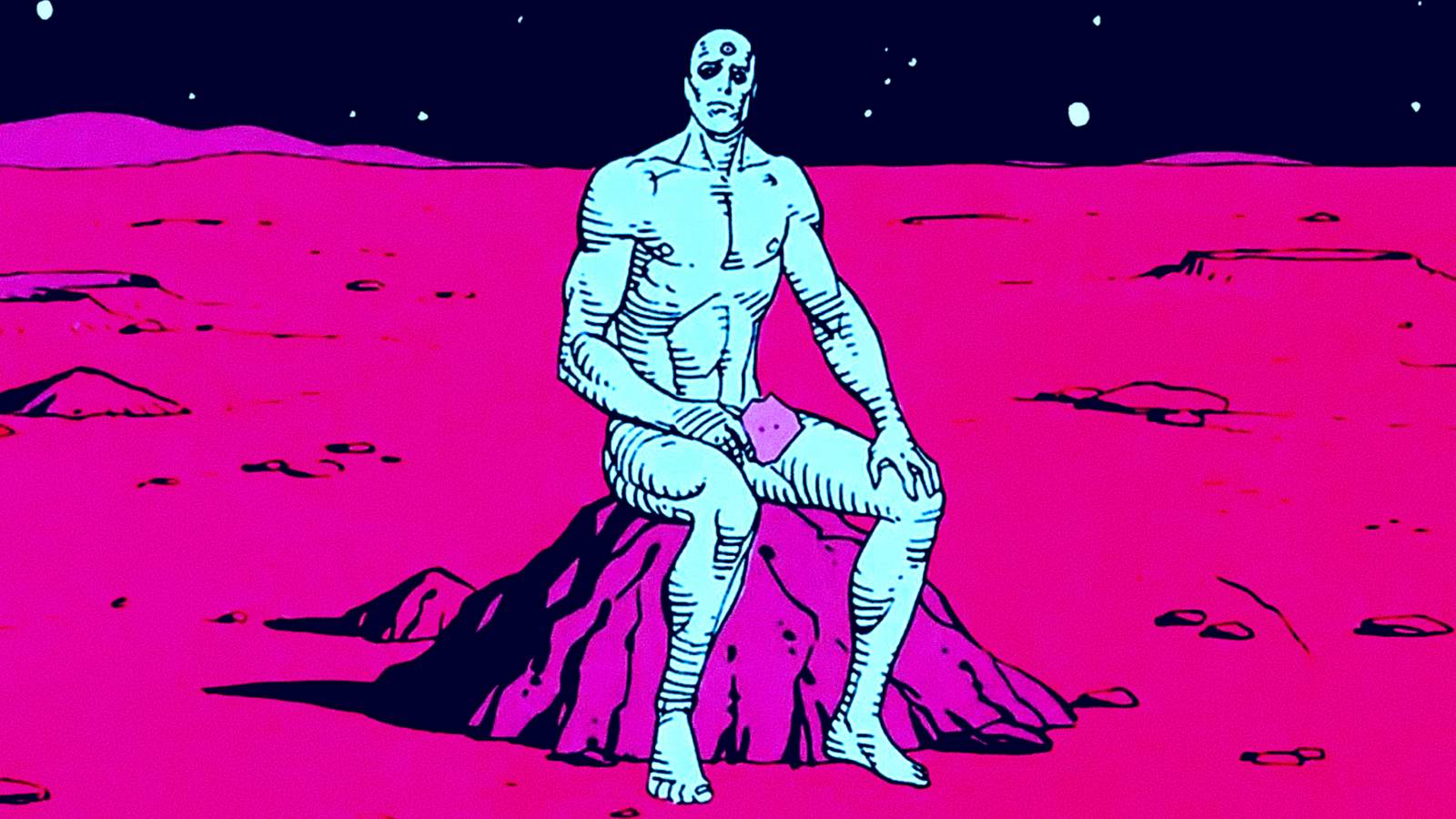
Published Sep 13, 2026, 4:37 PM EDT Nicolas Ayala is a Senior Writer for the Comics team at ScreenRant, with over five years of experience writing about Superhero media, action movies, and TV shows. As flawless and popular as it may be, Alan Moore's Watchmen still doesn't match its predecessor. Watchmen owes its popularity to its willingness to depict the superhero genre from a cynical, grounded perspective. Before its publication, comic books rarely explored the severe moral and political consequences of costumed vigilantism in a realistic world. Moore crafted a gripping multi-layered mystery, paired with Dave Gibbons' meticulous panel layouts and color palettes. Watchmen's success revolutionized the superhero landscape across comic books, and eventually across live-action media. It popularized the grim and gritty era of the late 1980s and 1990s, which inspired generations of writers and artists to infuse their stories with darker themes and more complex characters. In 2009, Zack Snyder's Watchmen movie adaptation contributed to cinema's own grim and gritty era, especially in superhero stories that challenge the traditional lighthearted tropes of the genre. Alan Moore's Watchmen permanently changed how realistic superheroes are depicted, but Moore himself created an even more enduring genre dissection only a few years before. Miracleman Has Aged Better Than Watchmen Miracleman Hasn't Found The Same Success As Watchmen, But That Only Makes It Better Although Watchmen is the more famous of the two, Miracleman has aged better, precisely because it has avoided the creative dilution that has made Watchmen more accessible to general audiences. Watchmen is primarily a deconstruction of the superhero genre, yet the modern entertainment landscape has cannibalized it with the release of countless copycats, homages, and adaptations that inevitably dull the punch of the original text. The opposite applies to Miracleman, as decades of legal battles kept it largely out of print, which accidentally kept it untainted. To this day, Miracleman's criticism of society retains its originality, which allows it to feel fresh and daring to modern audiences who may be fatigued by superhero tropes and their deconstruction. Miracleman also allowed Alan Moore to hone the satire and tone he needed for Watchmen, having been released four years before. Miracleman also reaches a far more unsettling endpoint than Watchmen's cynicism. Watchmen dismantles the superhero genre by reducing costumed vigilantes to flawed and ultimately impotent humans who fail to alter the trajectory of human nature. Miracleman pushes the concept to its limit by transforming its protagonist into a detached deity who successfully creates a totalitarian global utopia. In Miracleman, Alan Moore explores what happens when super-beings genuinely take control of human destiny with a godlike benevolence that leaves readers questioning the concept of authority. The horrifying reality of godhood embodied by Doctor Manhattan in Watchmen takes center stage in Miracleman. Eventually, DC Comics commercialized the Watchmen property not only with a blockbuster movie adaptation and a streaming series, but also with multiple comic series and a major comic crossover. Watchmen's ultimate departure from its core theme happened in the Doomsday Clock crossover event, which merged Watchmen's cynical figures into the mainstream DC Universe. This integration transformed the originally cynical parodies of the superhero genre into marketable superhero icons who interact with Superman and Batman themselves. Miracleman Succeded In Changing Something Watchmen Couldn't Alan Moore Reshaped An Established Character Alan Moore’s Miracleman executs the ultimate deconstruction directly upon an established piece of comic book history. In Miracleman, Moore inherits the wholesome British superhero Marvelman, created by Mick Anglo in the 1950s as a direct response to Captain Marvel. Moore uses decades of pre-existing publication history and retroactively transforms the character's naive adventures into a horrific government-mandated psychic simulation. This adds a heavy layer of dread, as readers witness a familiar childhood icon forcefully dragged into a grim adult reality. DC Comics leadership blocked Alan Moore from his original plan to utilize the newly acquired Charlton Comics roster for his Watchmen story. Forced to pivot, Moore had to invent new approximations like Rorschach, Nite Owl, and Doctor Manhattan in a different timeline altogether. While this creative freedom allowed Moore to craft a self-contained masterpiece, it lacked the unique disruptive thrill of deconstructing a well-known comic book universe. With Miracleman, Alan Moore proved that an author could weaponize a character's own publication lineage to alter how audiences view the whole medium. Which Alan Moore comic do you like the most? Movie(s) Watchmen Created by Alan Moore, Dave Gibbons TV Show(s) Watchmen First Episode Air Date October 20, 2019 Cast Billy Crudup, Patrick Wilson, Malin Akerman, Jackie Earle Haley, Jeffrey Dean Morgan, Carla Gugino, Regina King, Don Johnson, Tim Blake Nelson, Yahya Abdul-Mateen II, Jeremy Irons In an alternate history where superheroes are real and significantly impact global events, the franchise delves into the complexities of morality, justice, and power. Starting with a graphic novel, it introduces a world where vigilantes face government crackdowns. Central characters, including Rorschach, Dr. Manhattan, and Ozymandias, navigate a plot involving political conspiracies and personal dilemmas. Subsequent adaptations, including films and a TV series, expand the narrative, exploring the legacy of the original heroes and the societal repercussions of their actions, blending past and present to address contemporary issues.
44 Years Later, Alan Moore's Greatest Superhero Comic Is Aging Better Than Watchmen
Full Article
Original Source
Read the full article at Screenrant →KhanList aggregates and links to publicly available news content. We do not host full articles from third-party sources. Always verify important information with original sources.