
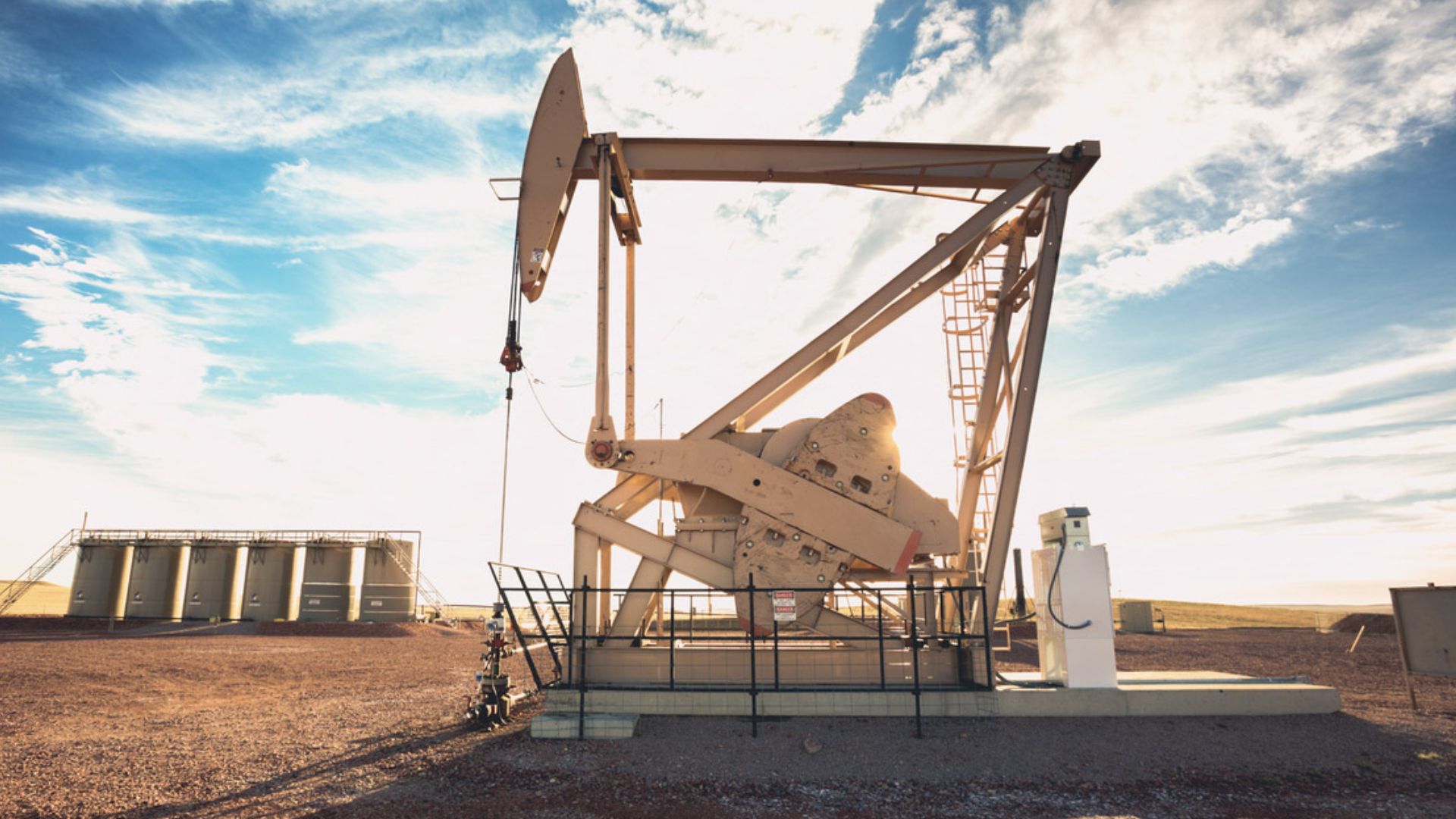
A new study from the University of Houston outlines a method to access 137 billion barrels of trapped domestic crude. The white paper focuses on carbon dioxide-enhanced oil recovery, a technique known as CO2-EOR. Titled “Revitalization of Mature Oil Fields: Opportunities and Challenges of CO2-EOR,” the research was conducted by Charles McConnell, executive director of the university’s Center for Carbon Management in Energy, alongside petroleum engineering doctoral candidate Zhiyuan Li. Before operators can extract stranded crude, they must first secure the physical integrity of aging wellbores. Depleted fields often contain legacy drill holes and abandoned assets that lack modern containment standards. High-pressure gas can travel up these pathways and escape into non-target zones unless operators complete rigorous pre-injection remediation. Subsurface mechanisms and recovery benefits Field teams must run diagnostic assessments downhole, recondition corroded casing strings, and re-plug compromised wells. After injection begins, engineering oversight must track subsurface fluid movement. “Injected CO2 works to revitalize mature oil fields by reducing oil viscosity, improving sweep efficiency and restoring reservoir pressure, resulting in incremental oil production beyond primary and secondary recovery,” according to the report. “CO2-EOR also supports permanent carbon storage and by virtue of this will produce uniquely low-carbon intensity oil for global markets.” When operators introduce the gas under adequate subsurface conditions, the chemical and physical characteristics of the reservoir shift. The gas dissolves directly into the stubborn crude trapped within the rock matrix. This fluid interaction lowers oil viscosity, making thick liquids thin enough to flow through narrow pores. The injected gas also restores depleted pressure gradients across the field, establishing the physical push required to lift hydrocarbons toward active extraction bores. The advancing gas front improves sweep efficiency by penetrating tight, unreached reservoir compartments that standard water-injection floods bypass during secondary extraction campaigns. Long-term resource potential Technical performance alone cannot justify a project; economic balance governs actual field deployment. Operators must evaluate the upfront capital investment required to purchase carbon capture machinery and install secure pipeline transport against daily output rates. Current oil market pricing directly affects whether these multi-year redevelopment programs balance their expenses. “The economic feasibility of a CO2-EOR project depends on the combined performance of all associated elements,” the report said, pointing to costs associated with carbon capture, transportation, field redevelopment, operations, monitoring and tax incentives, as noted by a press release. If these technical and economic benchmarks align, the volume of accessible domestic energy remains substantial. Historical conventional reservoirs across the United States once contained roughly 624 billion barrels of oil. Primary extraction and secondary waterflooding left roughly 434 billion barrels behind underground, dwarfing the nation’s 20 billion barrels of proven conventional reserves. More than half of the reservoirs technically compatible with gas-injection flooding sit within Texas and the broader Gulf Coast region, encompassing onshore basins and offshore fields. Deploying this revitalization process across these formations unlocks oil with a reduced carbon footprint for international markets because the process permanently locks away the injected industrial emissions. Get the latest in engineering, tech, space & science - delivered daily to your inbox.An active and versatile journalist and news editor. He has covered regular and breaking news for several leading publications and news media, including The Hindu, Economic Times, Tomorrow Makers, and many more. Aman holds expertise in politics, travel, and tech news, especially in AI, advanced algorithms, and blockchain, with a strong curiosity about all things that fall under science and tech.
434 billion barrels trapped US oil: Researchers outline CO2 injection to tap 137B barrels
Full Article
Original Source
Read the full article at Interestingengineering →KhanList aggregates and links to publicly available news content. We do not host full articles from third-party sources. Always verify important information with original sources.