
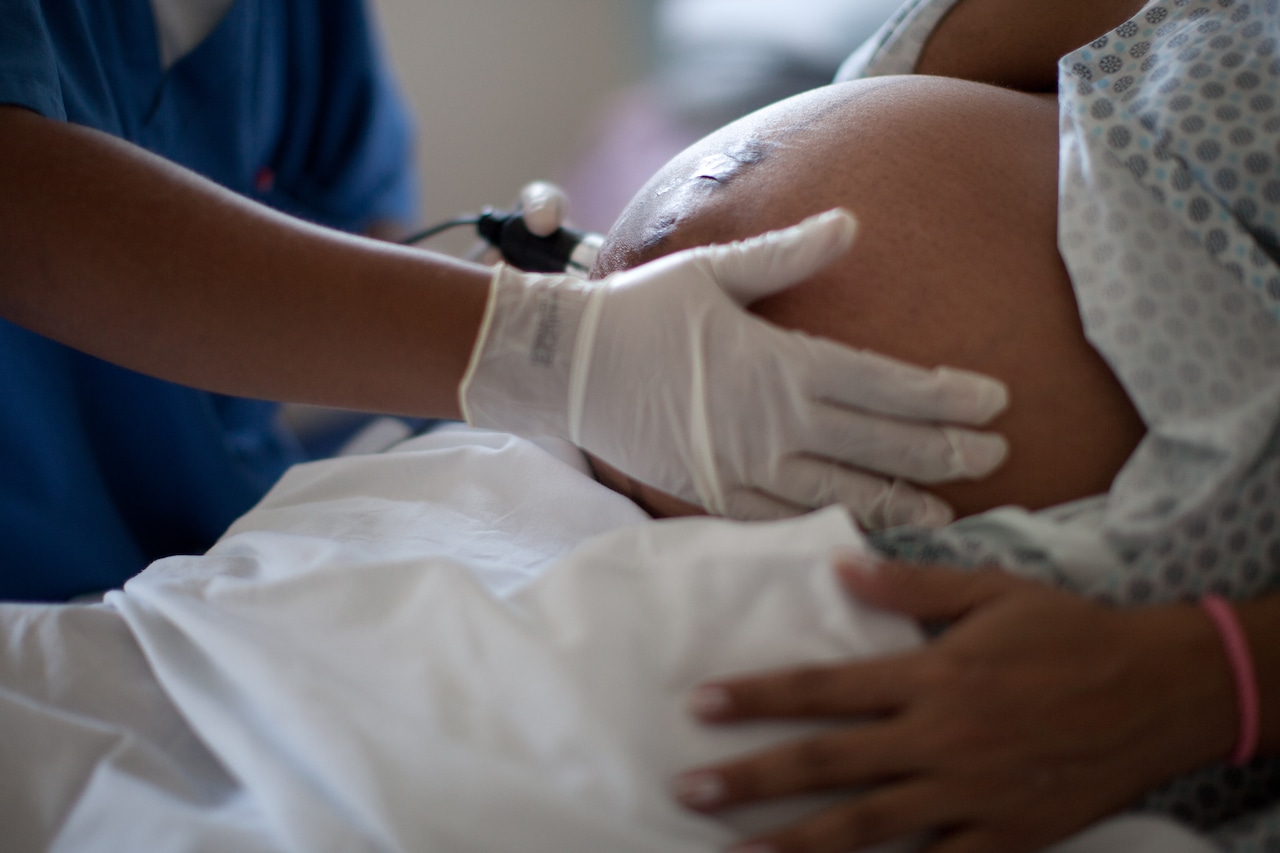
Ohio PoliticsA national report from the March of Dimes found that one in five Ohio counties are considered maternity care deserts, where local access to prenatal, postpartum and maternal health services is limited. Roughly 78,000 women and 5,000 births are affected in the state annually. (AP Photo/Felipe Dana, File)APBy Mary Frances McGowan, cleveland.comCLEVELAND, Ohio -- Nearly half of Ohio’s 88 counties do not have a hospital or birth center that offers labor and delivery services, according to a new March of Dimes report.The report found that in 43.2% of counties, pregnant women often have to travel farther for care. The problem is even more pronounced in rural areas, where 80% of counties have no labor and delivery facility.The report from the nonprofit organization also found that one in five Ohio counties are considered maternity care deserts, where local access to prenatal, postpartum and maternal health services is limited, affecting roughly 78,000 women and 5,000 births in the state annually.As a result, many pregnant women are forced to travel. On average, Ohio women travel about 15 minutes to reach the nearest hospital with labor and delivery services. But about 118,000 women live more than 30 minutes from one, according to the report. Women who live in maternity care deserts spend 2.3 times longer traveling for care than women in counties with full maternity care access.Northern Ohio generally fared better than other parts of the state, with most of the challenges concentrated farther south. Ashtabula County was classified as having low access to maternity care, while Ottawa and Seneca counties were classified as having moderate access. However, most of Ohio’s northern counties were categorized as having full access to care.The data was part of a national study by the March of Dimes that found 2.4 million women of reproductive age live in maternity care deserts.March of Dimes said states can improve access through policies that expand maternal health coverage and increase the number of providers available to care for pregnant patients.The report points to a number of policies that the organization says achieve those goals in the Buckeye State, including higher Medicaid income eligibility thresholds and 12 months of postpartum coverage. It also applauded Ohio for allowing doulas to enroll as independent Medicaid providers.But Ohio still lags in some areas, particularly when it comes to policies that make it easier for midwives to provide care to low-risk obstetric patients, the report said. These include independent practice authority, licensure for certified midwives, admitting privileges and prescriptive authority. Ohio does, however, provide pay parity for midwives, according to the report.Beyond state policy, March of Dimes also highlighted local efforts to improve maternal health outcomes.MORE BY MARY FRANCES MCGOWANThe organization highlighted a blood pressure cuff project that it is piloting with the OhioHealth Mom & Baby Mobile Health Centers in Columbus and Southeast Ohio. The program provides blood pressure screenings and educational materials about low-dose aspirin use to help identify and manage hypertensive disorders during pregnancy and after birth.Even so, Ohio fares better than the national average, according to the report. About one-third of U.S. counties are considered maternity care deserts, compared with 18.2% of Ohio counties. More than half of U.S. counties lack a hospital with labor and delivery services, while 43.2% of Ohio counties lack a birthing facility.Still, the report found maternity care access remains a challenge nationwide. Nearly 100 labor and delivery units closed between 2024 and early 2026.Mary Frances McGowan is a statehouse reporter for Cleveland.com covering politics and policy with a focus on heath policy, abortion and reproductive health policy, LGBTQ issues, cannabis policy and Cuyahoga...
43% of Ohio counties lack labor and delivery services for pregnant women, report says
Full Article
Original Source
Read the full article at Cleveland →KhanList aggregates and links to publicly available news content. We do not host full articles from third-party sources. Always verify important information with original sources.