
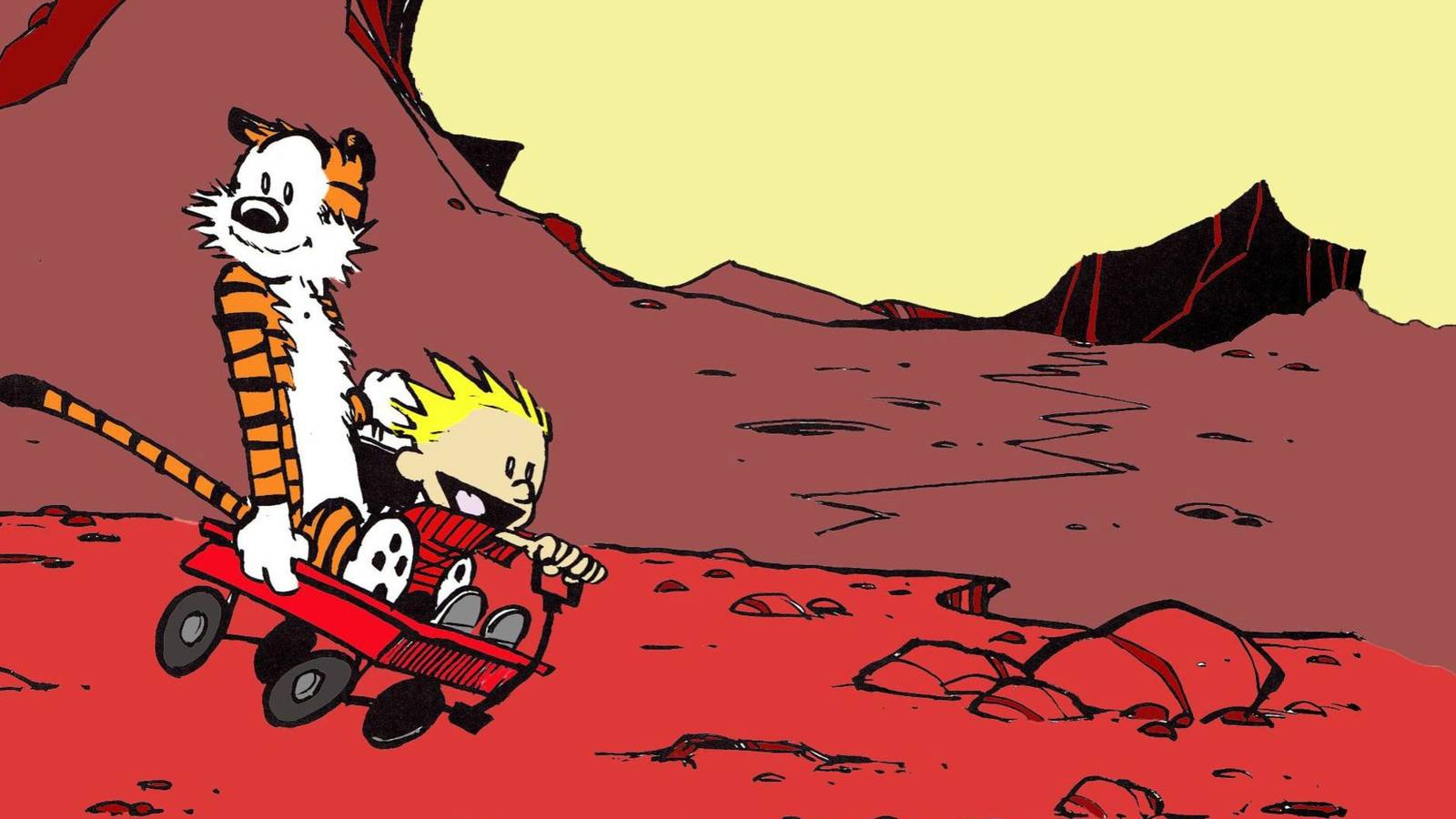
Published Nov 17, 2026, 11:30 AM EST Shaun Corley has been with ScreenRant for over 5 years, and is currently the Coordinator for PR and Outreach for the Comics Team. 41 years ago this month, Calvin and Hobbes introduced a vital piece of lore that would end up closing out the strip. One of the most beloved comic strips of all time, Calvin and Hobbes entertained readers for a decade, drawn to creator Bill Watterson’s deceptively simple observations on life and love. Launching in November 1985, Calvin and Hobbes told the story of precocious six-year-old Calvin and his best friend Hobbes, a stuffed tiger that only he could hear and talk to. An immediate success, Calvin and Hobbes would become one of the defining American comic strips, ranking alongside other classics such as The Peanuts and The Far Side. Calvin and Hobbes ended in 1995 with one of the most poignant send-offs in comic history, and time has been nothing but kind to it since. Calvin and Hobbes appealed to readers on multiple levels. In addition to the duo’s hilarious antics, Watterson also snuck in deep, philosophical themes, disguised as a simple strip about a boy and his imaginary friend. Calvin and Hobbes’ observations on life ranged from the nature of fate to grief to first love, and 41 years ago this month, Watterson introduced a vital part of Calvin and Hobbes lore, one that facilitates some of the strip’s best moments, including its end. 41 Years Ago This Month, Bill Watterson Introduced Calvin and Hobbes' Most Iconic Item In the November 30, 1985, installment of Calvin and Hobbes, readers see the boy’s wagon for the first time. In the four-panel, black and white strip, Calvin and Hobbes debate the concepts of fate and predestination, a shout-out to the boy’s namesake: theologian John Calvin. Hobbes is clearly uncomfortable with the ideas, dismissing them as a “scary thought.” The November, 30, 1985 strip was the 13th installment of Calvin and Hobbes. This installment of Calvin and Hobbes is notable for a number of reasons. It was one of the first times the strip dipped its toes into philosophical water. Up until this point, Calvin had been depicted as a bratty, underachieving child, but this strip allowed him to show a deeper side of his personality for the first time. The November 30, 1985, edition of Calvin and Hobbes was a forerunner of what was to come thematically. Up until this point, Calvin had been depicted as a bratty, underachieving child, but this strip allowed him to show a deeper side of his personality for the first time. Yet perhaps the most vital part of the strip is that it introduces Calvin’s wagon. Many of the best Calvin and Hobbes strips depict the two merrily riding around the woods in the wagon. Yet, the wagon does not represent the carefree days of youth as it might seem. Instead, it becomes a (literal) vehicle for the strip’s digressions into philosophy, theology and other heavy issues. Readers in 1985 had no idea what they had just seen. Calvin's Red Wagon Was Vital to Calvin and Hobbes As noted earlier, Calvin and Hobbes ran for a decade, and in that time, Calvin and Hobbes took many rides in the wagon. It would become as synonymous with the strip as Calvin’s runaway imagination, his attempts at dodging dinner, or his teasing of Susie Derkins. Watterson understood that Radio Flyer-style wagons had been a huge part of many people’s childhoods, and he brought one to Calvin and Hobbes, and it changed the strip forever. Using Calvin’s wagon as a way to introduce deep themes into the strip also demonstrated a keen understanding of human nature. Sometimes, the most profound and illuminating conversations and thoughts happen in the quietest moments, such as during wagon rides in the woods with one’s best friend. Calvin and Hobbes was more than just about growing up: it was also about the adult world and how confusing and scary it can be. And when Bill Watterson introduced Calvin’s red wagon in the November 30, 1985, edition of Calvin and Hobbes, he also sowed the seeds of the strip’s eventual end. Ending a decade and a month after it debuted, Calvin and Hobbes’ finale saw the titular duo ride off into the sunset in Calvin’s wagon. The strip was one last, exuberant blast for Calvin and Hobbes, and the wagon introduced 41 years ago this month made it possible.
41 Years Ago, Calvin and Hobbes Introduced the One Detail That Would End The Strip
Full Article
Original Source
Read the full article at Screenrant →KhanList aggregates and links to publicly available news content. We do not host full articles from third-party sources. Always verify important information with original sources.