
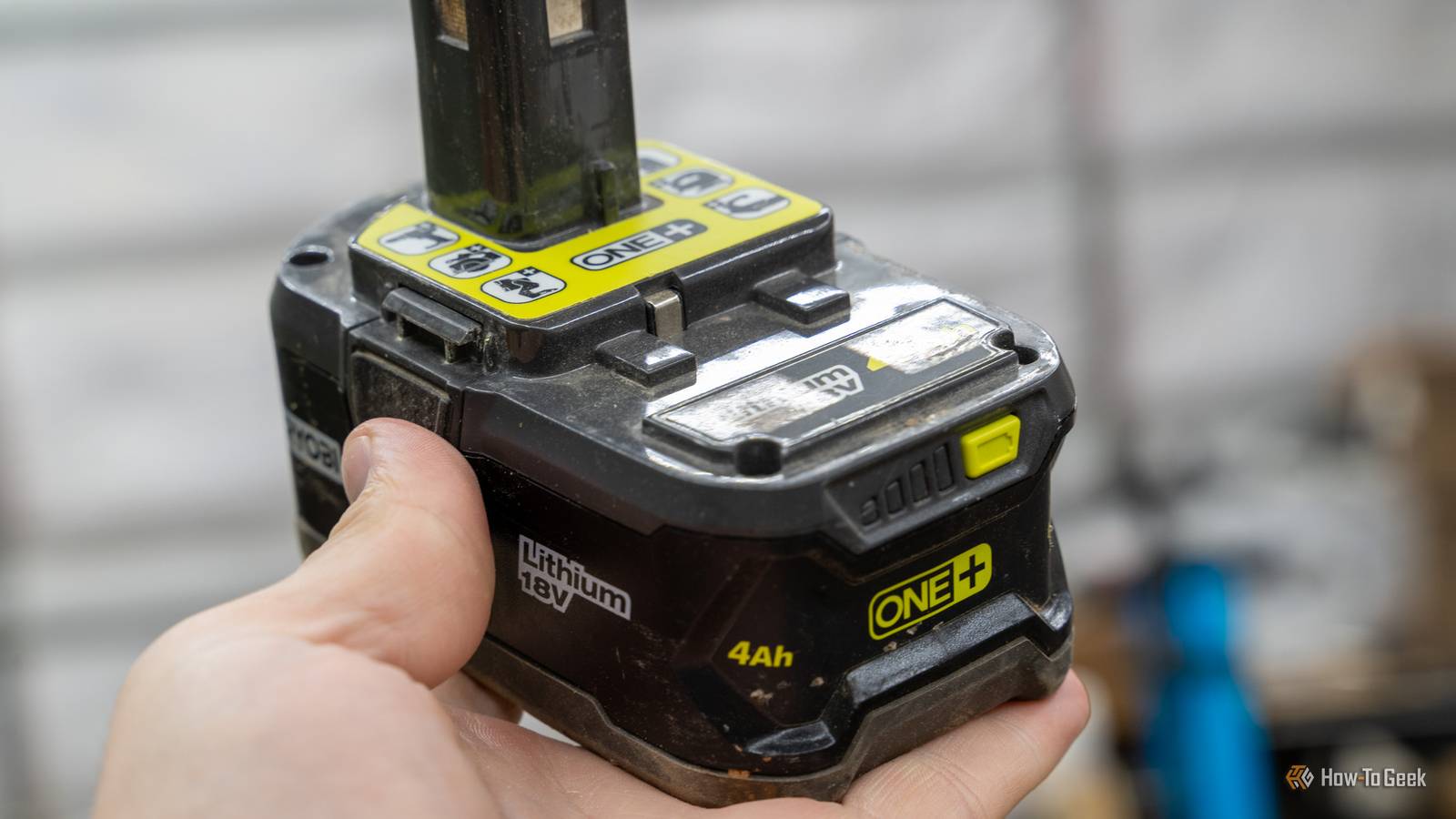
Published Nov 21, 2026, 8:00 PM EST Sydney Butler is a technology writer with over 20 years of experience as a freelance PC technician and system builder and over a decade as a professional writer. He's worked for more than a decade in user education. On How-To Geek, he writes commerce content, guides, opinions, and specializes in editing hardware and cutting edge technology articles. Sydney started working as a freelance computer technician around the age of 13, before which he was in charge of running the computer center for his school. (He also ran LAN gaming tournaments when the teachers weren't looking!) His interests include VR, PC, Mac, gaming, 3D printing, consumer electronics, the web, and privacy. He holds a Master of Arts degree in Research Psychology with a minor in media and technology studies. His masters dissertation examined the potential for social media to spread misinformation. Outside of How-To Geek, he hosted the Online Tech Tips YouTube Channel, and wrote for Online Tech Tips, Switching to Mac, and Helpdesk Geek. Sydney also wrote for Expert Reviews UK. He also has bylines at 9to5Mac, 9to5Google, 9to5Toys, Tom's Hardware, MakeTechEasier, and Laptop Mag. A big part of why battery-powered power tools are both popular and practical these days comes down to the battery technology that makes it all possible. Packs from companies like Ryobi have a lot of oomph, which is why inventors, tinkers, and makers have realized these (relatively) affordable and easy-to-find batteries can be used for so much more. Silent, but deadly Credit: Netcamprojects via Hackster.io This project on Hackster.io by Netcamprojects caught my eye because of how impressive the final result reportedly is. Using a single 6AH Ryobi, this maker was able to get 1.7MPH with a range of five miles per 6AH pack. The rest of the major components include an Arduino UNO, a motor, and various electronic components. So, big whoop. Why not just buy an existing trolling motor? Well, as Netcamprojects explains, the design of most commercial trolling motors for kayaks is incredibly inefficient. It wastes battery power as heat instead of mechanical energy. At low speeds in particular, these commercial motors are only 25% efficient because speed control is done using resistors. This design uses PWM (Pulse Width Modulation) to control the speed, which Netcamprojects claims is 98% efficient at all speeds. In turn, you don't need big, heavy batteries in your kayak, just one or two of these lightweight Ryobi units. Power a model railway in your back garden That's one way to be a model citizen Credit: Bill Stanley When my editor, Tim, asked me to go see what people were doing with their Ryobi batteries, his only note was "No boring stuff, all gas." Unfortunately for Tim, I'm on the autism spectrum, and so model trains are always going to be in my "not boring" column. Which is why this submission by Bill Stanley to The Garden Whistle large-scale model train newsletter, hosted on bigtrainoperator.com with its awesome '90s web page aesthetic, was quite a find. You see, it turns out people are using Ryobi batteries to power their G-Scale (Garden-scale) model trains. That's when someone has a mondo model train in their garden. Big enough for a pet cat to ride. Using a 3D-printed Ryobi portable power clip, Bill created a battery car and, as I've never really looked into the specifics of large-scale outdoor model trains, I've now come to realize that using Ryobi batteries isn't uncommon in this hobby. For example, in this Facebook discussion, people note how well they work and are getting up to three hours of train operation on a single battery charge. Build an electric go-kart from a dead hoverboard and some DIY tubing Gotta go fast! Credit: Mario I. Arguello You may recall a plague of "hoverboards" with poor battery safety and a tendency to burn down the odd house here and there, but it turns out if you replace those batteries with ones from Ryobi and repurpose the motors, you can make some sick electric go-karts. The ones you see above were shared by Mario I. Arguello on DIY Go Karts, where he uses pipe conduit, steel tubing, and other simple components, along with two Ryobi batteries wired in series to provide 36V. If you search for "electric go-kart with Ryobi battery" on YouTube, you'll find plenty of examples of people doing this. I'm sure there are plenty of truly wild ones that no one posts about, other than perhaps on HOA Facebook groups. Use it as the beating heart of a cyberdeck When you don't want your chooms to think you're a corpo Occasionally the geek world goes a little cyberdeck crazy. Now that we have 3D printers, microcontrollers, SBCs, and cheap LCD screens you can order from AliExpress or a similar site, it's no surprise people are bringing these fictional cyberpunk computers to life. But how to power it all? The boring answer is to use a commercial power bank, but as this Redditor above spotted, some people use a Ryobi battery to keep the whole thing running. To me, that feels closer to the scrappy spirit of cyberpunk, and it also means your cyberdeck will probably run for a long, long time. Don't try this at home! High-energy lithium batteries are dangerous even when you use them correctly. Just ask all those people who had their houses burn down due to faulty hoverboard batteries! So, unless you know exactly what you're doing, don't repurpose batteries like these for wacky projects. Consider that an 18V Ryobi battery can have anything between 24Wh and 216Wh depending on the model stored in it. That's a lot of juice to direct where it shouldn't go! We like people who make things and tinker, but always have some common sense.
4 wild things people are powering with spare Ryobi batteries, from kayaks to go-karts
Full Article
Original Source
Read the full article at Howtogeek →KhanList aggregates and links to publicly available news content. We do not host full articles from third-party sources. Always verify important information with original sources.