
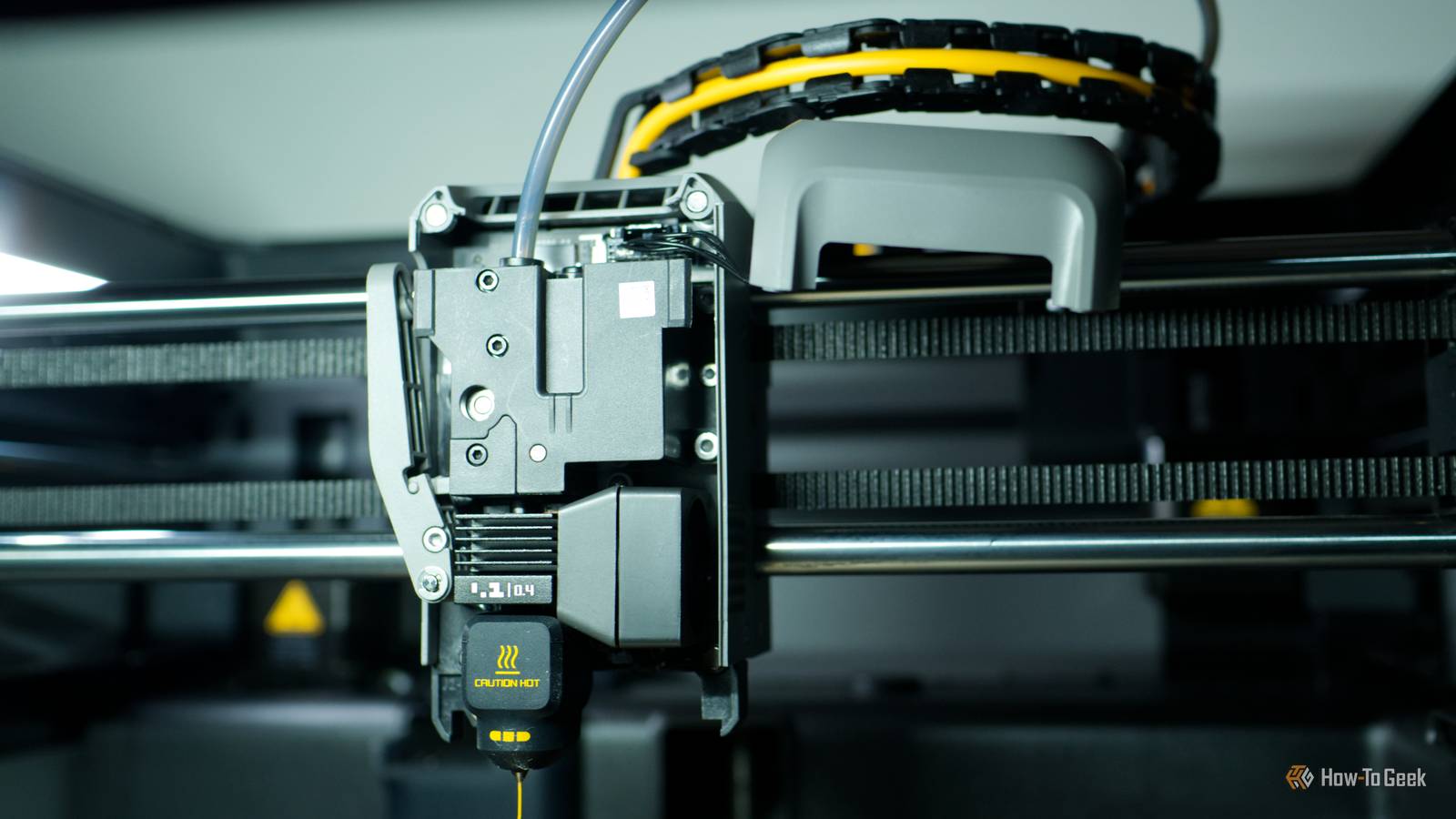
Published Oct 28, 2026, 6:00 AM EDT Tim has been covering technology for almost 20 years, in that time spanning a broad range of topics from security to product reviews. He is especially focused on the Apple ecosystem, productivity, and consumer advice. Over the years Tim has written thousands of articles, reviews, and round-ups in addition to producing video content and original photography. A graduate of journalism, he found his footing as a freelancer with a laptop and loves how he is able to work from practically anywhere. Now a Senior Editor for iPhone, Mac, and Smart Home at How-To Geek, Tim still loves to write. He can also be found crafting round-ups and productivity posts for the Zapier blog. Earlier in his career Tim spent nearly a decade as a writer and eventually Apple section editor for MakeUseOf. Tim currently lives in Brisbane, Australia. Outside of work he loves to hike and work out, play video games, and spend quality time with his wonderful partner and two cats Inka and Roger. 3D printing can be fun, practical, and all-consuming. It can also be incredibly annoying, both to deal with and on a higher level. Here are some things that really irk me about this hobby, and I bet they annoy you too. Supports They ruin a good print Supports are a necessary evil in 3D printing due to the way that 3D printers build models layer by layer. For supported shapes, like a square, this is easy. But for prints that feature overhanging elements, like the arm on a figure, supports are a necessary evil. These quite literally support the model with a disposable structure that’s usually made of the same filament you’re printing with (though it doesn’t have to be). The supports themselves are discarded as waste once the model has finished, so they cost you filament to produce. You can reorient your print on the bed to minimize supports, but this isn’t always the best way to print an item. This is especially true if you’re trying to print an object in a manner that aligns the layer lines in the strongest orientation for your desired use. The part that annoys me the most, however, is removing supports. This is an often arduous task of carefully snipping away at your object with flush cutters or pulling at loose bits of filament with needle-nose pliers. These supports don’t always come off cleanly, and even when they do, you’ll be left with a pock-marked surface on your model that spoils the finish. Thankfully, there are some neat tricks for dealing with supports that you can use. This includes baking supports into your model in a manner, as is the case with fin supports. The AI slopification of 3D printing It’s taking over Credit: Sydney Louw Butler / How-To Geek / MidJourney Slop is starting to feel like an overused word, but it’s not used without merit. Whatever you do for fun, you’ve probably noticed that AI has had something of a deleterious effect on your hobby. In the 3D printing world, the attack has come on multiple fronts. AI-generated models have flooded repositories over the past year since the tools necessary to make them have become more accessible. You don’t need to pay for premium services anymore; you can run models locally on your own machine. They’re low effort, they produce sub-par objects, and they’re a world away from models that have been crafted by hand when it comes to practical solutions. Another problem that muddies the waters when hunting for models is the prevalence of AI-generated images in model listings. It can be hard to trust a download when you’re not sure if the image you’re staring at is real or not. Both of these problems are compounded by the constant barrage of promotions for associated tools, from services like Meshy to “STL to image” generators. The hobby’s association with junk If I see one more articulated dragon... Credit: Kmart Australia 3D printing has an image problem, and a lot of it comes down to articulated dragons. Vendors with 3D printers are taking over farmers’ markets and other creator spaces that are traditionally associated with handmade goods. It’s not a great look, and you don’t need to go far to find someone complaining about it (nice to meet you). You should print what makes you happy, and you should responsibly recycle anything you no longer need. But I’d argue we all have a responsibility to minimize waste. The problem is so bad now that you can find this junk in “proper” retail stores, and it’s so shoddily made that it poses a choking hazard. The FOMO I feel every few months It’s a me problem Credit: Patrick Campanale / How-To GeekCredit: Patrick Campanale / How-To Geek 3D printing took a while to get started, beginning as a niche hobby for the curious and committed. Defunct brands like MakerBot kept the fire warm before Creality’s Ender 3 became the 3D printer of choice for beginners. Later, Bambu Lab entered the market and changed the game with easy-to-use printers that have ruled the roost ever since. It took around two decades to go from kits that you assemble yourself to printers that take care of leveling and calibration for you. Now we’ve entered a new stage of printer refinement. I bought a Bambu Lab P2S in early 2026, and two (!) months later the more capable X2D landed for only an extra $100. It added some very nice-to-have features like a secondary nozzle, heated chamber, and improved belts. A few months later, Bambu Lab launched the A2L. Despite being a different class of machine, it enables massive build volumes for larger prints that would typically require higher-end machines like the H2 series from Bambu Lab and Prusa’s XL series. There’s also a constant stream of 3D printing-adjacent arrivals like laser engravers and 3D scanners. 3D printers are undergoing constant tweaking and improvement at a rate we’ve not seen before. It’s important to remember that the existence of new machines doesn’t make your old machine any less capable. Anyone who buys the hot new thing knows that there’s only so long before something better comes along. That said, I sympathize with your feelings of FOMO. One thing that makes me love 3D printing is all the practical solutions and time-saving hacks the hobby enables. Here are some ways you can use a 3D printer to make household chores easier or repair things around the home.
4 things I hate about 3D printing
Full Article
Original Source
Read the full article at Howtogeek →KhanList aggregates and links to publicly available news content. We do not host full articles from third-party sources. Always verify important information with original sources.