
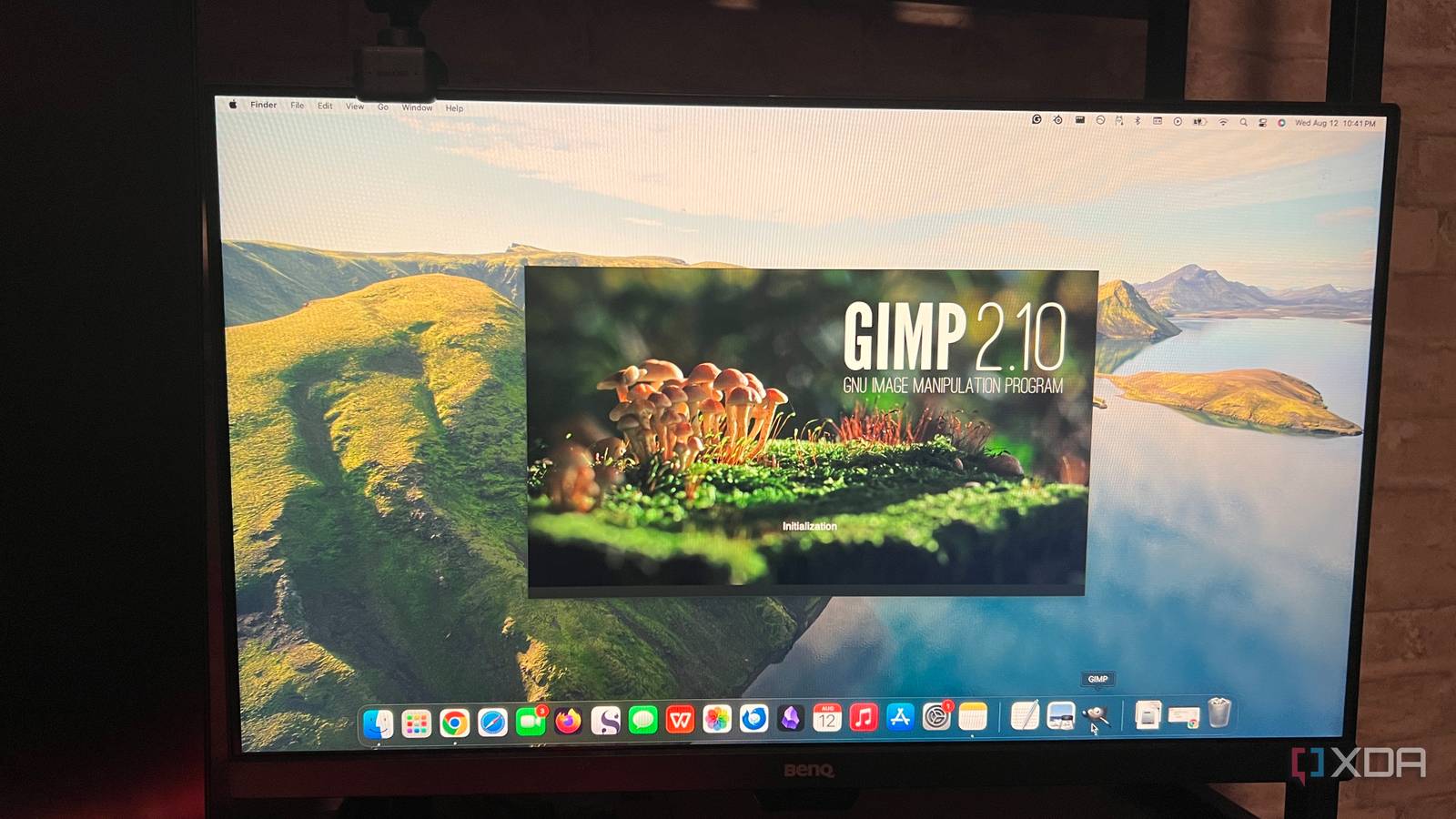
Published Aug 18, 2026, 4:00 PM EDT Patrick is a seasoned writer with more than a decade of experience, specializing in any and all things tech. His work has been featured on platforms like CNET, Yahoo, Xfinity, and many other outlets. When not typing away, he can be found with his nose in a book. Every time I turn around, it seems like something else has gone up in price. Netflix seems to have embarked on a quest to make streaming as unaffordable as cable, and even my garbage company emails me every few months about raising rates. One part of my life that doesn't have to suffer from increased prices is software, though. While there are plenty of services I am more than happy to pay for (and do, such as Obsidian Sync), others have self-hosted alternatives that do the job in no more than a few minutes of your time. I can almost guarantee that there's a self-hosted alternative to most of the apps you use on a daily basis. You don't need an expensive, intricate homelab to run these, either. You can do it right from your personal computer, and all it takes is a little tech savvy. Stop paying for Photoshop. Use GIMP instead It has all the features and none of the cost Adobe Photoshop has reigned as the go-to photo editor for years. While many people know about GIMP, the app has a lot of controversy surrounding it. Some critics claim its interface is too confusing, and while I agree it takes some getting used to (especially if you're coming from Adobe), it's no more of a stretch than adapting to any other software. GIMP is free, open-source, and can be self-hosted inside Docker and easily accessed via your browser. There's also a desktop version if you'd rather go that route. Compared to the $120 per year you'd pay for even the most basic Adobe Creative Cloud plan, GIMP is an easy way to cut costs. There are a few differences between it and Photoshop, but it essentially has feature parity in every way that matters. Forget Dropbox and sign up for Nextcloud Same storage, no bill I'll be the first person to champion redundant backups and cloud saves, but you don't have to pay a yearly subscription for them. Dropbox's $10/month plan isn't that expensive, but you can easily set up your own Nextcloud service that does everything Dropbox does, and the only thing you pay for is storage. Of course, you're limited by what your system offers (and hosting Nextcloud on your home PC is, well, no different than having a second copy of the file on your drive). You'll want a dedicated storage solution, and if you don't want to pay for the hardware to set up a NAS or something similar, a private server might be more cost-effective. Dropbox has a free tier, but the storage it offers is negligible. Dropbox Plus is $10 per month and offers only 2TB. While that's respectable, it's not enough for many people. Drop expensive streaming services and pick up Jellyfin One server to rule them all Jellyfin has become one of the most-used apps in my home, largely because it has replaced Netflix, Hulu, Disney+, and a slew of others. If you're familiar with Plex, Jellyfin offers all the same features without gating things behind a Plex Pass subscription. Jellyfin hosts my media library, and I can stream it from any screen at home or away. It can replace Spotify, too; Jellyfin is an excellent music host, and there are a slew of plugins that allow you to customize it any way you like. It's usually better to have a separate machine to host a Jellyfin server, but a mini-PC or even a Raspberry Pi with a connected NAS will do the job just fine. Compared to spending $15 or more per month per streaming service, Jellyfin is completely free to use. Set up a reverse proxy, and you can access it from outside your home, too. Sure, you need to provide the media yourself, but most of us have large collections of digital media just waiting to be queued up. Immich is a better option than Google Photos A familiar interface with better control and privacy Google Photos once offered unlimited storage. These days, every photo you store counts against your total storage. With Google One, you're looking at $2 per month for 100GB of storage. The prices go up from there. Immich is a nearly identical clone of Google Photos that offers many of the same features, including facial recognition, automatic backup, and even a similar timeline view. You'll have to provide the storage, of course, but a NAS will pay for itself in a few months, especially if you're storing multiple TB of images. Subscriptions are expensive, but self-hosting only needs time Self-hosting not only saves money but gives you better control over your apps. You set limits on exactly who and what can access your data. If you're privacy-minded, it's a win-win. If you're budget-minded, it's a win-win. The only downside is that self-hosting can be intimidating at first, but there's plenty of documentation (and a whole lot of YouTube videos) to guide you through even the most complicated processes.
4 self-hosted alternatives to apps you're still paying for every month
Full Article
Original Source
Read the full article at Xda-developers →KhanList aggregates and links to publicly available news content. We do not host full articles from third-party sources. Always verify important information with original sources.