
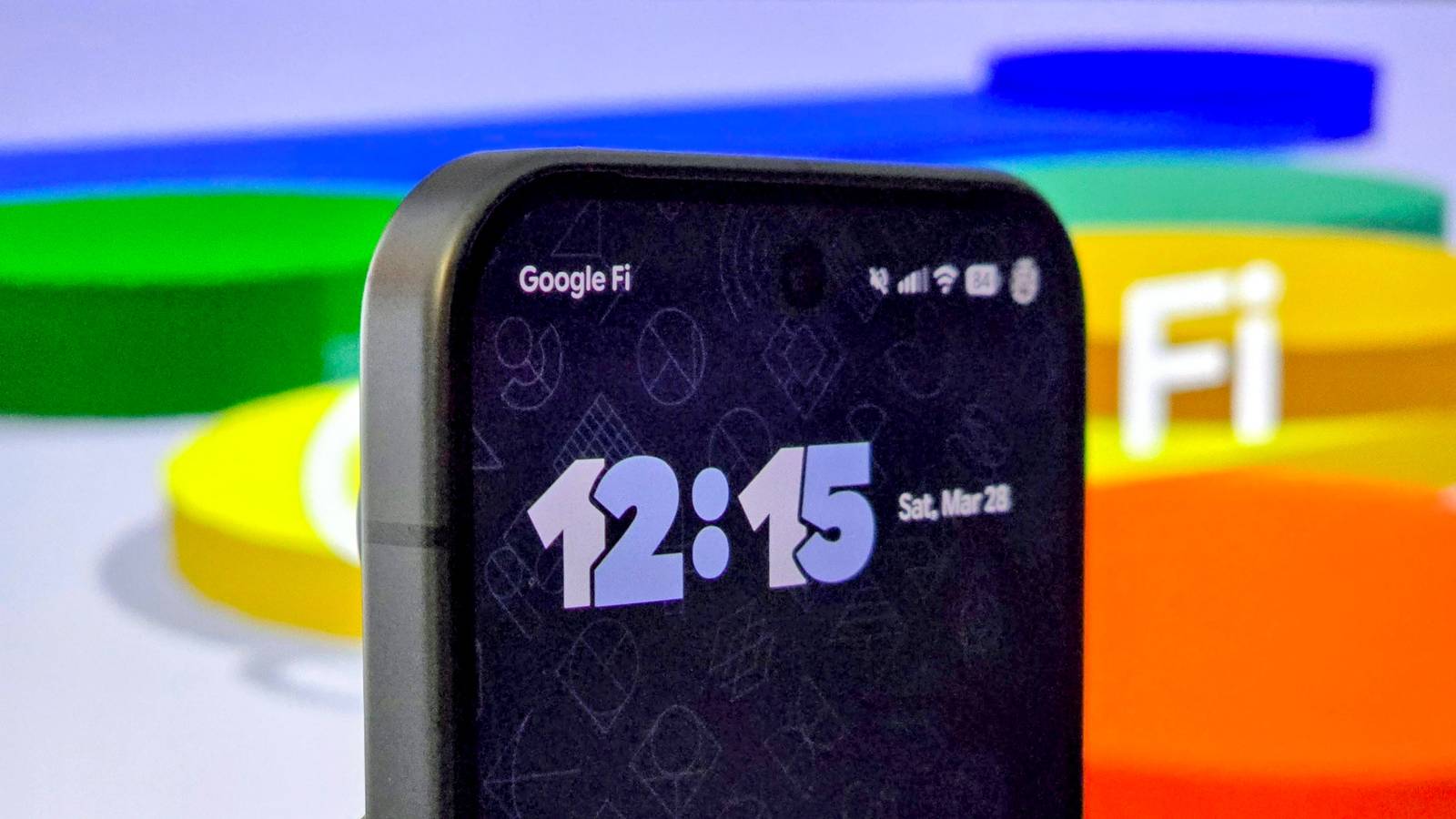
Published Oct 6, 2026, 3:00 PM EDT Andrew Heinzman is a seasoned tech writer with over half a decade of experience. He specializes in delivering insightful tech news and detailed product reviews, particularly focusing on audio and video technology, as well as computers and smartphones. His journey in tech writing includes a two-year stint as the News Editor at Review Geek, the former sister site of How-To Geek. Throughout his career, Andrew has consistently provided readers with valuable insights and up-to-date information on the latest developments in the tech world, earning recognition for his clarity, depth, and relevance. In his free time, Andrew likes to explore music and read books, just as he did when earning his bachelor's degree in English literature. Most people overpay for cellular service. There's really no reason for a homebody to burn $75 a month on a postpaid unlimited plan when they could get comparable prepaid MVNO service for $20. Still, MVNOs come with some downsides, and these downsides regularly convince people to stick with postpaid service even though they know it's grossly overpriced. MVNOs don't own their own spectrum. Instead, they purchase coverage from the big three carriers—Verizon, T-Mobile, AT&T—and sell that service to customers who are unsatisfied with (or unable to sign up for) postpaid service. So, naturally, corners are cut in order to keep pricing favorable. But these cost-cutting efforts can vary wildly depending on whatever demographic the MVNO is targeting. Consumer Cellular is a good example; it aims for a senior demographic, so it prioritizes in-person customer service over other aspects of its business. In other words, this article covers a lot of generalizations that may not align with your personal experience. Deprioritized service If postpaid is first class, prepaid is coach As an MVNO customer, you may find yourself left with the table scraps of available spectrum. Your LTE speeds crater when you're in a populous area, like a shopping center, a live event, or even a college campus. The "big three" carriers only have so much spectrum to offer, and they aren't going to prioritize prepaid MVNO customers when divvying it up. But this isn't always an issue. If you're in a rural area without too many people, there might be plenty of spectrum to go around, so you never experience a sudden downgrade in service. This is especially true if you never visit crowded areas or go to big events, such as football games or concerts. And, to be fair, postpaid customers are also forced to compete for spectrum. Someone with an expensive postpaid plan may have terrible service at a football game, they just don't encounter it as quickly as the prepaid customers do. Plus, with Wi-Fi being as ubiquitous as it is, a sudden downgrade in cell service isn't the end of the world. It's usually just an annoyance. Unlimited data, limited speed Data caps still exist, they're just less annoying Several MVNOs offer unlimited data plans at relatively low prices. But data caps haven't completely gone away, as MVNOs often place very strict limits on the amount of high-speed data you can use within a given month. The amount of money you pay for service will usually determine when a high-speed data cap kicks in. Google Fi knocks you down to 256 kbps speeds after you exceed 30GB, 50GB, or 100GB, depending on your plan, for example. (Though it's worth noting that some MVNOs, such as Mint Mobile, simply deprioritize customers once they go beyond a 50GB data allotment, meaning that speeds only get worse in congested areas.) MVNOs also tend to limit video quality to 480p regardless of whether you've hit your high-speed data cap. This saves the MVNO a ton of money and frees up available spectrum. But more importantly, it prevents you from burning through your high-speed data allotment. Postpaid plans also throttle video, just to a less extreme extent. Uncompressed video usually requires a high-end postpaid plan. Poor customer support Plus a shortage of brick and mortar locations A lot of people don't realize that you can buy and activate a smartphone without ever walking into a carrier store. So, when they start researching MVNOs, they get a little flummoxed. Most of the big names do not have retail locations. If you've never bought an unlocked phone before, or if you've never fussed with a SIM card (or eSIM, which is grossly unintuitive sometimes), the lack of customer support and hand-holding can be kind of daunting. It can also be difficult to resolve issues with MVNOs. They usually offshore their call centers to save money, and the inability to go face-to-face with somebody knowledgeable can be frustrating. The prepaid setup kind of takes the sting out of this, as it's very easy to move on from an MVNO, but bad customer support can extend the amount of time you waste trying to solve any problems that crop up. Realistically, if you're comfortable buying your own phone and activating it at home, customer support isn't super important. And some MVNOs do have retail locations because they know that it appeals to whatever demographic they're targeting. But high-quality customer service comes at a price, such as a higher bill, more aggressive retail tactics (like phone financing and upsells), or less-generous cellular speeds. Limited perks, limited financing Some people see this as an upside Postpaid carriers use free perks, generous financing options, and crazy trade-in deals to lock in customers. Some people argue that this stuff is predatory, while others feel that they benefit from it. At times, it's hard to argue with the perk-loving customers. A free Netflix Premium subscription with your $75 monthly plan is kind of like a $27 discount each month. You need to open a new line for your teenager anyway, why not get a free phone with it? And a 36-month 0% payment plan on a new iPhone after a $700 trade-in discount is a steal, provided that you can afford the payments and the cell service. You don't get these perks with prepaid cellular plans. Or, at the very least, there are major caveats. Metro by T-Mobile will give you an Amazon Prime membership for free, but only on its $60 monthly plan. Google Fi offers 24-month financing, but it only sells Android phones. If you're a perk-obsessed postpaid customer, switching to prepaid service might feel more expensive to you, especially in upfront costs. Though there are two important things to point out: retailers like Best Buy, as well as phone brands like Apple or Samsung, offer trade-in deals and financing without locking you into a phone plan. And, importantly, you probably aren't using all of the perks that you're paying for on your postpaid plan. A lot of people collect perks they'll never use, it's a very common habit. Do your research and you should be fine The biggest upside to MVNOs, aside from pricing, is choice. You can quit your prepaid plan at any time and port your number to a different provider without much trouble. But, ideally, you'll do your research and pick out a perfect MVNO from the get-go. I suggest making a mental list of the things you care about most. If you need good customer support, prioritize that when choosing an MVNO. You should also look into coverage maps to ensure that you won't be stuck with terrible service every time you visit your rural family members, or the mall that's in a neighboring town, for example.
4 hidden trade-offs you make when you leave Verizon, AT&T, or T-Mobile
Full Article
Original Source
Read the full article at Howtogeek →KhanList aggregates and links to publicly available news content. We do not host full articles from third-party sources. Always verify important information with original sources.