
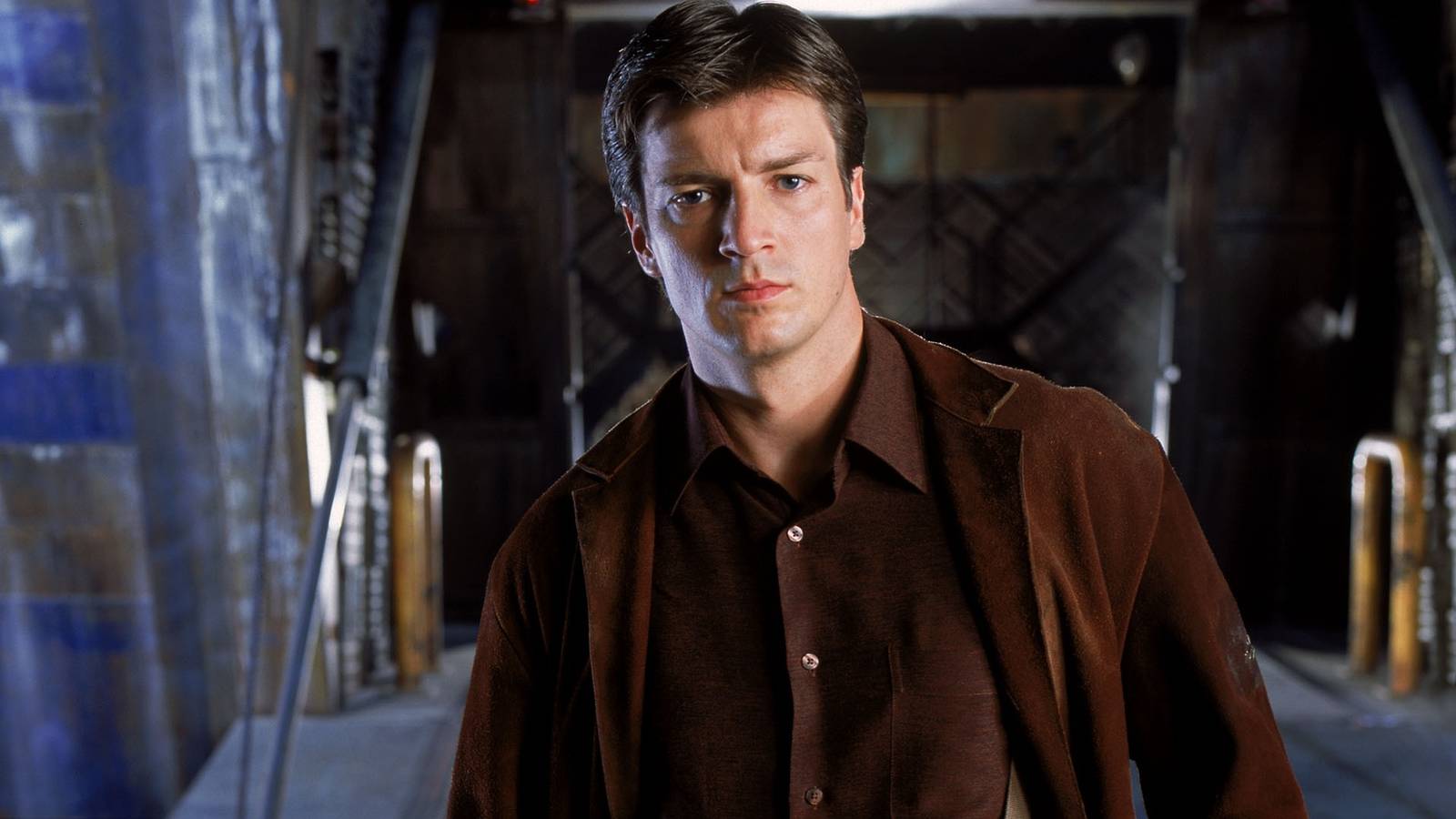
Published Aug 18, 2026, 6:32 PM EDT Ben Sherlock is a Tomatometer-approved film and TV critic who runs the massively underrated YouTube channel I Got Touched at the Cinema. Before working at Screen Rant, Ben wrote for Game Rant, Taste of Cinema, Comic Book Resources, and BabbleTop. He's also an indie filmmaker, a standup comedian, and an alumnus of the School of Rock. Star Trek was decades ahead of its time. During a particularly fraught period in the political landscape, amidst the Civil Rights Movement and the Cuban Missile Crisis and the Red Scare, Gene Roddenberry imagined a utopian future in which all the peoples of Earth had come together to explore the cosmos as one unified front. Star Trek had Russians and Americans on the same crew; it put a Black woman in a position of power and treated her as an equal to her crewmates. All these years later, that utopia still eludes us, but it’s a vision we can still look up to, and aspire to. Suffice to say, a show with such radically progressive values was not an easy sell in the 1960s. Networks were terrified of offending advertisers, and censors were terrified of offending the TV viewing public, so writers like Roddenberry and Twilight Zone creator Rod Serling could only explore timely issues and poignant social commentary through sci-fi allegories. When Roddenberry was shopping Star Trek around town, he originally pitched it as “Wagon Train to the stars.” It would take the basic premise of Wagon Train — a closeknit group of people traveling into the great unknown together — and plant it in outer space. Instead of encountering different territories and homesteads, this group of characters would go to different planets and encounter different alien cultures. That logline has become as famous as Breaking Bad’s “Mr. Chips to Scarface” analogy, but the actual series doesn’t feel all that much like “Wagon Train to the stars.” It only feels like a western in very broad strokes, and borrows just as much from action-adventures, military dramas, and political thrillers, and it even did a 1930s gangster movie in season 1. Firefly, released a whopping 36 years after Star Trek changed the game for sci-fi on television, felt a lot more like “Wagon Train to the stars” than Star Trek ever did. Firefly Is A Space Western In The Truest Sense Firefly was sent out to die on the Fox network in 2002. Joss Whedon created one of the greatest sci-fi shows of all time — a unique vision with a lovable cast of characters, a fascinating mythology, and an intoxicating genre mashup — and all Fox executives had to do to make it a hit was release it to their viewers. And, of course, Hollywood being Hollywood, they found a way to mess that up. Fox aired Firefly’s episodes out of chronological order, so even viewers who were following the show week to week had absolutely no idea what was going on. Whedon and his writers set up their world and their cast of characters very specifically over the course of that debut season, but you have to watch the episodes in order to appreciate that. That’s why Firefly has been a lot more successful on streaming than it ever was on traditional television — you can actually watch it in the order it was meant to be seen. Firefly has been compared to a lot of things: Nathan Fillion’s roguish protagonist, Mal Reynolds, is a play on the Han Solo archetype, and the premise of gunfighting misfits soaring through a lawless galaxy made the show feel like a live-action Cowboy Bebop (and a much more satisfying one than the official live-action remake). But the closest comparison, I’d argue, is Star Trek’s old elevator pitch. Firefly adheres to Star Trek’s “Wagon Train to the stars” logline much more literally, taking all the tropes of an old-school TV western — a lawless frontier, a post-civil war setting, gunslingers, train robberies, the works — and putting them in space in the future. Roddenberry used “Wagon Train to the stars” to sell Star Trek to a network and make the show he really wanted to make, but Whedon actually made “Wagon Train to the stars.” Firefly 8/10 Release Date 2002 - 2003-00-00 Network FOX
36 Years Later, Firefly Beat Star Trek At Its Own Game
Full Article
Original Source
Read the full article at Screenrant →KhanList aggregates and links to publicly available news content. We do not host full articles from third-party sources. Always verify important information with original sources.