
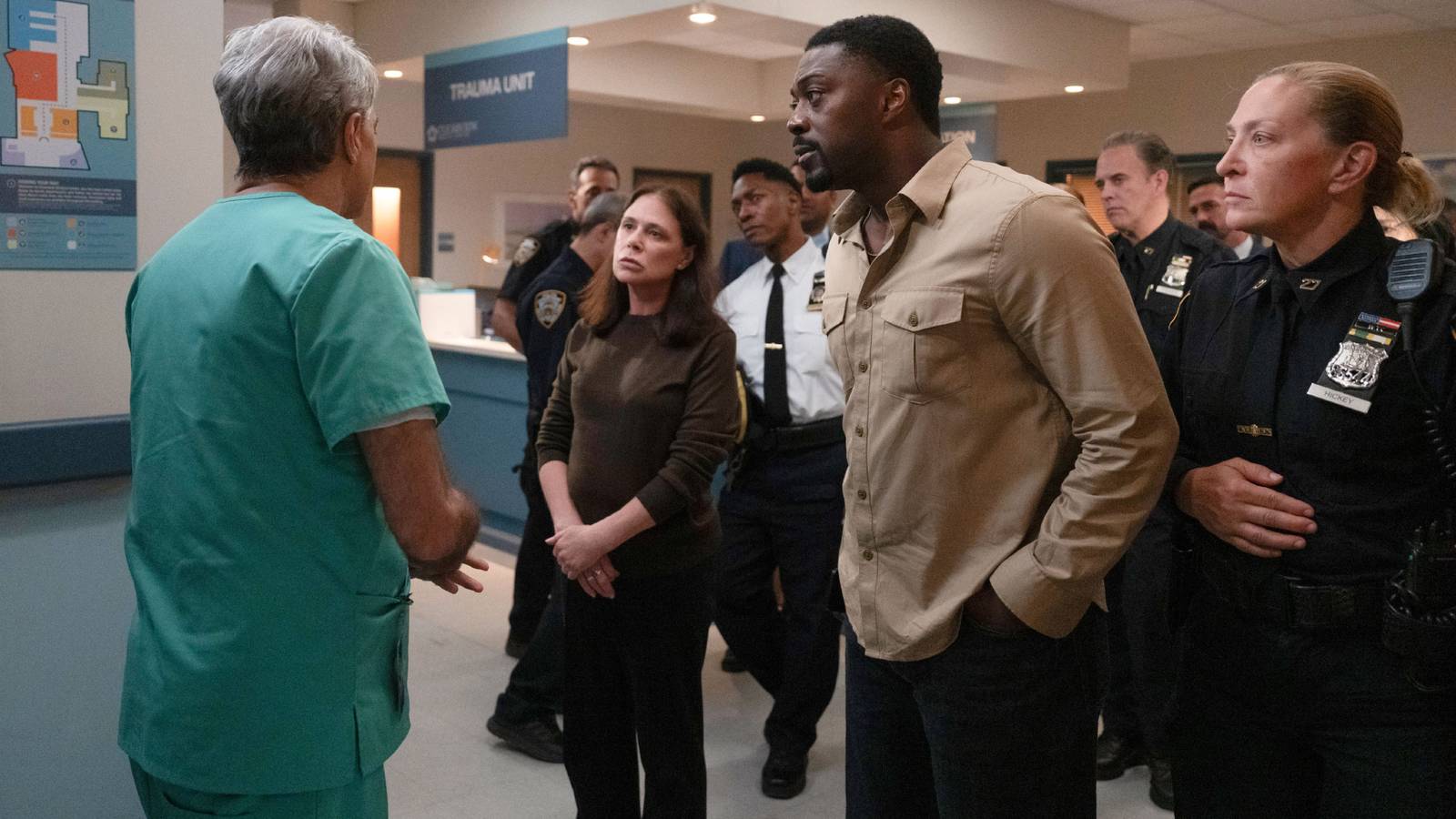
Published Oct 18, 2026, 11:15 AM EDT Mads Misasi is a part-time entertainment journalist and full-time marketing content creator. Before joining the ScreenRant team they wrote for TellTaleTV for 9 years working their way up from contributor to Associate Editor. TV has been a passion of theirs since a very young age. Mads typically watches all of the things, especially dramas and sitcoms. Warning! This article contains major spoilers for Law & Order season 26, episode 2. For more than three decades, Law & Order has been one of television's most enduring police procedurals, navigating countless cast changes throughout its lengthy run. While characters have come and gone for a variety of reasons, the series has typically allowed departing detectives and prosecutors to leave with their lives intact. However, the latest episode of the NBC drama has broken from that tradition in a devastating way. Law & Order season 26, episode 2, "Into the Mystic" delivered one of the show's most shocking departures with the death of Detective Vincent Riley (Reid Scott). Although Scott's exit had been announced ahead of the new season, killing his character rather than simply writing him out caught viewers by surprise. The unexpected development marks a significant moment for a series that rarely resorts to killing off its principal characters. Interestingly, this isn't the first time Law & Order has taken such a dramatic approach to an established character's departure. In fact, Riley's death bears a striking resemblance to the fate of Detective Max Greevey (George Dzundza), whose murder at the beginning of season 2 helped establish the show's willingness to confront the dangerous realities of police work. By revisiting a storytelling decision from 35 years ago, Law & Order has reinforced an important aspect of its identity. Despite the familiarity and comfort that watching these detectives solve cases brings each week, their profession carries considerable risks. Riley's tragic fate serves as a reminder that even the characters audiences have grown attached to aren't guaranteed to survive. Vincent Riley's Shocking Law & Order Exit Explained NBC Universal Law & Order season 26, episode 2 wastes little time delivering its most devastating moment. While investigating a potential lead after hours, Detective Vincent Riley tracks down a man named Ray Biller, whom he believes may be connected to an ongoing case. Before confronting the suspect, Riley attempts to call both his partner, Detective Theo Walker (David Ajala), and ADA Nolan Price (Hugh Dancy), but neither answers. When Riley finally encounters Biller outside a bar, the situation quickly turns deadly. Rather than cooperate with the detective, Biller attempts to flee before turning around and shooting Riley twice in the chest. Walker arrives shortly after and desperately tries to save his partner, but is unsuccessful. Despite being rushed to the hospital, Riley succumbs to his injuries, bringing Reid Scott's three-season tenure on the series to an abrupt and heartbreaking conclusion. Riley's murder understandably sends shock waves throughout the precinct, turning what would ordinarily be another criminal investigation into something deeply personal. Lieutenant Jessica Brady (Maura Tierney) is forced to remove Walker from the case because of his close relationship with the victim. Newly arrived Detective Robert Calvino (James Badge Dale) steps in to help bring Riley's killer to justice. As the investigation unfolds, detectives discover that Biller's actions may have been motivated by a desire to seek revenge against Price. The prosecutor had previously helped put Biller's brother behind bars, where he was recently murdered. Riley's attempts to uncover the connection ultimately placed him in the path of a dangerous man whose intended target may have been someone else entirely. Although Biller is eventually convicted, the resolution offers little comfort to those left mourning Riley. The episode concludes with his name being added to the NYPD Wall of Honor, while his brother Matt (Ryan Eggold) returns to acknowledge his sacrifice. What makes Riley's departure particularly significant is how drastically it differs from the way Law & Order typically handles departing detectives. Rather than transferring him to another precinct or allowing him to quietly retire, the series delivers a permanent conclusion to his story. It's a decision that feels especially striking considering the last detective to meet a similar fate did so at the very beginning of the show's impressive run. Riley's Fate Is Reminiscent Of Max Greevey's From Law & Order Season 2 Longtime Law & Order viewers may recognize the similarities between Riley's tragic departure and the death of Detective Max Greevey (George Dzundza) in the season 2 premiere, "Confession." Greevey was one of the original detectives introduced when the series premiered in 1990, working alongside Detective Mike Logan (Chris Noth). However, his tenure came to an abrupt conclusion when he was murdered outside his home after becoming a target because of his involvement in a grand jury investigation. Like Scott, Dzundza's departure was known ahead of the show's second season. Dzundza chose to leave after season 1, reportedly due to creative disagreements over the show's direction and the demanding production schedule. Rather than simply replacing Greevey and moving forward, Law & Order decided to incorporate his departure into the story through a devastating murder that would have lasting consequences for those who knew him. The similarities extend beyond the circumstances surrounding the actors' exits, particularly in how the deaths affect the surviving detectives. Greevey's murder leaves Logan struggling with grief and anger, ultimately complicating his efforts to bring his former partner's killer to justice. Riley's death creates a comparable situation for Walker, whose personal connection to the victim threatens to interfere with the investigation and subsequent prosecution. Both tragedies also introduce a new partnership under particularly difficult circumstances. Greevey's death leads to the arrival of Detective Phil Cerreta (Paul Sorvino), who becomes Logan's new partner. Similarly, Riley's murder introduces Detective Robert Calvino, who must establish a working relationship with Walker while the precinct is still reeling from the loss. Perhaps the most significant connection between the two characters is their distinction as the only two principal detectives on the original Law & Order to be murdered during the series' run. Despite the show's extensive history of cast turnover, Greevey and Riley stand apart because their departures permanently alter the lives of the colleagues they leave behind. By returning to a storytelling decision first made in 1991, Law & Order demonstrates that the same narrative risks that helped define its earliest seasons remain just as effective 35 years later. Why Major Deaths Are Vital To Law & Order's Storytelling One of Law & Order's defining characteristics has always been its commitment to depicting the realities of the criminal justice system. While the series naturally takes creative liberties for entertainment's sake, its detectives and prosecutors regularly encounter dangerous individuals capable of extraordinary violence. Allowing every major character to escape those encounters unscathed would ultimately undermine the realism that has helped sustain the series for more than three decades. Of course, Greevey and Riley aren't the only principal characters whose stories have ended in tragedy. Assistant District Attorney Claire Kincaid (Jill Hennessy) was killed in a car accident during the season 6 finale, "Aftershock," while ADA Alexandra Borgia (Annie Parisse) was kidnapped and murdered by criminals in the season 16 finale, "Invaders." Although their circumstances were different, both deaths demonstrated that the consequences of violence could extend beyond the detectives investigating crimes. Borgia's murder is particularly relevant because it exposed the dangers faced by prosecutors whose work threatens powerful criminals. Just as police officers risk their lives confronting dangerous suspects, the attorneys responsible for securing convictions can also find themselves targeted. These tragedies remind viewers that the criminal justice system isn't without personal consequences for the people tasked with upholding it. However, what makes these deaths especially impactful is how infrequently Law & Order resorts to killing its principal characters. The series has spent decades proving that compelling television doesn't require constant tragedy or the threat of death hanging over every familiar face. Instead, these occasional losses carry considerably more weight because audiences have grown accustomed to seeing their favorite characters return week after week. Riley's death reinforces that understanding while restoring an element of unpredictability to the long-running procedural. His murder doesn't suggest that every detective needs to fear for their life in each episode, but it does establish that their survival should never be taken for granted. Ultimately, Law & Order is strongest when it acknowledges that the dangers its characters face are more than convenient plot devices, and sometimes those dangers come with irreversible consequences. Release Date September 13, 1990 Network NBC Showrunner Rick Eid Cast S. Epatha Merkerson Lieutenant Anita Van Buren The beginning of the long-running franchise Law & Order is a crime-drama series created by Dick Wolf and launched on NBC in 1990. The series follows the day-to-day lives of detectives and legal professionals in New York who are involved in apprehending and prosecuting dangerous criminals.
35 Years Later, Law & Order Repeats The Story Gambit That Defined Its Legacy
Full Article
Original Source
Read the full article at Screenrant →KhanList aggregates and links to publicly available news content. We do not host full articles from third-party sources. Always verify important information with original sources.