
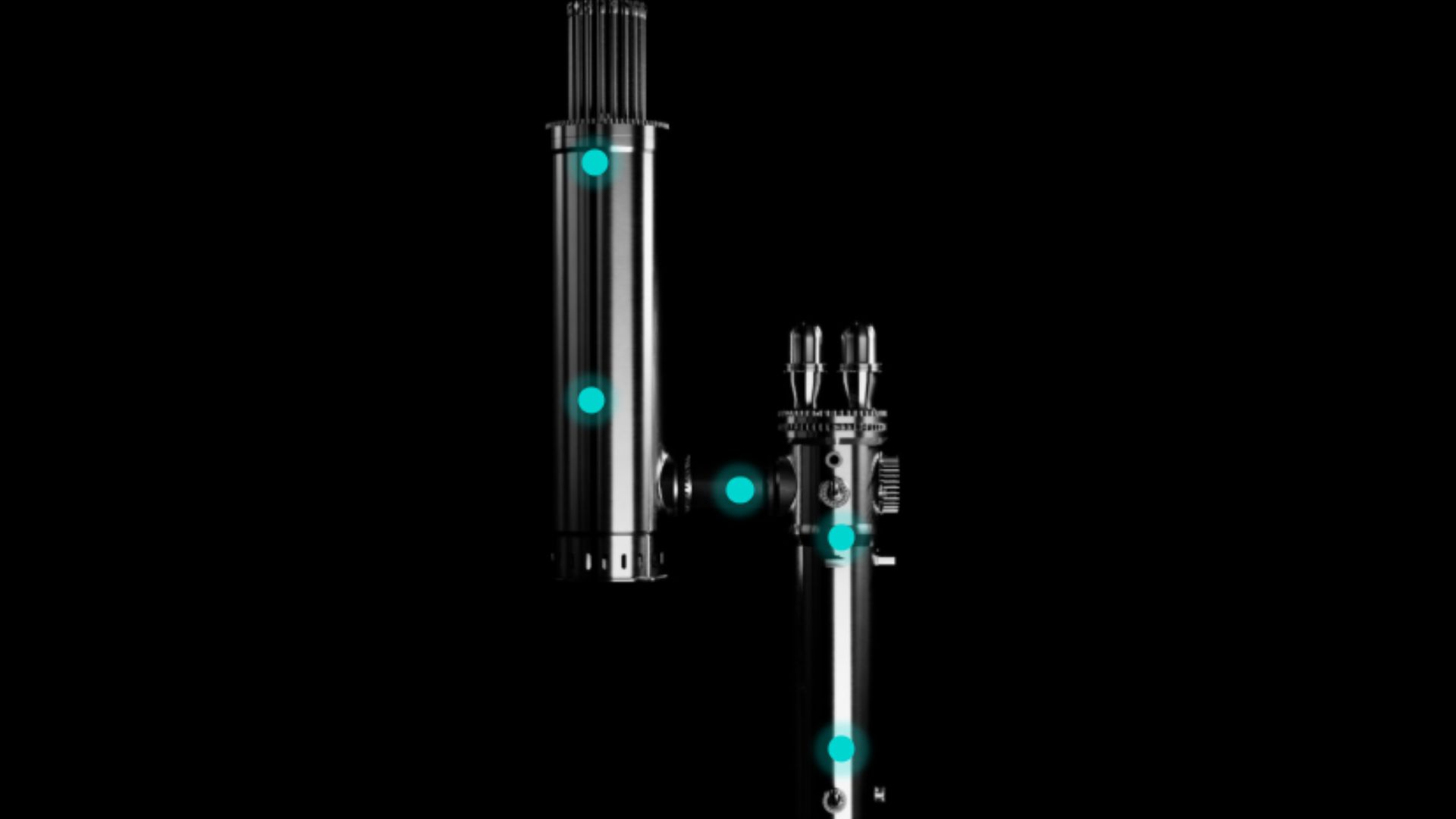
X-Energy’s gas-cooled small modular reactor (SMR) design has received its Final Safety Evaluation Report (FSER) and completed its safety review with the US Nuclear Regulatory Commission (NRC). This clears the path for construction approval of X-Energy’s first plant at the Long Mott Generating Station in Texas. The increasing demand for carbon-free energy is bringing back nuclear power. Modern nuclear power is shifting away from massive, slow-to-build traditional plants toward small modular reactors (SMRs). These factory-built units can be easily assembled to customize a plant’s capacity. US-based companies are leading the charge on small- and micro-scale nuclear reactors that can serve off-grid locations, while also using alternative fuels instead of enriched uranium. Rockville, Maryland-based X-Energy is a developer of SMR and alternative fuel technology that can help deliver carbon-free energy. How does X-Energy’s reactor work? X-Energy’s Xe-100 is a fourth-generation reactor based on high-temperature gas-cooling technology. Featuring a graphite core for neutron moderation, the reactor uses pressurized helium gas as a coolant and can generate 80 MWe of electricity or 200 MWt of industrial process heat, in the range of 1049-1382 Fahrenheit (565-750 degrees Celsius). The Xe-100 uses Tristructural Isotropic (TRISO) fuel, which consists of thousands of microscopic uranium kernel particles inside graphite spheres no bigger than a billiard ball. The uranium in the kernels is 20 percent High-Assay Low-Enriched Uranium (HALEU). Given the nature of the fuel, it can be fed into the reactor while it is online. X-Energy plans to deploy its reactors in a four-pack assembly generating 320 MWe of electricity or 800 MWt of heat. The first plant will be built at the Long Mott Generating Station in Texas, a wholly owned subsidiary of Dow Chemical Company. Dow plans to use the facility’s electricity and steam to power its operations. Regulatory approval Before construction for the facility can begin, X-Energy needs to secure a series of approvals from the US NRC. To this end, the company has engaged with the regulatory body since 2018. Much of the technology used by X-Energy comes from the Department of Energy’s research on high-temperature gas-cooled reactors (HTGRs). The Xe-100 is the first HTGR construction permit application to use the US NRC’s new modernized licensing framework, which is intended to be technology-inclusive, risk-informed, and performance-based. Earlier this May, the NRC completed its environmental impact review and issued the Final Safety Evaluation Report (FSER) after evaluating the nuclear power plant’s design criteria, safety analyses, and risk assessment. The plant is designed with an emergency planning zone of just 1,300 feet (400 m), compared with the 10 miles (16 km) required for conventional nuclear reactors. This allows the facility to be located closer to industrial or residential areas and reduces transmission costs. “Licensing a new reactor is earned through the quality of the application and the rigor of the regulator’s review,” said Dragan Popovic, Chief Global Operating Officer at X-energy in a press release. “The NRC’s completion of its safety review reflects years of disciplined work by our team and the NRC staff, establishing the foundations to support every Xe-100 application that follows on the path to scale.” The Advisory Committee on Reactor Safeguards will issue the construction permit after independently reviewing the NRC’s evaluation. Get the latest in engineering, tech, space & science - delivered daily to your inbox.Ameya is a science writer based in Hyderabad, India. A Molecular Biologist at heart, he traded the micropipette to write about science during the pandemic and does not want to go back. He likes to write about genetics, microbes, technology, and public policy.
320 MW nuclear power plant in US nears construction permit after safety review
Full Article
Original Source
Read the full article at Interestingengineering →KhanList aggregates and links to publicly available news content. We do not host full articles from third-party sources. Always verify important information with original sources.