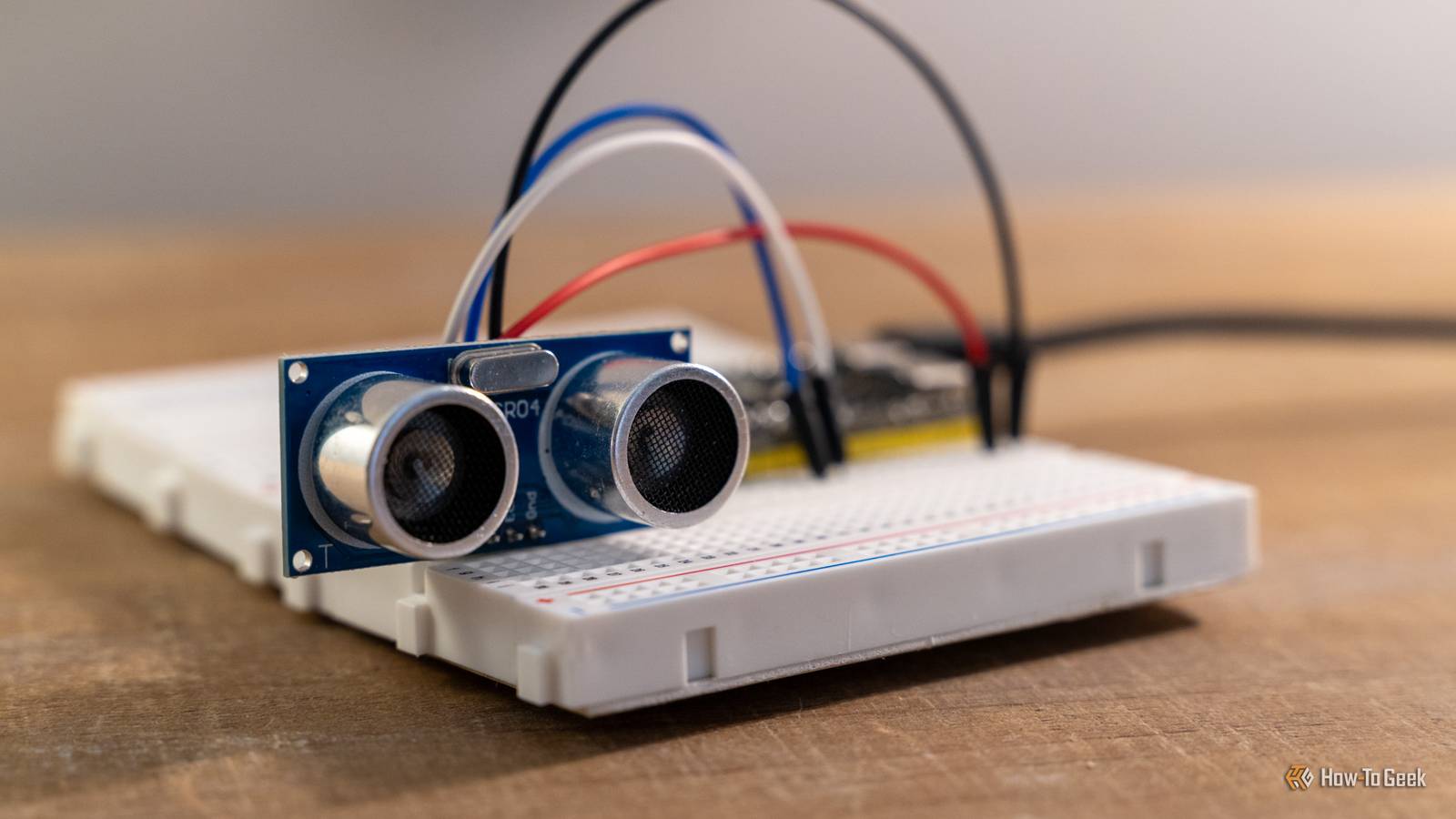
Published Jul 24, 2026, 8:45 AM EDT Tim has been covering technology for almost 20 years, in that time spanning a broad range of topics from security to product reviews. He is especially focused on the Apple ecosystem, productivity, and consumer advice. Over the years Tim has written thousands of articles, reviews, and round-ups in addition to producing video content and original photography. A graduate of journalism, he found his footing as a freelancer with a laptop and loves how he is able to work from practically anywhere. Now a Senior Editor for iPhone, Mac, and Smart Home at How-To Geek, Tim still loves to write. He can also be found crafting round-ups and productivity posts for the Zapier blog. Earlier in his career Tim spent nearly a decade as a writer and eventually Apple section editor for MakeUseOf. Tim currently lives in Brisbane, Australia. Outside of work he loves to hike and work out, play video games, and spend quality time with his wonderful partner and two cats Inka and Roger. For some, ESP32 projects are all about the utility of the end result. For others, the journey of seeing a project through from start to finish and getting their hands dirty is what appeals most. This week we’re looking at projects for your kitchen that satisfy both of these criteria. Seeed Studio XIAO ESP32C3 The Seeed Studio XIAO ESP32-C3 is the perfect budget-friendly microcontroller for smart home projects. With Wi-Fi and Bluetooth built-in, it also features a super deep sleep mode for low power usage when it isn't doing anything. The compact size makes this ideal for building smart home projects, and ESPHome allows it to easily integrate into Home Assistant. Smart trash can with proximity sensor It also detects smoke, temperature, and humidity Smart trash cans are surprisingly expensive to buy. These kitchen aids open and close automatically based on your proximity, which can be helpful when your hands are full. You could naturally opt for the tried-and-tested pedal bin, which removes the need to touch anything, but pedal mechanisms are notoriously flimsy, and the end result is nowhere near as impressive as an IoT Smart Bin that opens and shuts itself. To make a smart trash can, you’ll need a simple ESP32 microcontroller and the Arduino IDE. The build combines an ultrasonic sensor like the HC-SR04 with a servo motor that opens and closes the lid. The build also includes an MQ-2 gas sensor (for smoke detection), a DHT22 temperature and humidity sensor, a simple 16x2 line I2C LCD panel, and a buzzer. You can follow the included circuit diagram to wire everything up (either using a breadboard and jumper cables or a soldering iron and steady hand). Flash the code to the ESP32 and install required libraries, and then set up the Blynk app for remote mobile monitoring. You could make all sorts of changes to the project, like adding lights and additional sensors for gauging the weight of the trash bag, or leave elements like the LCD display and temperature sensor out. Smart LED light strips under your cabinets with WLED There’s nothing WLED can’t do Credit: Philips Hue/Signify WLED is one of the best things you can do with an ESP32. This open-source project combines microcontrollers with NeoPixel LED strips for a fraction of the price of ready-to-go alternatives from companies like Govee. If you can solder a few wires to an LED strip and flash the WLED firmware using a web interface, you can make your own LED strips for anywhere in your home. I’d argue that the kitchen is one of the best places for these lights. LED strips are perfect for lighting up your counters since overhanging cupboards provide ideal mounting points. You could also use them as accent lighting below your counter and against the kickboard, or within cupboards to provide lighting when combined with a contact sensor. WLED integrates natively with Home Assistant too, which provides all manner of additional possibilities. You can link them to smart light switches, have your lights turn on automatically based on presence sensors, or tell your voice assistant to turn on the lights. You can even use additional conditions like time of day or ambient light sensor levels to adjust brightness or hue if you want. You also have an instant disco ready to go, should you ever need it (add a microphone to your microcontroller for a sound-reactive light show). BTF-LIGHTING WS2812B IC RGB LED Strip Brand BTF-LIGHTING Hub Required Yes, a power source is required The BTF-LIGHTING WS2812B IC RGB LED light strip offers individually addressable RGB LED lights perfect for taking your office, home theater, or any other room to the next level. Adafruit NeoPixel Digital RGB LED Strip The Adafruit NeoPixel Digital RGB LED Strip comes in four sizes, ranging from one meter to four meters. Offering an extremely dense 60 LEDs per meter, this LED strip offers individually addressable LEDs so you can create fully custom lighting scenes using just one LED strip. ESP32-powered smart greenhouse system Automated horticulture on your windowsill Credit: NASA Building a microcontroller project that is able to sustain life, even if it’s a bit of basil or mint, is pretty cool. Being able to use those herbs in your meals when they’re fully grown is a nice added bonus. Scaling the project up so that it’s a self-sustaining garden is where things start to get truly impressive. That’s exactly what an ESP32-powered smart greenhouse can offer. There are a few proof-of-concept projects you can use to guide you here. The Smart Greenhouse Project is one, and the Mechatronics LAB greenhouse build is another. Both of these share many components, with a few core differences. In both, an ESP32 controls the operation and manages temperature, light, gas, and water levels. Ultimately, these can serve as blueprints for your own design. You could get really into it and add a grow light, controlling for optimal growing conditions at any time of year. You can buy ready-made self-managing greenhouses that live on your kitchen counter, but you definitely won’t learn as much or have half as much fun as building one yourself. We’ve featured WLED before here on How-To Geek, perhaps most notably as one of the beginner-friendly ESP32 projects you can complete in an hour.
3 weekend ESP32 projects to make your kitchen smarter (24 - 26 July)
Full Article
Original Source
Read the full article at Howtogeek →KhanList aggregates and links to publicly available news content. We do not host full articles from third-party sources. Always verify important information with original sources.