
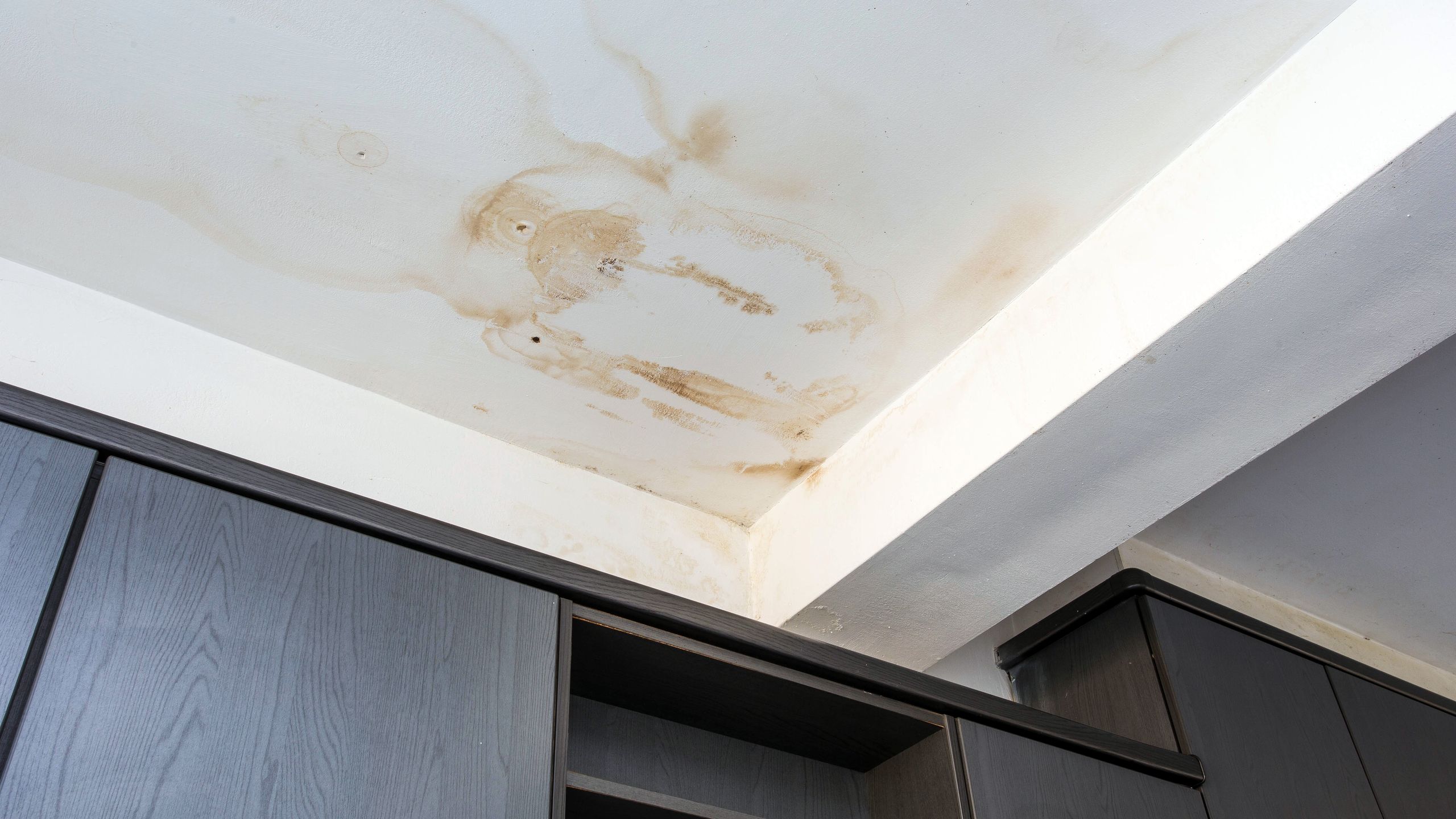
(Image credit: Shutterstock) Every home has its quirks: a toilet that runs a few seconds too long, a light that flickers when you flip the switch, a thin line of caulk pulling away from the tub. None of them feel urgent, so they slide to the bottom of the weekend to-do list.That’s exactly what makes them expensive. Many costly home repairs don’t start with a burst pipe or a storm. They start as small problems that cost a few dollars to fix, then quietly cause damage behind walls, under floors and inside electrical boxes until the bill runs into the thousands.Here are three minor home issues you shouldn’t ignore, what they’re really telling you, and how to fix them before they become major repairs. 1. A toilet that randomly runs or trickles between flushes That faint hiss or random phantom flush usually means water is leaking from the tank into the bowl. The most common culprit for an intermittent phantom flush is a worn flapper, the rubber seal at the bottom of the tank, which warps over time from hard-water minerals and cleaning chemicals.A faulty fill valve or high float level causes a slightly different problem: a constant, non-stop running hiss as water spills into the overflow tube. Either way, the water goes into the bowl and down the drain, not onto your floor. That doesn’t make it harmless. A running toilet can waste up to 200 gallons of water a day, which can noticeably raise your water bill. Water pooling around the base of the toilet is a different, more serious problem. It usually means the wax ring that seals the toilet to the floor has failed, the tank-to-bowl gasket is leaking, or the porcelain is cracked. Left alone, that kind of slow leak can rot the subfloor underneath without you noticing, and repairing a damaged bathroom floor can cost thousands. For a phantom flush, start with the flapper. A new one costs less than $10 and takes about five minutes to install. If you hear a constant hiss instead, the fill valve is the next suspect and is also an inexpensive DIY replacement. If you see water at the base, call a plumber before the floor takes on more damage. 2. Cracked or peeling caulk around tubs and sinks Gaps in the caulk around your tub, shower or sink can look too small to matter. But water gets pulled into even tiny cracks through capillary action, so every shower or sink full of dishes sends a little more moisture behind the tile.Once it’s there, it has nowhere to dry out. Trapped moisture feeds mold and slowly rots the wall studs and subfloor. Because it all happens behind the tile, you often won’t know until the drywall goes soft, tiles start loosening or a stain appears on the ceiling below. By then, you could be looking at a full bathroom tear-out, mold remediation and framing repairs.Scrape out the old caulk, clean and dry the surface, and apply a fresh bead of silicone caulk made for kitchens and baths. A tube typically costs between $5 and $10, and the job takes an afternoon. 3. A flickering light switch or outlet that feels warm to the touch A light that flickers when you flip the switch, coupled with an outlet cover that feels warm when something’s plugged in, can seem like a minor nuisance. Often, though, it’s a sign of a loose wire connection or worn terminal screws behind the cover plate.Loose connections can cause arcing, where electricity jumps across a small gap. Arcing produces intense heat that can melt the outlet housing, break down wire insulation and eventually start a fire inside the wall. A standard circuit breaker is designed to trip during an overload, but it won’t necessarily catch arcing, so the problem can go unnoticed until it becomes dangerous.Stop using the outlet or switch, and have a licensed electrician check it. Replacing a worn outlet or tightening connections is usually a quick, inexpensive repair. You can also ask about AFCI (arc-fault circuit interrupter) breakers, which are designed to detect arcing and cut power. (Image credit: Future)Follow Tom's Guide on Google News and add us as a preferred source to get our up-to-date news, analysis, and reviews in your feeds. Subscribe to Tom's Guide on YouTube and follow us on TikTok. More from Tom's Guide My toilet seat kept sliding around — here’s the quick fix that locked it in placeScraping pumpkin pulp down the sink? Here's why it will ruin your garbage disposalWhy there’s a sheet of ice in your freezer — and how to fix it in 5 minutesGet instant access to breaking news, the hottest reviews, great deals and helpful tips. Kaycee is Tom's Guide's How-To Editor, known for tutorials that get straight to what works. She writes across phones, homes, TVs and everything in between — because life doesn't stick to categories and neither should good advice. She's spent years in content creation doing one thing really well: making complicated things click. Kaycee is also an award-winning poet and co-editor at Fox and Star Books.
3 warning signs your home needs attention before a small fix becomes a big bill
Full Article
Original Source
Read the full article at Tomsguide →KhanList aggregates and links to publicly available news content. We do not host full articles from third-party sources. Always verify important information with original sources.