
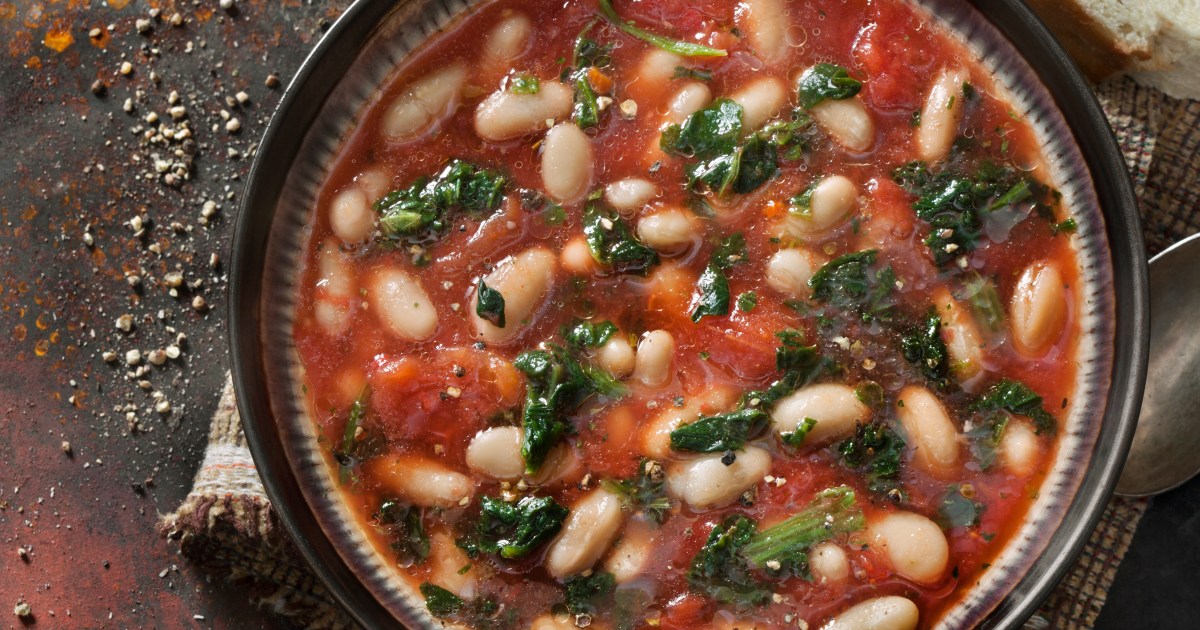
Your body needs a certain amount of protein every day just to keep functioning properly. But you also need to make sure you’re eating enough fiber to support your gut and heart health. So, why not opt for foods that can do both? “The biggest benefit of eating plant-based proteins is the fiber in these foods,” says Natalie Rizzo, registered dietitian and TODAY nutrition editor. “Research shows that eating enough fiber is necessary for good digestive and cardiovascular health, and fiber also helps keep you full in between meals,” she explains. “Animal proteins don’t contain fiber, so if you’re looking to up your fiber intake, look towards plant-based proteins.”Fortunately, some plant proteins really excel in the fiber department. Here are the ingredients Rizzo suggests reaching for when you want to hit your fiber and plant protein goals at the same time.A Dietitian’s Favorite Plant-Based Protein With the Most FiberBeansThere are a ton of high-fiber plant proteins to choose from, and Rizzo lists beans as one of her favorites.While most varieties of beans will net you at least 5 grams of fiber per half-cup serving, it’s those small white navy beans that actually provide the most fiber, TODAY.com explained previously. Just one serving of navy beans will net you more than 7 grams of protein and about 9.5 grams of fiber.That combination of plant protein and fiber makes beans a particularly healthy choice for heart health, Rizzo said. “That soluble fiber is particularly helpful for lowering LDL cholesterol,” she noted.And if you want a bean with a little more protein for all that fiber, look to black beans or kidney beans instead. Both contain about 8 grams of protein and 7 to 8 grams of fiber.Other High-Fiber Plant Protein OptionsLentilsIn just a half-cup serving of lentils, you’ll find both 9 grams of protein and around 8 grams of fiber, which ranks them just below navy beans.“They’re also naturally very low in saturated fat,” Rizzo said previously. “I especially like lentils because they cook relatively quickly and can easily replace some or all of the meat in a recipe.”Try adding lentils to burgers to bulk them up with plant protein and fiber.Chia SeedsThese seeds are small but mighty — especially when it comes to fiber. In fact, they are among the highest-fiber seeds you can eat, and they come with a hefty amount of heart-healthy omega-3 fatty acids as well as some filling plant protein. A full serving of chia seeds is 2 tablespoons, which contains 10 grams of fiber and about 5 grams of protein. While you can bake with them, add them to granola or sprinkle them on yogurt bowls or into smoothies, it can still be challenging to eat a full serving.The easiest way to eat that many chia seeds at once is to make an overnight chia pudding. In fact, registered dietitian Grace Derocha previously told TODAY.com that chia seed pudding is her favorite way to work towards both her protein and fiber goals at breakfast.
3 Plant Proteins With the Most Fiber, According to a Dietitian
Full Article
Original Source
Read the full article at Today →KhanList aggregates and links to publicly available news content. We do not host full articles from third-party sources. Always verify important information with original sources.