
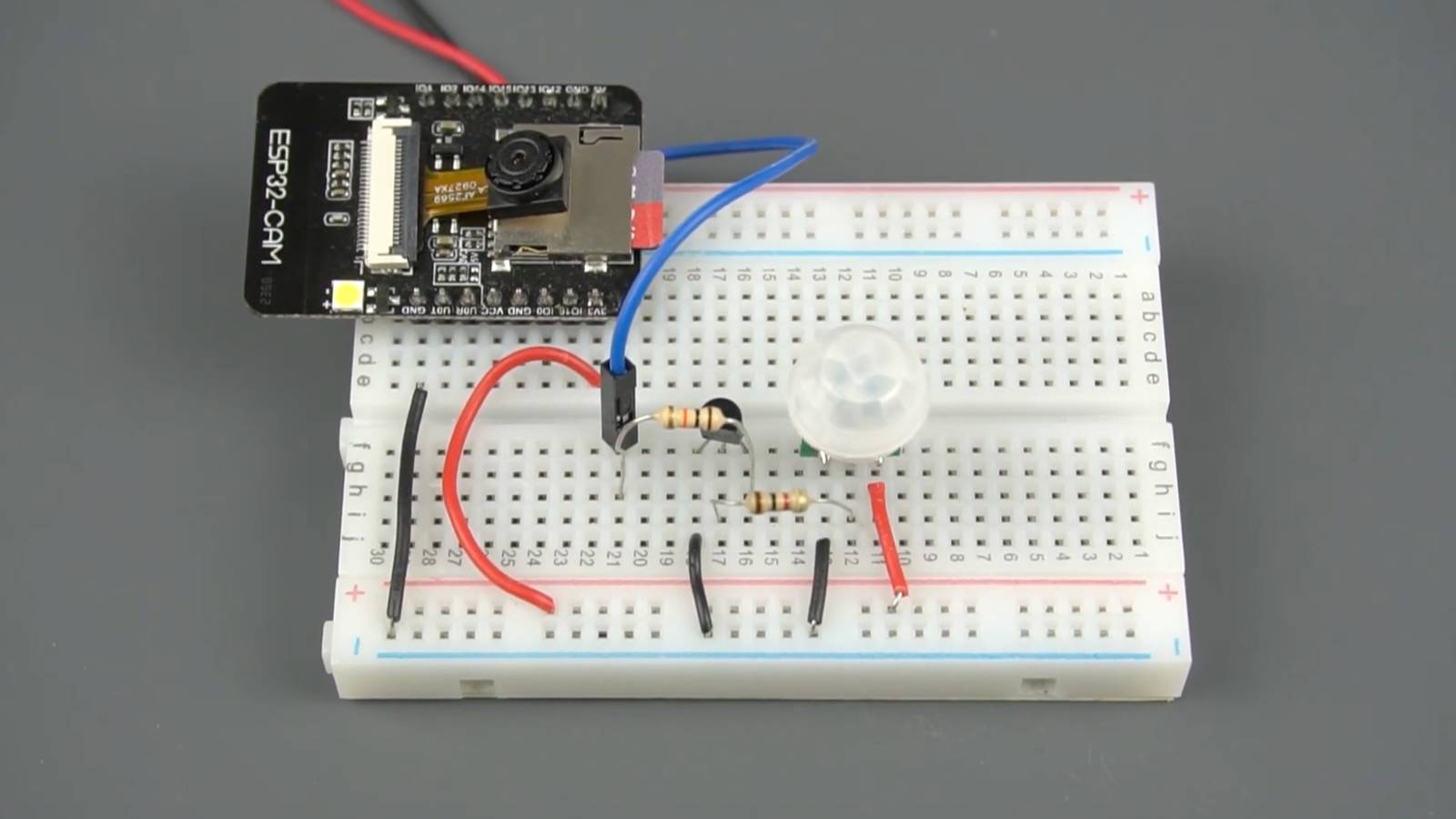
Published Aug 21, 2026, 11:00 AM EDT Tim has been covering technology for almost 20 years, in that time spanning a broad range of topics from security to product reviews. He is especially focused on the Apple ecosystem, productivity, and consumer advice. Over the years Tim has written thousands of articles, reviews, and round-ups in addition to producing video content and original photography. A graduate of journalism, he found his footing as a freelancer with a laptop and loves how he is able to work from practically anywhere. Now a Senior Editor for iPhone, Mac, and Smart Home at How-To Geek, Tim still loves to write. He can also be found crafting round-ups and productivity posts for the Zapier blog. Earlier in his career Tim spent nearly a decade as a writer and eventually Apple section editor for MakeUseOf. Tim currently lives in Brisbane, Australia. Outside of work he loves to hike and work out, play video games, and spend quality time with his wonderful partner and two cats Inka and Roger. With development boards like the ESP32-CAM and ESP32-S3 Sense, you can easily integrate a camera into your microcontroller projects. These can be useful in the home or at work, or just plain fun when integrated into more adventurous projects. ESP32-CAM DIY Video Doorbell Forget about subscriptions and privacy concerns Credit: Mouser There are two big concerns when purchasing a video doorbell for your smart home. The first is that you’ll have to pay additional monthly fees in order to use certain features, with no option to circumvent (like recording locally) due to a closed ecosystem. The other is that the video feed will be used by companies for undesirable purposes, putting your privacy at risk. One answer is to buy a doorbell camera that can operate completely offline, the other is to build one yourself. Adam Conway of How-To Geek’s sister site XDA-Developers went the full mile and built his own using a development board called the ESP32-S3-EYE, which comes with a built-in camera. He used ESPHome and shared the YAML on his GitHub page. Naturally, there are many other ESP32-powered doorbell projects on the internet. Ron Schaeffer built a DIY video doorbell with voice response using an ESP32-CAM, breadboard, camera module, DFPlayer mini audio playback chip, and a button. IoT With ESP also has a very in-depth guide to doing this with the same development board. All of these doorbell solutions should operate locally by default. Rather than exposing the doorbell to the internet directly (as is the case with Ring or Google Nest), the smart home platform you use to monitor them can be exposed securely using a solution like Home Assistant Cloud or a VPN. Motion detector with photo capture Keep track of visitors or spy on your pets Along the same lines as the video doorbell project above is a simple motion detector project from the excellent Random Nerd Tutorials archive. It goes a little further by incorporating a passive infrared (PIR) motion sensor to trigger the device, since PIR is great for detecting heat-signature movement. This wakes the microcontroller from “deep sleep” and reduces power consumption. The project uses an ESP32-CAM, motion sensor, FTDI programmer board, some wires, and a power supply. You’ll also need a microSD card, since the device will use this to save your images locally. The project depends on the Arduino IDE, with all code supplied, but you could also modify it to suit. Two changes you could consider making are adding a battery and charging circuit to make the device portable, and sending your images to network storage rather than the card. FPV drone link Do you believe you can fly? It’s very satisfying when you’re looking for ESP32 projects and you come across one that’s still actively maintained and undergoing constant improvements. The hx-esp32-cam-fpv project is one such project, and the author is refreshingly honest about what’s involved and the kind of results you should expect. This is a DIY first-person view (FPV) drone link that is designed to be used with the ESP32-CAM, ESP32-S3-Sense (recommended), and ESP32-C5 boards. It relies on two elements: the drone itself and an FPV ground station (which you can also build yourself). This is a wholly digital project, with no analog transmission, which means that the image is “clean” without interference, though compression artifacts may be present. The link is rated for a latency of 90 to 110 milliseconds, and can fly at a range of up to 2km (1.24 miles) from the ground station. The main goals of the project are affordability and to offer something for remote control enthusiasts and electronics hobbyists to sink their teeth into. The link is designed to be comparable in cost to cheap analog gear. There’s a lengthy “Is it worth building?” section that’s worth a read before you jump in. The project’s author says you should keep your expectations low on account of the QV5640 camera sensor being comparable to phone cameras from around 2005. That said, it’s not all doom and gloom. Compared to other open-source drone projects, hx-esp32-cam-fpv is cheaper, very compact, power-efficient, and can use a wide variety of ground station hardware (which you can borrow from other projects). There are also some videos on the GitHub repository that you can watch to get an idea of what to expect. For an small ESP32-powered drone build, check out the ESP32-FLY instead. Looking for even more ESP32 projects to sink your teeth into? Take a look at some projects that will save you way more money than they cost to build. Alternatively, take a look at these inspiring ESP32 builds.
3 ESP32-powered camera projects to make this weekend (Aug 21 - 23)
Full Article
Original Source
Read the full article at Howtogeek →KhanList aggregates and links to publicly available news content. We do not host full articles from third-party sources. Always verify important information with original sources.