
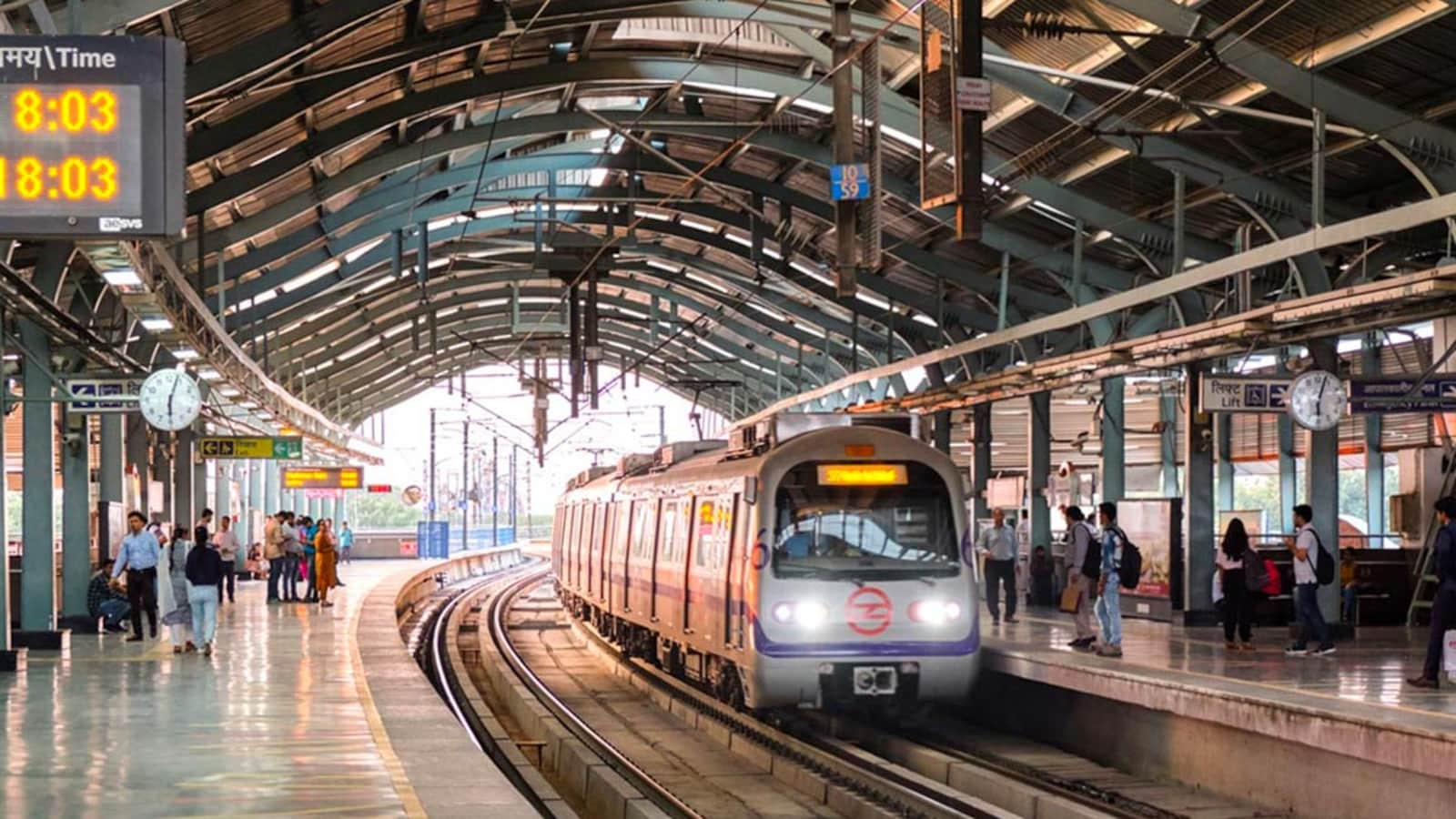
Longer metro routes, easier transfers between trains and buses, safer footpaths and fewer traffic bottlenecks could make daily travel easier for Delhi commuters under an ambitious transport plan being discussed by the Delhi Development Authority (DDA).The proposals, part of the Master Plan for Delhi 2047, were discussed on Friday at a meeting attended by officials from Delhi Metro, traffic police and other agencies. The meeting was the DDA's 11th stakeholder consultation, held on the directions of Lieutenant Governor Taranjit Singh Sandhu.Under the plan, Delhi's Metro network could expand from 416 km to 695 km, adding another 279 km of rail connectivity. The Namo Bharat network across the National Capital Region is also proposed to grow from 82 km to 383 km.For commuters, this could mean better access to public transport, particularly in areas where Metro connectivity is currently limited.But getting off a Metro train is often only part of the journey. Reaching offices, homes and markets from stations can be another challenge.To address this, the plan proposes improving connections between Metro, regional rail, buses and other transport services.Sarai Kale Khan, Anand Vihar and Kashmere Gate have been identified as major transit hubs where passengers could switch between different modes of transport more easily.The focus is also on improving last-mile connectivity through feeder services, shared transport and better access to stations.The proposals come as Delhi continues to struggle with traffic congestion on several busy roads.A Delhi Traffic Police review in June found that congestion had eased at 34 of 62 identified traffic hotspots following corrective measures. However, stretches around Dwarka Mor, Sarai Kale Khan and Mukarba Chowk remained areas of concern.The Master Plan proposes new roads, underpasses, elevated corridors and improvements at busy junctions to reduce bottlenecks and improve traffic movement.For motorists, the plan also seeks to address parking problems in crowded residential and commercial areas.It proposes identifying Parking Management Areas and making better use of existing parking facilities, along with artificial intelligence-based traffic and parking management.In a separate move, the Centre approved a Rs 1,789-crore intelligent traffic management project in September, covering 42 corridors in Delhi. The system is intended to use adaptive signals and real-time monitoring to improve traffic flow.Pedestrians and cyclists could also benefit from the proposed changes.The plan envisages around 200 km of cycle tracks, safer walking routes, improved street design and better accessibility for people with disabilities.The DDA also recently floated a tender for the first phase of a proposed 24-km cycling track along the Yamuna, from the Old Railway Bridge towards National Highway 24.A Unified Metropolitan Transport Authority has also been proposed to coordinate transport planning across different agencies.The Master Plan 2047 was notified on August 20, and the DDA is now holding consultations on its implementation.
279 Km Metro Expansion: What Delhi's Transport Plan Means For Commuters
Full Article
Original Source
Read the full article at Ndtv →KhanList aggregates and links to publicly available news content. We do not host full articles from third-party sources. Always verify important information with original sources.