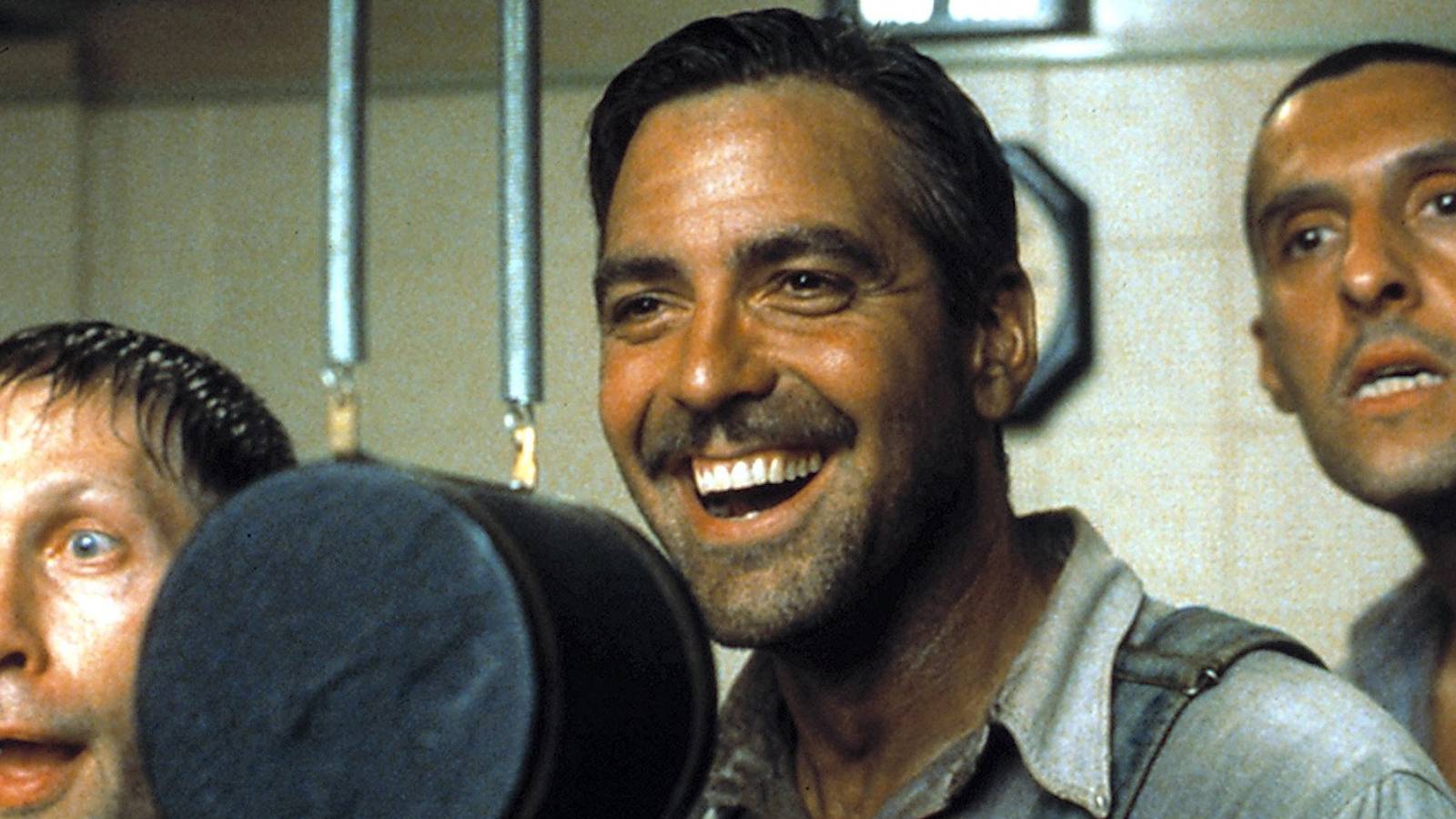
Published Jul 28, 2026, 12:05 AM EDT Conor Sheeran is a Movies and TV features writer for Collider. He has a deep passion for cinema and watches everything from the biggest blockbusters to the smallest indies. While he specializes in movies and television, he has also written about politics, culture, and sports throughout his career. Based in New York City, Conor is also a massive fan of the New York Jets, Mets, and Knicks. He is still waiting for any of those teams to bring home a championship in his lifetime. A member of the National Writers Union and the International Federation of Journalists, Conor is a strong proponent of press freedom and collective action. Since its release, Christopher Nolan's adaptation of The Odyssey has proven itself to be many things: a massive cinematic blockbuster (predicted to exceed $1 billion as its run continues), a faithful take on Homer's influential poem, and, perhaps most importantly, an invitation for moviegoers to revisit the ancient Greek epic. With reviewers and audiences alike raving about the film, The Odyssey is the type of film that leaves viewers wanting more tales of Odysseus, mythical beings, and perilous voyages. And while you might be tempted to look to movies like Troy or Clash of the Titans to scratch that itch, it's in another genre that you'll find the actual best follow-up. O Brother, Where Art Thou?, the folksy 2000 comedy directed by the Coen Brothers and starring George Clooney, John Turturro, and Tim Blake Nelson, follows three escaped convicts as they journey through 1930s Mississippi in search of buried treasure. And beneath the Coen Brothers' trademark comedic exterior lies one of the smartest and most inventive adaptions of The Odyssey ever made. Clooney's character, Ulysses Everett McGill, is no Greek king; he is a fast-talking con man whose abilities are constantly called into question by those around him. However, both Clooney's Ulysses and Matt Damon's Odysseus are driven by one goal more than anything else: Getting home before it's too late. 'O, Brother Where Art Thou?' Embraces Homer's Storytelling with Comedic Flair Perhaps where O Brother, Where Art Thou? succeeds best is how naturally Homer's The Odyssey is woven into the film's story. The film uses the poem's more familiar beats as inspiration, translating the mythology into a language and setting that is more familiar. Many of The Odyssey's most important moments, such as the encounter with the Sirens and Cyclops, are adapted cleverly but in a way that never feels as if the film is sacrificing its own identity. The Sirens become three mysterious women bathing in a river, luring Everett, Pete (Turturro), and Delmar (Nelson) away from their journey with their singing. The Cyclops is the large and imposing Dan Teague, played by John Goodman, who is out to rob them rather than eat them. Naturally, Teague's eye patch and size make him impossible to miss as he threatens our heroes and nearly kills them. As the heroes finally reach their destination and Everett reunites with his wife Penny (Penelope), portrayed by Holly Hunter, he discovers that she is courted by a suitor. Similar to Homer's epic, Everett must prove his worth and love for his wife, even after the journey itself has been so perilous. The trials required to win her back prove to be as difficult as his mission to get home, staying true to Homer's epic, albeit with more comedy infused into the situation. It's here where the Coens are at their best, preserving the emotional heart of The Odyssey and allowing it to stand on its own as a uniquely American adventure. 'O Brother, Where Art Thou?' Serves as a Reminder That Great Stories Can Be Reinvented Image via United International One of the biggest reasons that The Odyssey has been retold, translated, and adapted countless times since it was first written thousands of years ago is that its themes are timeless. Maintaining courage and perseverance in the face of danger, relying on found families, and being willing to fight for those you love are ideas that resonate across time, as relatable in Ancient Greece as they were in the Depression-era American South or continue to be today. It joins many other films that helped to inspire Christopher Nolan's take on The Odyssey, proving that Homer's epic is truly timeless. Although Homer's story points are adapted throughout O Brother, Where Art Thou?, they never feel like Easter eggs being dropped into the film for no real reason. Instead, they provide the necessary framework to tell a new and original story that has its own points to make about modern identity, faith, politics, and the quest for redemption. It reinvents The Odyssey while paying homage to it, and not making it simpler than it needs to be. Given its massive success, The Odyssey has already begun to spark interest in Homer's epic. For anyone looking to continue the journey of protagonists fighting against insurmountable odds to get home, O Brother, Where Are Thou? is an ideal next watch, even as the Coens provide a much more light-hearted and unapologetically unconventional take in their adaptation. Perhaps most importantly, O Brother, Where Art Thou? proves that some of our greatest stories don't survive simply due to endless repetition of them. Instead, finding new and interesting ways to keep them alive for new audiences is the way that stories such as The Odyssey will last through the generations. Release Date September 15, 2000 Runtime 107 minutes Director Joel Coen, Ethan Coen Writers Joel Coen, Ethan Coen, Homer Producers Eric Fellner, Tim Bevan
26 Years Later, This Odyssey Adaptation Is Still Perfect From Start to Finish
Full Article
Original Source
Read the full article at Collider →KhanList aggregates and links to publicly available news content. We do not host full articles from third-party sources. Always verify important information with original sources.