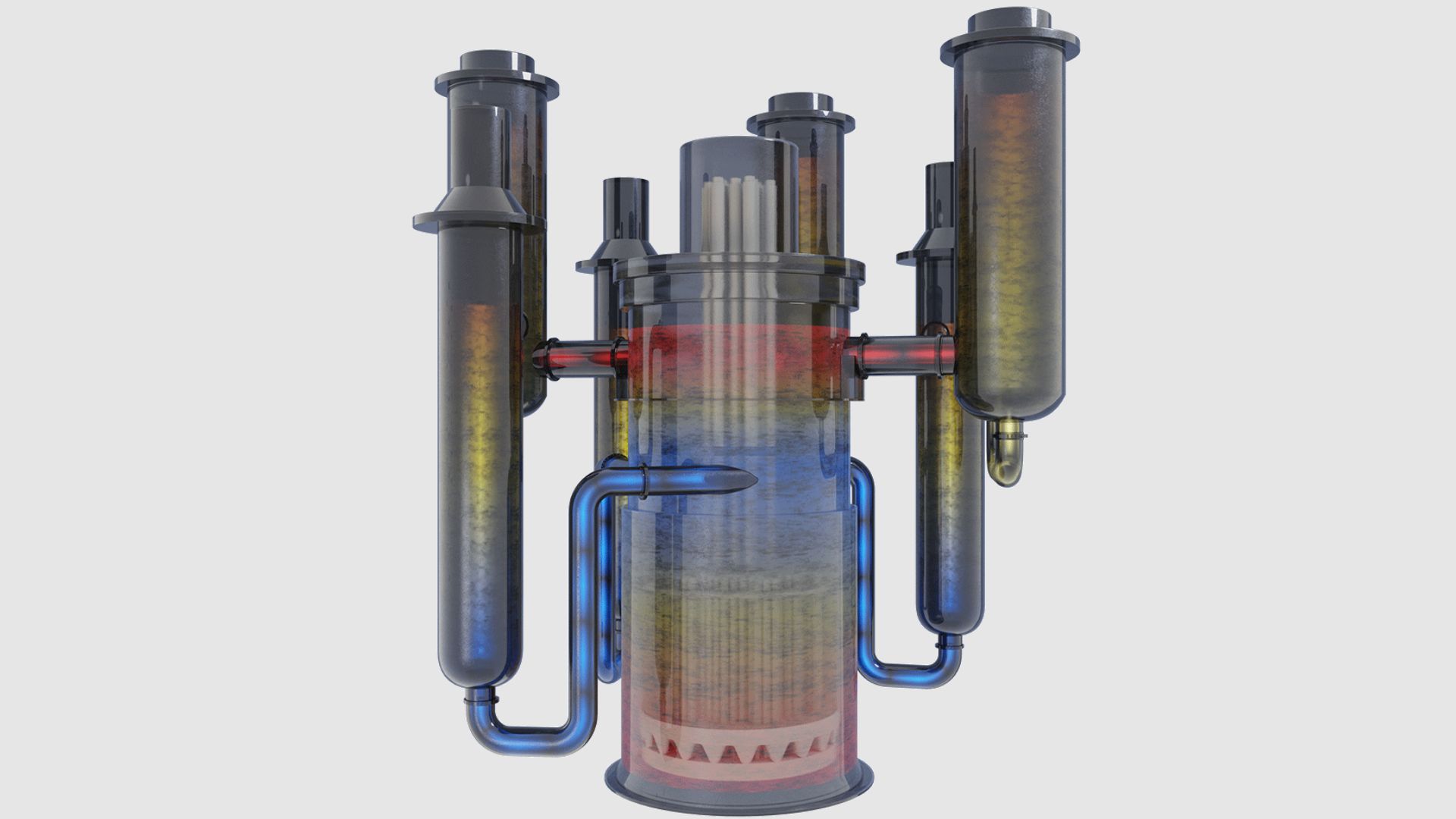
The US Nuclear Regulatory Commission has formally docketed a Regulatory Engagement Plan from First American Nuclear. The filing outlines pre-licensing interactions for a proposed Category II facility. This plant will deconvert High-Assay Low-Enriched Uranium and fabricate fuel for advanced nuclear power systems. The docketed plan sets up structured technical meetings with regulators ahead of that filing. “The Company’s licensing approach is designed to engage the NRC early and transparently on the facility’s proposed design, processes, safety controls, environmental considerations, safeguards and organizational responsibilities,” explained the company in a press release. The primary user of the fuel will be First American Nuclear’s EAGL-1 reactor. This small modular reactor produces 240 megawatts of electricity. It uses a fast neutron spectrum to sustain nuclear fission, unlike conventional commercial reactors. To cool the core, the design relies on a liquid lead-bismuth eutectic alloy, which operates at high temperatures and transfers heat away from the reactor core. Also, fast-spectrum neutrons interact differently with atomic nuclei compared to thermal neutrons. This allows the system to extract energy efficiently from ceramic fuel. According to the company, technicians will build the core components inside a central manufacturing facility before shipping them to operating sites. Fuel deconversion with ceramic assembly The planned manufacturing plant handles both chemical processing and mechanical assembly. The process begins with High-Assay Low-Enriched Uranium in the form of uranium hexafluoride gas. Chemical systems inside the facility will deconvert this gas into solid uranium compounds. The plant will focus first on producing ceramic uranium dioxide fuel. However, the engineering design includes technical flexibility. The assembly lines can adapt to manufacture other ceramic fuel forms as testing continues. Besides supplying the EAGL-1 fleet, the facility will also manufacture fuel elements for other advanced reactor developers. This dual role aims to provide a domestic source of finished nuclear fuel for emerging reactor designs. Technical engagement with regulators According to executive vice president Michelle Catts, early technical talks help regulators understand the plant design well before formal reviews begin. “Our objective is to ensure that the regulatory path is informed by early, substantive technical dialogue and is supported by a comprehensive understanding of the facility’s design and operating plan,” said Catts. Operating a plant that handles Category II special nuclear material requires a federal license under Title 10 of the Code of Federal Regulations, Part 70. This license covers the construction, ownership, and long-term operation of the site. The company plans to submit its complete formal license application in the fourth quarter of 2027. “It reflects the deliberate way we are advancing FANCO’s integrated commercial strategy: pairing disciplined regulatory execution with a fuel-cycle platform designed to support our EAGL-1 program and, over time, other advanced-reactor developers,” concluded Mike Reinboth, Chief Executive Officer of FANCO. “Our team brings deep experience across nuclear operations, fuel-cycle development and NRC licensing, and we are applying that expertise early to establish a clear, rigorous path forward.” Get the latest in engineering, tech, space & science - delivered daily to your inbox.An active and versatile journalist and news editor. He has covered regular and breaking news for several leading publications and news media, including The Hindu, Economic Times, Tomorrow Makers, and many more. Aman holds expertise in politics, travel, and tech news, especially in AI, advanced algorithms, and blockchain, with a strong curiosity about all things that fall under science and tech.
240-MW lead-bismuth-cooled nuclear reactor fuel facility enters US regulatory phase
Full Article
Original Source
Read the full article at Interestingengineering →KhanList aggregates and links to publicly available news content. We do not host full articles from third-party sources. Always verify important information with original sources.