
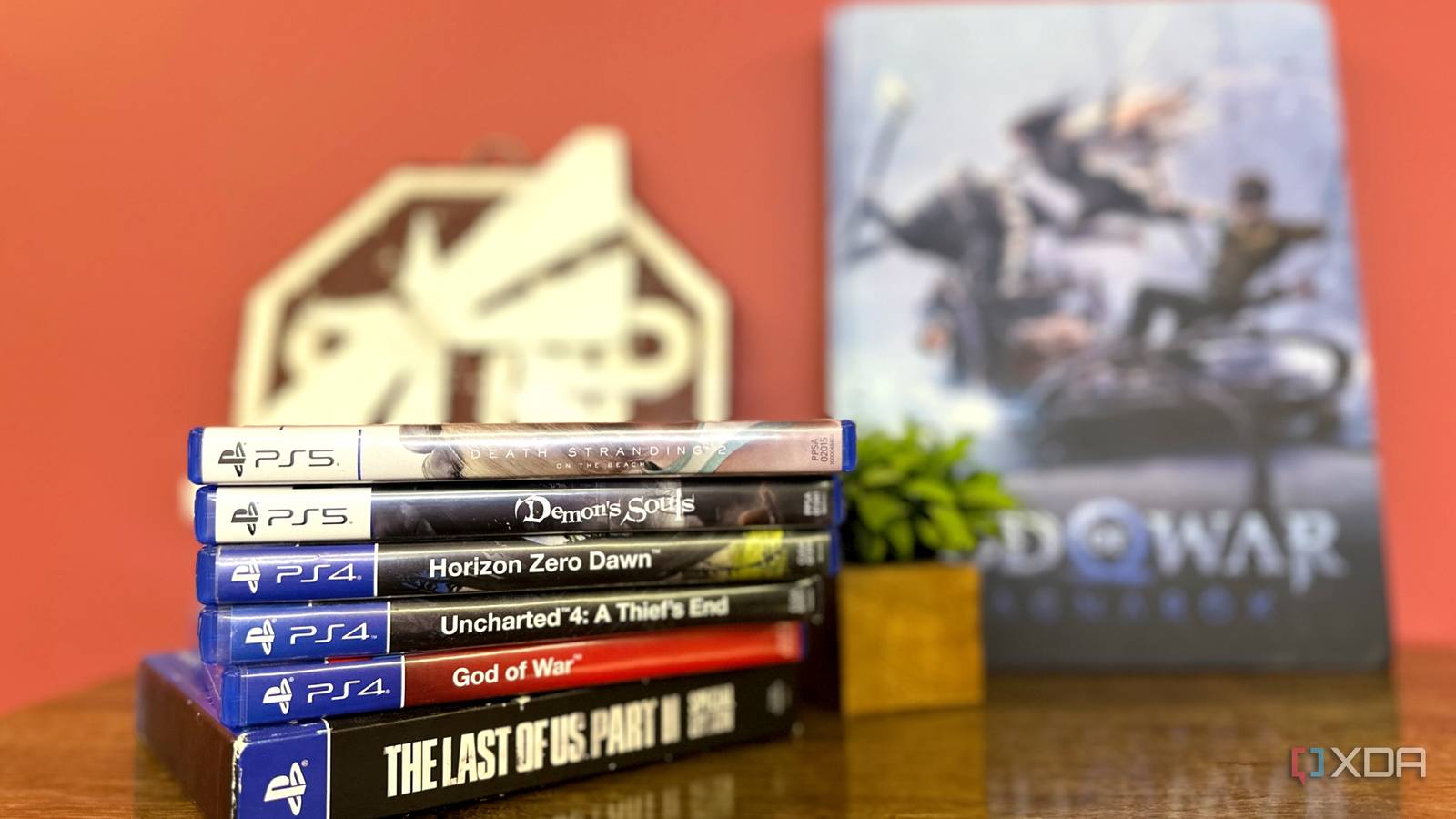
Published Jul 27, 2026, 4:30 PM EDT After a 7-year corporate stint, Tanveer found his love for writing and tech too much to resist. An MBA in Marketing and the owner of a PC building business, he writes on PC hardware, technology, and Windows. When not scouring the web for ideas, he can be found building PCs, watching anime, or playing Smash Karts on his RTX 3080 (sigh). It feels redundant to say that the gaming industry has been deteriorating over the last few years. A sharp decline in game quality, a rise in in-game monetization, worsening optimization, and more prevalent anti-gamer policies have made the experience worse for the average gamer. What's new this year, however, is a near-universal commitment to benefiting the corporate machinery behind the industry at the cost of gamers. From popular game studios like Rockstar and Ubisoft to hardware heavyweights like Nvidia, AMD, and Sony, every company has stopped prioritizing the consumer. Anti-gamer trends have been on the rise, but 2026 is the year that is forcing gamers into a new dark age where ownership is dying, affordability is eroding, and upgrades are becoming next to impossible. The death of game ownership Own nothing and be happy, or not Credit: BeatEmUps via Wikimedia Commons Physical games are dying, and that's not news. Ever since gamers realized the convenience of digital downloads, storefronts and studios have been busy removing physical ownership from the equation. What's been brewing for years seems to have accelerated this year with the announcement from Rockstar Games that no physical discs for GTA VI are on the cards. The "physical" edition contains only a code for a digital download. This step from a renowned studio regarding the most anticipated game of all time is more significant than it seems. It's a decision that will have far-reaching ripples in the gaming industry. Two years ago, Ubisoft said gamers should grow comfortable with not owning games. More studios will become comfortable skipping physical discs entirely in favor of digital-only releases, making game ownership trickier than it already is. Sony has already followed suit with its plan to halt disc production by January 2028. Microsoft is also moving toward a disc-less console, as the industry moves toward convenience and higher profits. Game preservation can't thrive if games aren't shipped on discs in the first place. If companies can remove access to titles on a whim, then gamers will be conditioned to believe that temporary access was always meant to be. Offline play and permanent ownership might not matter to everyone, but a large section of gamers truly cares about them. However, when Rockstar, Sony, and other major companies barrel forward with the erasure of physical media, then we're fighting a losing battle. Normalization of $80 baseline pricing for AAA titles Strap in for a wild ride Another Rockstar-induced anti-gamer trend is the new normal for AAA game pricing. $80 for the standard edition seems like just the development every other publisher was waiting for before making this price point the new norm. Companies like Nintendo have experimented with the $80 pricing tier, and even Battlefield 6 and Outer Worlds 2 have seen $80 standard-edition pricing. GTA VI, though, feels like a more permanent shift. Rockstar might not have jumped to $100 for the standard edition, as many had theorized, but it has paywalled some core features to the $100 Ultimate Edition. This makes $100 the de facto entry point for the full GTA VI experience. We might be seeing a dangerous precedent being set, which will enable other publishers to raise baseline pricing as well as gatekeep core game features to pricier editions. AAA titles releasing next year will surely be eyeing the GTA VI launch, mulling how deep they can go inside gamers' wallets. Game prices had remained stagnant at $60 for a long time before $70 became the new norm. We've now climbed to $80, but that might not even be enough to get the full experience anymore. No new consumer GPU launch PC gaming is an afterthought If you weren't aware, 2026 is the first year in the last three decades without a new Nvidia GPU launch. The RTX 50 Super series that was supposed to launch this year got delayed/canceled due to the memory shortage. Even AMD hasn't launched any new GPUs this year, except the nerfed RX 9070 GRE. The data center demand has hit the consumer GPU vertical hard, but manufacturers don't care anymore. Nvidia and AMD are making bank by supplying enterprise GPUs to companies jumping on the AI bandwagon. They're launching RTX Spark and Strix Halo Developer Platform mini PCs with great fanfare to cater to the growing LLM demand, while gamers struggle to upgrade to overpriced current-gen GPUs. For nearly every PC hardware company, prioritizing data center profits has trumped serving consumer divisions. Shoving AI into almost every device and software tool is now mandatory. And companies have pivoted their marketing toward shareholders instead of the end consumer. You just need to look at CES 2026 to gauge where the industry is headed. If there was a year when gaming was relegated to an afterthought, it wasn't worse than 2026. 2026 will be remembered as a turning point for gaming, just not in a good way From expensive AAA games and endangered game ownership to the unexciting hardware market, gamers have had it bad in 2026. Many of them don't even realize these trends might become permanent. The industry is simply chasing the numbers, but the gamers are the ones handing over their rights without realizing it.
2026 has changed gaming for the worse, gamers just don't realize it yet
Full Article
Original Source
Read the full article at Xda-developers →KhanList aggregates and links to publicly available news content. We do not host full articles from third-party sources. Always verify important information with original sources.