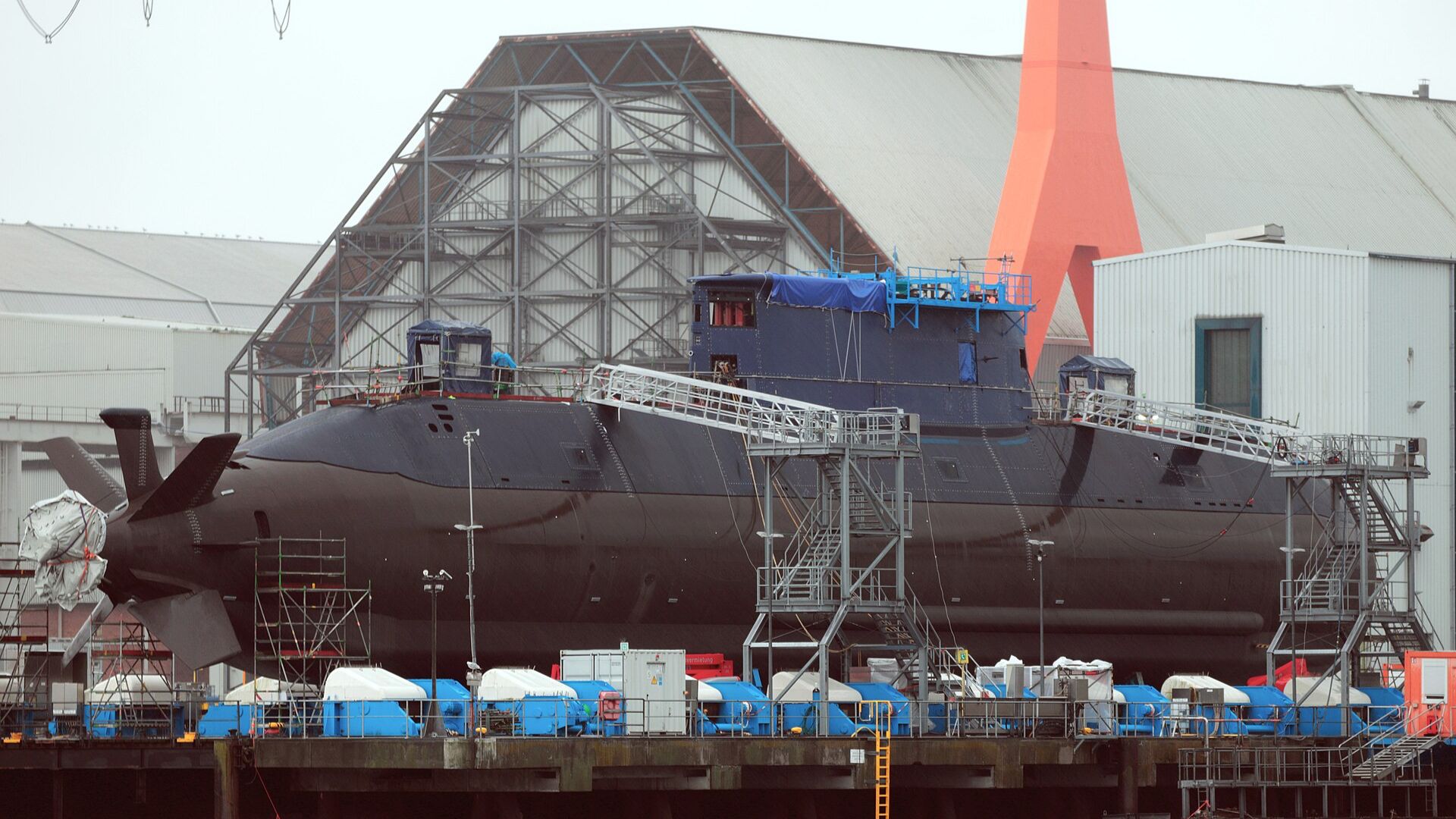
Israel received the INS Drakon from Germany last week, adding the country’s most expensive submarine yet to its naval fleet, according to reports. The delivery marks the completion of Israel’s sixth Dolphin II-class submarine and comes as Jerusalem and Berlin continue to expand their long-standing defense cooperation. Built by Germany’s ThyssenKrupp Marine Systems (TKMS), the submarine was originally expected to arrive in 2025. Its delivery represents a major milestone for Germany’s shipbuilding industry and Israel’s underwater warfare capabilities. A major addition to Israel’s submarine fleet The INS Drakon reportedly cost an estimated €550 million ($634 million), making it the most expensive submarine delivered to the Israeli Navy. At more than 230 feet (70 meters) long and weighing over 2,000 tons, it is also the largest submarine of its kind built in Germany since World War II. Its larger size provides additional internal space for crew members, fuel, and equipment. The expanded hull also supports longer missions and gives Israel greater flexibility in deploying the submarine over extended distances. The vessel is expected to strengthen Israel’s ability to conduct operations far from its home waters while maintaining its established undersea deterrence. Germany remains a key defense partner Israel signed the agreement with TKMS in 2022 for the INS Drakon and three future Dakar-class submarines. The overall contract was valued at around €3 billion, with Germany expected to finance approximately 20 percent of the cost. Berlin’s financial contribution forms part of its broader commitment to Israel’s security and reflects the close defense relationship that has developed between the two countries over several decades. Germany has supplied Israel with submarines for years, making TKMS a central partner in the development of the Israeli Navy’s undersea fleet. The company is also expected to remain involved as Israel transitions toward its next generation of submarines. Dakar-class submarines coming next Israel’s submarine fleet is set for another major change beginning in 2031, when the first of three Dakar-class submarines is expected to arrive. The remaining vessels are planned for delivery at intervals of approximately 18 months. The new submarines will eventually replace the Dolphin, Leviathan and Tekuma, which entered service between 1999 and 2000. Those vessels have served as key components of Israel’s naval forces for more than two decades. The Dakar program is expected to provide Israel with newer systems and additional capabilities as its older submarines are gradually retired. Defense ties continue to expand The submarine partnership comes despite international pressure for countries to reduce military cooperation with Israel. Germany and Israel have continued their defense relationship, with naval programs remaining an important part of their strategic ties. The relationship also extends beyond submarines. Germany has become one of Israel’s major defense customers through its purchase of the Israeli-developed Arrow 3 missile defense system. The interceptor is designed to destroy ballistic missiles outside the atmosphere. Germany’s Arrow 3 purchase was valued at approximately €4 billion, making it Israel’s second-largest defense export customer between 2021 and 2025. The arrival of the INS Drakon therefore marks another major step in a defense partnership that continues to shape both countries’ military capabilities.Recommended ArticlesGet the latest in engineering, tech, space & science - delivered daily to your inbox.A versatile writer, Sujita has worked with Mashable Middle East and News Daily 24. When she isn't writing, you can find her glued to the latest web series and movies.
2,000-ton: Largest German-built attack submarine since World War 2 delivered to US ally
Full Article
Original Source
Read the full article at Interestingengineering →KhanList aggregates and links to publicly available news content. We do not host full articles from third-party sources. Always verify important information with original sources.