
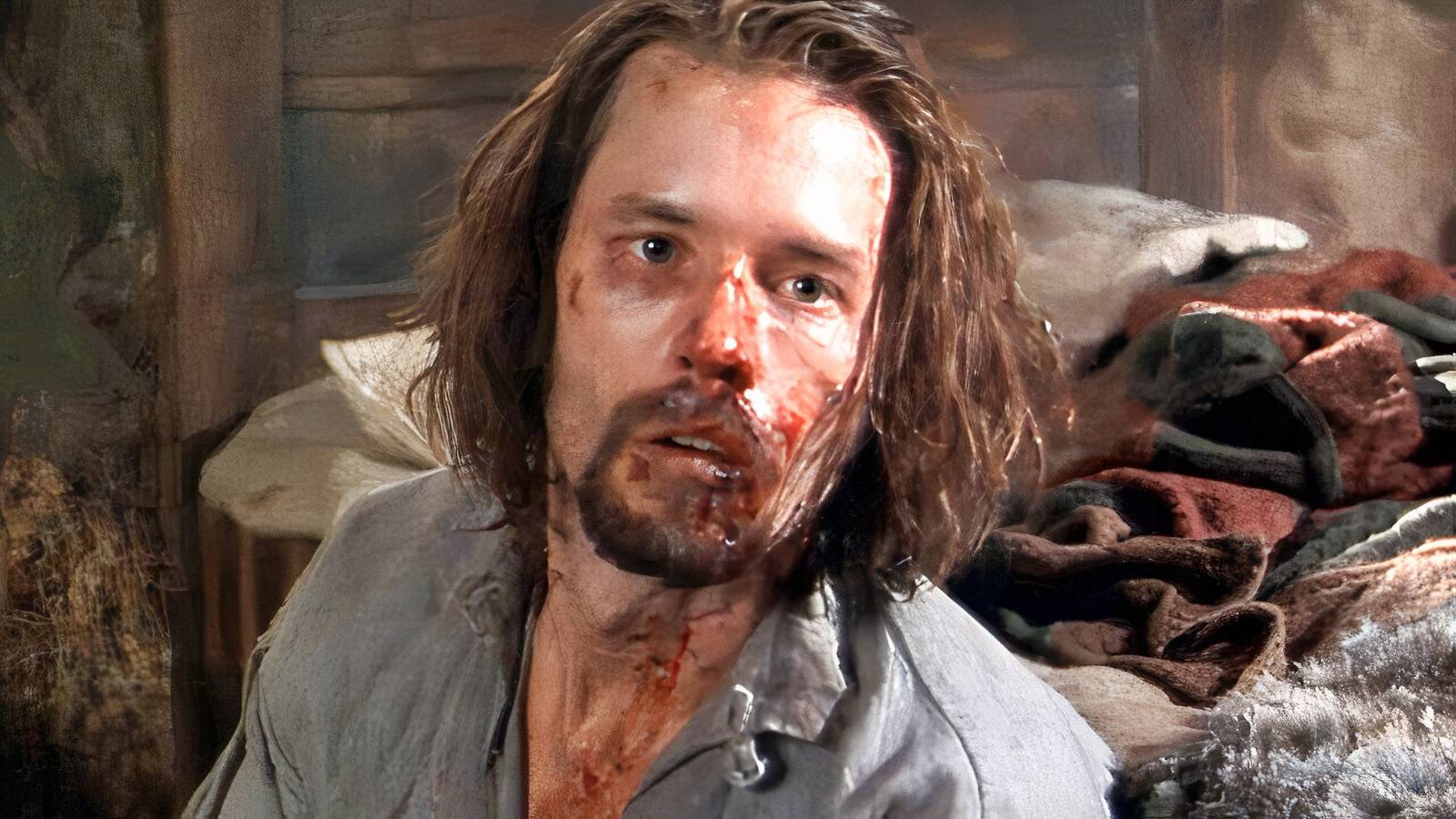
Published Sep 13, 2026, 1:45 PM EDT Simon Gallagher has worked in movie and TV journalism for more than 17 years. He has written more than 6000 articles and reviews, and edited thousands more. He is an expert in the entertainment industry, particularly in the golden age of screen superheroes. Simon is also a Rotten Tomatoes approved critic. Westerns have had a hell of a second life. The genre was considered box office poison not so long ago after a huge sift in taste into the 1970s redefined what audiences wanted on the big screen. But then thanks to both revisionist and traditional Westerns in the 1980s and ‘90s, and a continued interest from a commitment fanbase, some of the best frontier movies have been made in the last 30 years. It might not be quite the same genre that birthed the likes of Shane, The Searchers, and The Good, The Bad, & The Ugly, but the leaner, meaner second era is still enraptured by the mythology of the age, while significantly more likely to reflect the grim, violent reality of it. Movies like Unforgiven, The Assassination of Jesse James by the Coward Robert Ford, and No Country for Old Men proved that masterpieces can still be made in the Wild West. And yet, despite how much history there is in Westerns, there are surprisingly few genre hybrids: we’ve seen great Western comedies like The Three Amigos, Blazing Saddles, and City Slickers, countless romances, and there’s even a dinosaur mash-up coming in Dinosaurs of the Wild West, but Hollywood’s appetite for horror Westerns feels weirdly underdeveloped. Given the stark wilderness of the environments, the hardy characters, and how well frontier survival would lend itself to visceral horror, there should be dozens of great options. The definitive example - and the benchmark - for the past decade has been S. Craig Zahler’s Bone Tomahawk, the bloody nightmare of a cannibal crossover that was brave enough to defy genre expectations, and bold enough not to care about the reaction. Critics fell in love with it, and audiences followed - though to a less extreme degree - and it quickly earned the crown as the definitive horror Western. But what if I told you that another Western cannibal horror predated it by 16 years, and deserves every drop of adulation Bone Tomahawk gained? That’s very much the case with Ravenous, the forgotten contender to Bone Tomahawk’s legacy. Ravenous is the Best Horror-Western Nobody Talks About When Ravenous landed in theaters back in 1999, nobody seemed to know what to make of it. It merrily thumbed its nose at expectations, throwing old Western elements together with gory horror, satire, and black comedy in almost equal measure. Star Robert Carlyle predicted the uneven reception, stating the “distasteful” visuals and “gruesome” subject matter were always going to make it a “hard sell”. But he also knew the creative endeavor was a good one, though perhaps not for anyone looking to make their money back. He was right on that account too. With the critics' score sitting on 52% on Rotten Tomatoes, Ravenous was unfairly dismissed as a tonal mess, and an awkward mutant hybrid aiming at two distinct audiences and catering to neither successfully. Box office returns seemed to reflect the same feeling, and a disastrous release earned the production just a fraction of its budget back. Ravenous looked destined to disappear into obscurity very quickly, when it deserves to be considered one of the best twists on a modern Western. And yet, Ravenous became the little cannibal cowboy movie that could, eventually capturing its audience, who have pushed the audience score on Rotten Tomatoes to a much more respectable 78%. For context, that’s actually higher than the viewer score for Bone Tomahawk. It was a reevaluation by the people who really mattered, as is always the case with such deep genre releases, and the harrowing tale, steeped in Wendigo mythology has grown to justifiably be classed as a cult classic for horror fans. That resurrection deserves to be continued almost 30 years later. Why Ravenous & Bone Tomahawk Are a Perfect Double-Bill Image by InstarImages This isn’t about one movie supplanting another: Ravenous and Bone Tomahawk should instead be considered gruesome bed fellows. The 1999 cult gem merely deserves to be revered to the same degree as Zahler’s later release, and the best way to achieve that is to watch them as a delightfully bizarro double-bill. Their kinship is obvious, and more specific than the fact they marry a Western setting with horror content. Both weaponize isolation and the inherent danger of the frontier, putting small groups of men in the crosshairs of a monstrous threat borne out of desperation. If the traditional cowboy movie was about the conquest of the West, Ravenous and Bone Tomahawk give the brutal agency back to the frontier. Admittedly, both do so by introducing savage cannibals, but the underlying message is the same. Bone Tomahawk is more of a serious horror than its 1999 deranged cousin: it trades on solemn dread and building tension, with sharp flashes of violence. In contrast, Ravenous has a more gleeful spirit that leans towards outright absurdity, which actually makes it more rewatchable. Like the best slashers, horror and humor sit side by side, and though the two movies have very different tones, the double-bill actually works because of that fundamental difference. And both have excellent performances, from Guy Pearce’s frantic hero and Robert Carlyle’s delightfully demented monster to Kurt Russell’s typically charismatic lead. For anyone who loves Bone Tomahawk, Ravenous is the perfect companion piece that not enough people have seen. It delivers the same, irresistible thrill of turning nineteenth-century frontier life violently on its head with a grotesque, bloody twist, and it’s time everyone knew it. Ravenous Release Date March 19, 1999 Runtime 100 Minutes
1999's Cult Classic Western Horror Beat Bone Tomahawk By 16 Years & It's Only Got Better
Full Article
Original Source
Read the full article at Screenrant →KhanList aggregates and links to publicly available news content. We do not host full articles from third-party sources. Always verify important information with original sources.