
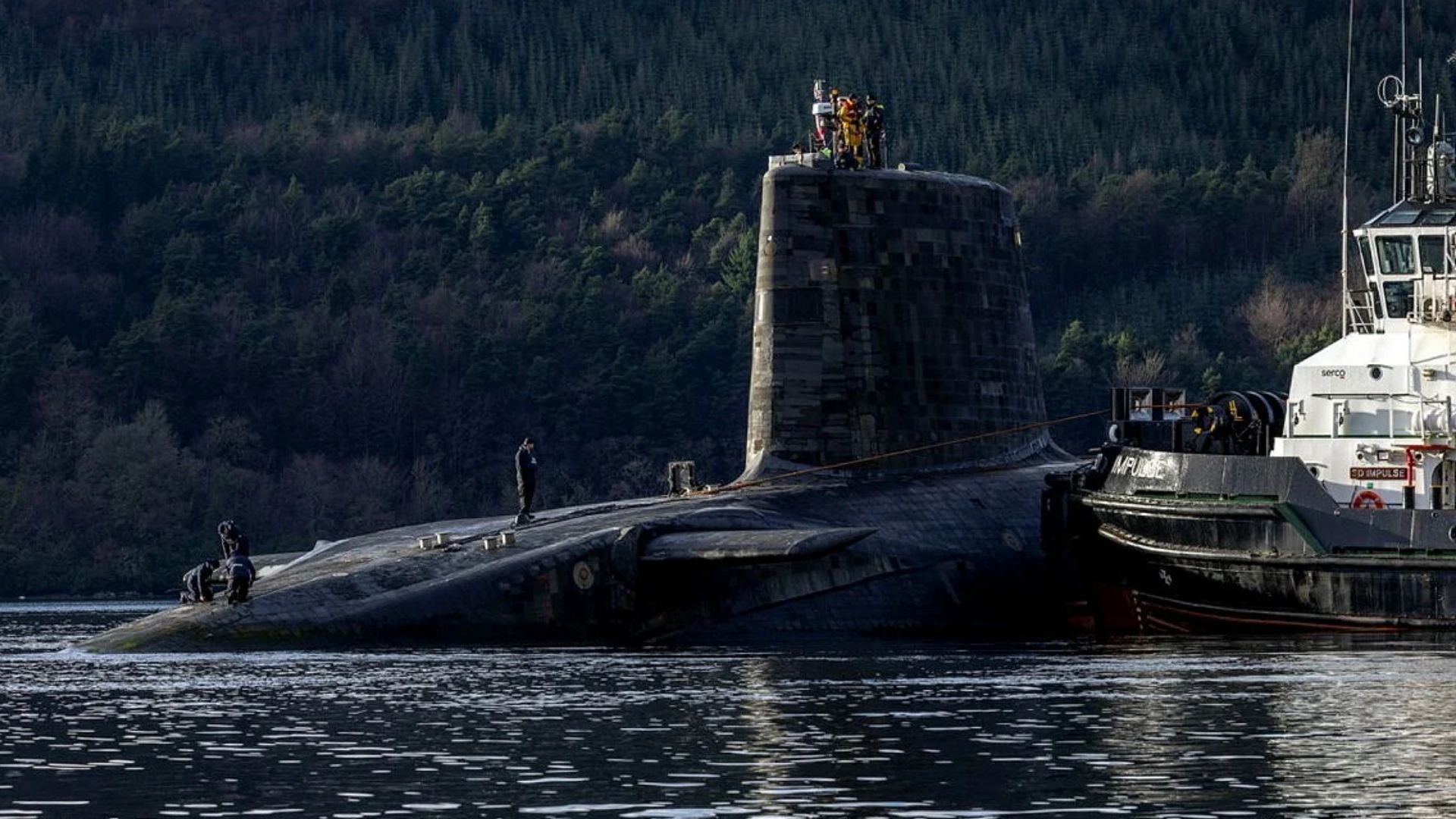
Seven months without sunlight, fresh air, or the ability to reply to a single message from home — that’s the life of sailors living in submarines. For the 140 sailors aboard 15,900-tonne (17,526-ton) HMS Vengeance, that reality finally ended recently when the Royal Navy submarine surfaced and sailed back to its Scottish base at Faslane. Carrying Trident nuclear missiles, the vessel completed a record-breaking 217 days submerged beneath the ocean surface. This is said to be the longest continuous undersea deployment in British naval history. Reportedly, it breaks the previous 205-day record set by sister ship HMS Vanguard just months ago in April. Harsh conditions at sea BBC reported that the Defense Secretary, Wes Streeting, stood at HM Naval Base Clyde to welcome the crew home. As the 492-foot submarine glided up Gare Loch flanked by tugboats, its hull told the story of its prolonged isolation. Thick marine growth covered the exterior, and several of its specialized sound-absorbing tiles had been stripped away during the seven-month mission. Life inside the Vanguard-class submarine operates under extreme secrecy to maintain the United Kingdom’s continuous nuclear deterrent. Since 1969, Britain has kept at least one ballistic missile submarine hidden at sea to ensure a retaliatory strike capability in the event of a nuclear attack. To avoid enemy detection, HMS Vengeance remained in strict radio silence after departing on April 12. Sailors worked six-hour shifts and slept in cramped bunks, up to nine per cabin. Their sole connection to loved ones was the weekly “Familygram,” a heavily vetted 120-word note sent from home. Sailors are strictly forbidden from replying, and officials even withhold bad news if it threatens to compromise a crew member’s focus. Fleet maintenance issues Returning to dry land brings its own disorienting challenges. After breathing nothing but recycled, filtered air for over half a year, sailors often find the natural smells of the outside world completely overwhelming. Living in cramped metal corridors also warps their depth perception, prompting naval doctors to ban the crew from driving for several days while their eyes and brains readjust to open horizons. The record-breaking mission highlights a growing strain on the Royal Navy’s aging submarine fleet. Patrols usually lasted around three months, but six-month deployments have become the exhausting new normal. HMS Vengeance was actually scheduled to return last weekend, though a last-minute technical fault forced its replacement vessel back to port for repairs. The broader fleet faces similar challenges. Commissioned in the 1990s with a 25-year lifespan, the four Vanguard-class boats are being pushed to serve for up to 40 years until the new Dreadnought-class submarines arrive in the early 2030s. Currently, HMS Victorious is tied up in a £560 million deep maintenance overhaul that began in 2023, leaving only three boats operational to carry the entire burden of Britain’s nuclear defense. A four-year delay in starting the Dreadnought replacement submarine program, combined with a slow 15-year construction timeline, has created severe operational and financial consequences. According to a recent Treasury study, delaying the project to save money in the short term has forced costly life extensions for the aging Vanguard submarines and increased operational risks. Addressing concerns over the resulting lengthy patrols, the First Sea Lord emphasized that maintaining the nation’s nuclear deterrent is his top priority, making improvements to submarine maintenance and readiness his primary daily focus. Get the latest in engineering, tech, space & science - delivered daily to your inbox.Mrigakshi is a science journalist who enjoys writing about space exploration, biology, and technological innovations. Her work has been featured in well-known publications including Nature India, Supercluster, The Weather Channel and Astronomy magazine. If you have pitches in mind, please do not hesitate to email her.
17,500-ton ballistic missile submarine surfaces after a record 217 days underwater
Full Article
Original Source
Read the full article at Interestingengineering →KhanList aggregates and links to publicly available news content. We do not host full articles from third-party sources. Always verify important information with original sources.