
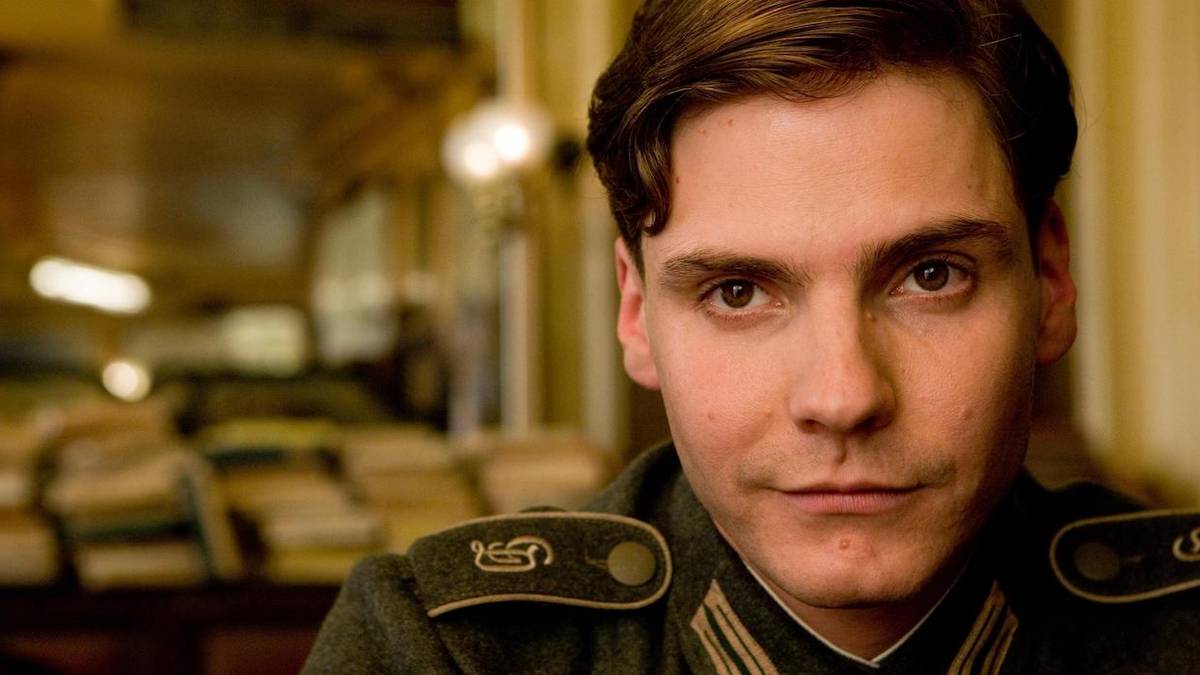
Published Oct 25, 2026, 6:22 AM EDT Kelcie Mattson is a Senior Features author at Collider. Based in the Midwest, she also contributes Lists, reviews, and television recaps. A lifelong fan of niche sci-fi, high fantasy, Gothic horror, elaborate action, and witty detective fiction, becoming a pop culture devotee was inevitable once the Disney Renaissance, Turner Classic Movies, BBC period dramas, and her local library piqued her imagination. Rarely seen without a book in one hand and a cup of coffee in the other, Kelcie explores media history (especially older, foreign, and independent films) as much as possible. You'll also find her enjoying video games, amateur photography, geeking out over all music genres, admiring birds from her porch, trying to overcome her meager baking skills, and attending fan conventions with her Trekkie family. If there’s one thing Quentin Tarantino knows how to do in his sleep, it’s craft impeccable tension. He calibrates scenes of agonizing suspense with enough masterful technique to be Alfred Hitchcock’s successor, using blistering dialogue, punishingly extended pacing, and informative cinematography to convey the stakes and dictate the atmosphere. Perhaps just as importantly, he knows where to strategically place these unsettling puzzle pieces within his cavalcades of excessive violence and profanity-riddled dark humor. They can be flashbacks or foreshadowing, a jarring interruption or a stalling diversion; either way, when it comes to tension, timing is a director's best asset and an audience's worst nightmare. Out of his nine features to date, Inglourious Basterds’ unspeakably haunting opening sequence remains one of the singular moments of his career and a beginning no other World War II drama has yet to surpass. ‘Inglourious Basterds’ Is a Masterclass in Suspenseful Storytelling Image via Universal Pictures Almost two decades later, Inglourious Basterds is still a contender for the title of Tarantino's masterpiece. It exemplifies the best-case scenario, where his craft-related strengths are distilled to their most cutting and cohesive, and the majority of his artistic weaknesses and questionable preoccupations are pruned back. Over the course of its first 11 unbroken minutes, Inglourious Basterds essentially tells a complete three-act saga and table-sets its crux of heroine, villain, vengeance, and revisionist history. To that end (and to invoke an overused metaphor), the fraught segment unravels like the cinematic equivalent of peeling back onion layers. "Subtle" isn't a word usually ascribed to a filmmaker like Tarantino, but every detail of Perrier LaPadite (Denis Ménochet) and Colonel Hans Landa's (Christoph Waltz) cat-and-mouse exchange contributes to an ever-escalating sense of relentless strain: the helplessly remote dairy farm in Nazi-occupied France, the humble house's cozy-turned-claustrophobic confines, LaPadite's three vulnerable daughters, and the multilingual interrogation. Once the stationary camera pans down to reveal Shosanna Dreyfus (Mélanie Laurent) and her entire family huddled underneath their kitchen floorboards, the catastrophic realization and inexorable dread is too blood-curdling to bear. Just one wrong breath could tip the scale into catastrophe. ‘Inglourious Basterds’ Wouldn’t Exist Without Christoph Waltz’s Performance Beyond Tarantino's technical agility, the scene's blood-curdling power rests on Waltz’s generationally-equipped shoulders. The writer-director admits as much; he almost shelved the entire film before finding Waltz. Landa strolls onscreen with an air of extraordinary unpredictability, even within Tarantino's Hollywood world of heightened aesthetics. A vain predator who repeats his comfortable hunting pattern of disarming courtesy and mild absurdism, he mimes innocuous civility just enough to encourage relaxation and tighten the screws of panicked intimidation. He asserts his dominance and unmoors his target long before he springs the trap shut. Landa only spares Shosanna for his private amusement — nothing approximating remorse, and no warning, either. It’s an astonishingly difficult tightrope the Oscar-winner makes look effortless. Taken in their entirety, other World War II films surpass Inglourious Basterds on objective and subjective levels. None, however, commence with such a brutal and functional tableau that ensures its lead's motives and its villain's far-too-clever threat overshadows every successive second. To this day, it’s almost unbearable to rewatch. Ask almost anyone, and the image of Shosanna racing through the grass, sobbing and covered in her family’s blood, or Landa's expression dropping from polite indulgence to the dead-eyed malevolence of a land mine, is seared into their minds.
17 Years Later, This 20-Minute Opener Is Still Better Than Every World War II Movie Since
Full Article
Original Source
Read the full article at Collider →KhanList aggregates and links to publicly available news content. We do not host full articles from third-party sources. Always verify important information with original sources.