
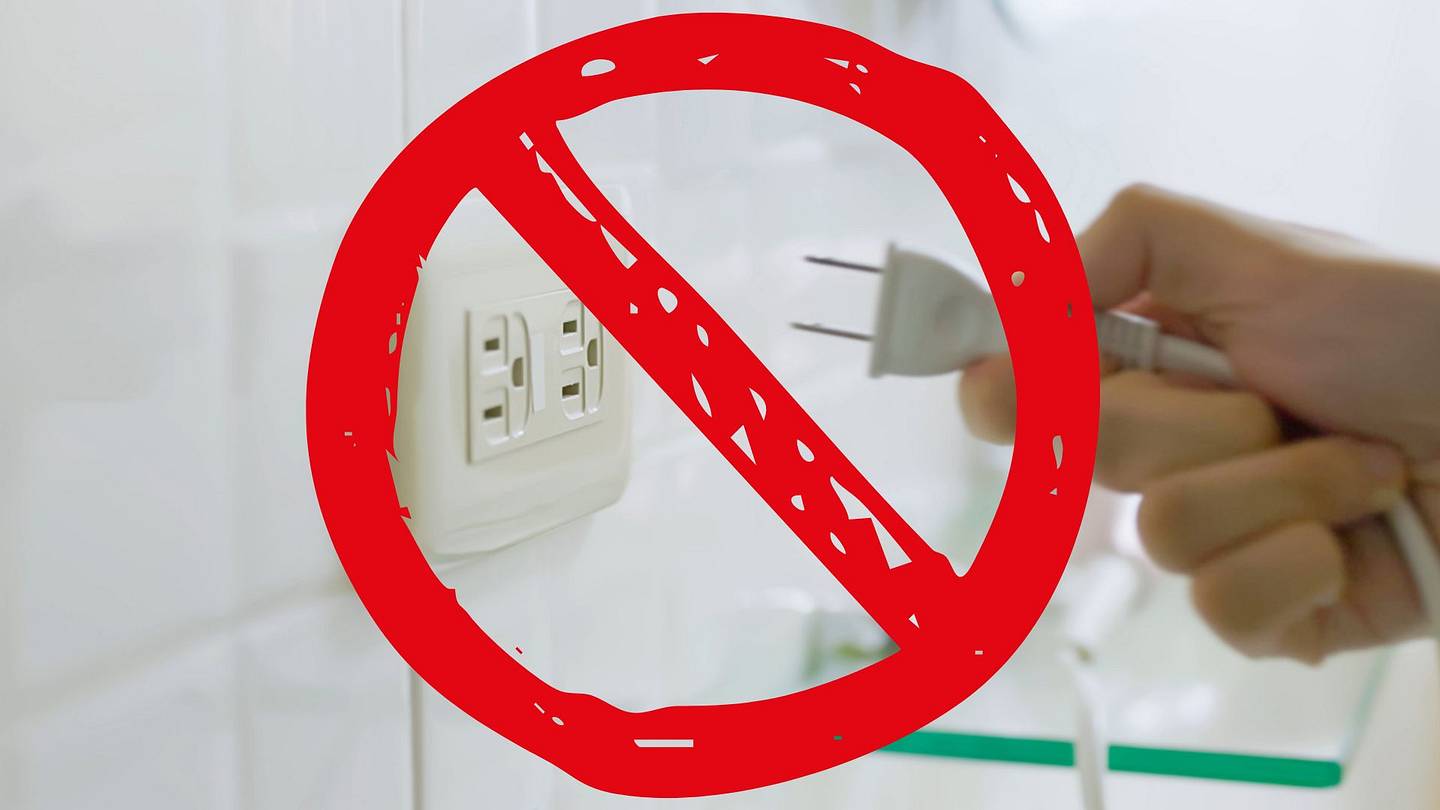
Some people stay calm and collected in an emergency, while others can’t help but panic immediately. It's hard to predict how we would react in any given situation before it happens, but knowing what to do in an emergency can help us handle it effectively.For example, being prepared to respond if someone is unconscious can keep them alive until paramedics arrive. Understanding how to react to accidents and safely handle appliances can quite literally save your life!Just knowing these life-saving facts might not prevent panic (it happens to the best of us), but they can make a difference in (or even reduce the risk of) an emergency. Here are 15 life-saving facts everyone should know. 15 Life-Saving Facts Everyone Should KnowGroup Training Session for CPR and First Aid Certification Practice | FatCamera/GettyImagesIf someone is unconscious and not breathing normally, start CPR. Chest compressions can keep blood flowing to the brain and vital organs until help arrives.Treatments for sprain, bleeding, and burn | leremy/GettyImagesSevere bleeding needs firm, continuous pressure. Direct pressure can slow or stop blood loss and buy time for emergency care.People, demonstration and class for first aid, teaching or recovery position to prevent aspiration. | Jacob Wackerhausen/GettyImagesTurn an unconscious, breathing person onto their side. The recovery position can help keep the airway open and reduce the risk of choking.Building Floor on Fire | JohnnyH5/GettyImagesIf you're trapped in a burning building, close doors behind you as you escape. Closed doors can slow the spread of fire and smoke, potentially giving you more time to get out.Gas leak at home heating boiler. | Evgen_Prozhyrko/GettyImagesIf you smell gas, leave immediately without turning switches on or off. Electrical sparks can ignite accumulated gas.Suffering from heat stroke | Liudmila Chernetska/GettyImagesHeat stroke requires rapid cooling, not just water. Reducing body temperature can help limit potentially fatal organ damage.woman on ice | MikhailZykov/GettyImagesIf you fall through ice, turn toward the direction you came from. That ice already supported your weight; spread your arms over the surface, kick your legs and pull yourself out, then roll away from the hole.flooded and submerged car in water | pamspix/GettyImagesIf your car enters deep water, don't wait for it to fill before escaping. Unbuckle your seat belt, open or break a window if possible, and get out while the vehicle remains accessible.Human Hand with Snake Bite Injury Showing Emergency Medical Situation | Ayudia Fatma/GettyImagesAfter a venomous snakebite, keep the bitten limb still and seek emergency care. Movement can increase circulation and potentially speed up the spread of venom.Poisoning prevention with warning and protective measures outline diagram | VectorMine/GettyImagesDon't induce vomiting after swallowing an unknown substance. Vomiting can cause additional injury with certain poisons; contact Poison Control for instructions.First Alert Smoke Detector | Gado/GettyImagesIf you suspect carbon monoxide, don't open windows and stay inside to investigate. Get everyone into fresh air immediately and call emergency services or the fire department from outside.Lightning discharges | Maksym Isachenko/GettyImagesIf lightning strikes nearby, don't shelter under a lone tree. Trees can conduct lightning and expose people nearby to dangerous electrical currents.Three metallic fishing hooks | ismagilov/GettyImagesIf a fishhook is deeply embedded in your skin, don't yank it out. Trying to remove an embedded hook can cause more tissue damage; cover it and seek medical care.Warning Sign at the Beach | LisaInGlasses/GettyImagesIf you’re caught in a rip current, swim parallel to the shoreline. Rip currents pull swimmers away from shore, but swimming parallel to the beach can help you escape the current before heading back toward land.fire and smoke on electric wire plug | ByoungJoo/GettyImagesIf you suddenly smell something burning from an electrical outlet, don't unplug the device. If there's an electrical fault, handling the plug could expose you to a shock; turn off power at the breaker if it is safe to do so and get away from the area.Read More:
15 Life-Saving Facts Everyone Should Know
Full Article
Original Source
Read the full article at Mentalfloss →KhanList aggregates and links to publicly available news content. We do not host full articles from third-party sources. Always verify important information with original sources.