
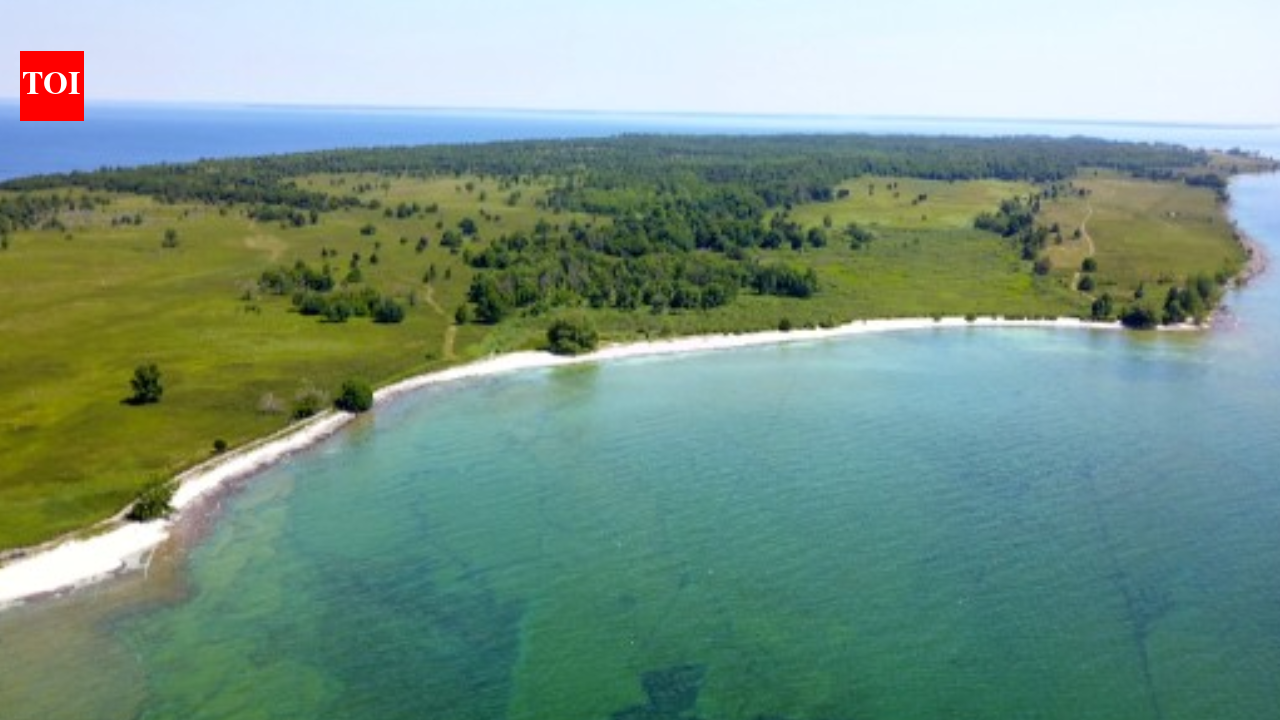
A privately owned island in Lake Ontario has received permanent conservation protection after a major agreement with a New York land trust. The Thousand Islands Land Trust (TILT) has secured a conservation easement covering 1,410 acres of Galloo Island, protecting its forests, wetlands, shoreline and wildlife habitats from future development. The agreement, reported by local broadcaster WWNY and The Land Report, is the largest conservation project by acreage in TILT’s history. The organisation announced the protection as a significant step towards safeguarding one of the region’s ecologically important landscapes.A $3 million deal to protect the islandThe conservation agreement was completed in partnership with Galloo Island Farms, the family partnership that acquired the property in December 2021 for $5.8 million. The purchase was made by the Patten family, which had previously owned much of the island and returned with plans to restore its farmland and protect its natural landscape.According to The Land Report, the conservation easement is valued at approximately $3.1 million, while WWNY reported the expenditure at $3 million. It is the largest single conservation expenditure made by the Thousand Islands Land Trust. The easement covers roughly 70 per cent of Galloo Island, making it a substantial addition to the region’s protected land. The agreement was negotiated between TILT, Galloo Island Farms and the New York State Department of Environmental Conservation.Ownership remains with the Patten familyDespite the conservation agreement, Galloo Island has not become public property. The Patten family retains ownership of the protected land, and the easement does not amount to a sale or transfer of the island to the land trust. Instead, it is a legally binding arrangement that places restrictions on how the property can be used and developed. These conditions are intended to ensure that the island’s natural features remain protected even if ownership changes in the future.The agreement also does not make Galloo Island a new tourist destination. Visitors cannot assume they have public access to the property, and restrictions extend to activities around the shoreline, including fishing. The arrangement is an example of how conservation easements allow private landowners to retain their property while permanently limiting activities that could damage its environmental value.Why Galloo Island matters to conservationistsLocated in Lake Ontario, Galloo Island is recognised for its diverse natural habitats, including forests, wetlands, grasslands and extensive shoreline. These environments provide shelter and feeding grounds for a range of wildlife, including rare, threatened and endangered species.The island also serves as an important stopover for migratory birds and monarch butterflies. Among the wildlife recorded in the area are short-eared owls and golden eagles. For TILT, protecting the island is particularly significant because of its ecological importance and the development pressures it has faced over the years. Earlier proposals for wind energy projects had raised concerns about the island’s future, although neither project ultimately moved forward. The latest conservation agreement provides long-term protection for the landscape while allowing the property to remain privately owned.A significant addition to New York’s conservation effortsFounded in 1984, the Thousand Islands Land Trust works to protect natural landscapes, wildlife habitats, water quality and outdoor recreation opportunities across the Thousand Islands region, which stretches along the US-Canada border. According to its website, the organisation has protected more than 15,000 acres through land ownership and conservation easements. Its portfolio includes forests, wetlands, shoreline properties and nature preserves.The Galloo Island agreement adds to those efforts and marks TILT’s first conservation easement purchase in the eastern part of Lake Ontario. While the island will remain privately owned and unavailable for general public recreation, its forests, wetlands and wildlife habitats now have an additional layer of permanent legal protection. The agreement ensures that the island’s ecological value will be considered in how the land is managed for generations to come.
1,410 acres on NY's Galloo Island protected by $3m deal, still privately owned
Full Article
Original Source
Read the full article at Timesofindia →KhanList aggregates and links to publicly available news content. We do not host full articles from third-party sources. Always verify important information with original sources.