
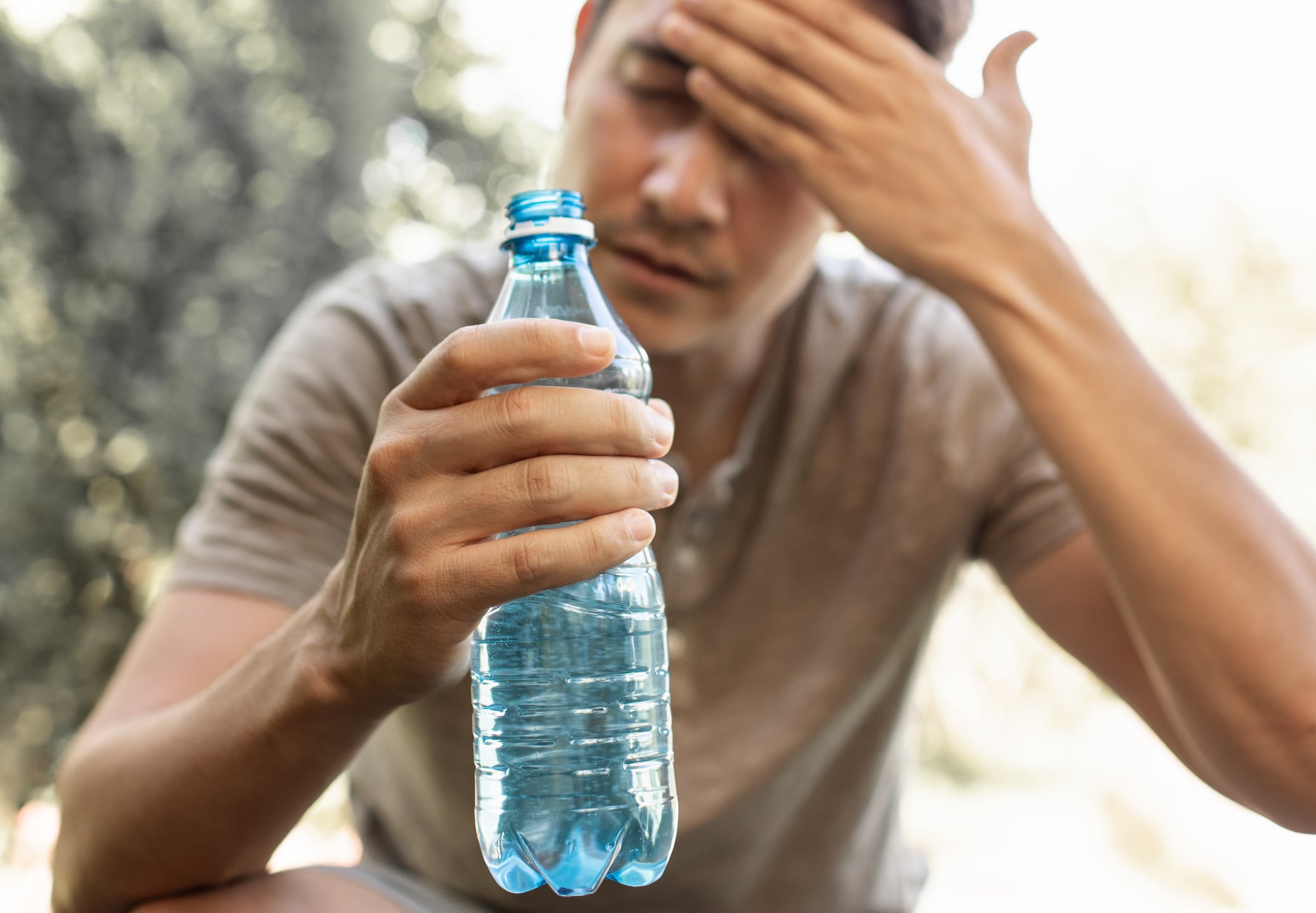
From healthier skin to sharper thinking, here are 13 reasons why staying hydrated is essential during South Africa's scorching summer. South Africa’s summer heat brings another health risk, and dehydration can affect everything from concentration and physical performance to kidney health and blood circulation. Many South Africans got a taste of the heat firsthand while queuing during this year’s local government elections on Wednesday. It wasn’t just hot; it was damn hot! High temperatures, outdoor activity and prolonged exposure to the sun can cause substantial fluid loss through sweating. Without enough water, the consequences can range from headaches and fatigue to potentially life-threatening medical complications. Medical doctor and psychologist Dr Jonathan Redelinghuys warned that thirst was not always a reliable early indicator of dehydration, particularly during extreme heat. “Water is not just something we drink when we are thirsty. Almost every organ in the body depends on it to function properly. During summer, we lose more fluid through perspiration, and people often underestimate how quickly dehydration can develop,” Dr Redelinghuys said. Keep your body cool Sweating helps prevent your body from overheating. As perspiration evaporates from the skin, it removes heat and lowers body temperature. Dehydration can interfere with this process, making it harder to stay cool, particularly during physical activity. Prevent heat exhaustion Dehydration increases the risk of heat-related illness. Warning signs of heat exhaustion include heavy sweating, weakness, nausea, headaches and dizziness. Heatstroke is more dangerous and can cause confusion, collapse and organ damage. “Dehydration and extreme heat can be a dangerous combination. Heatstroke is a medical emergency, and drinking water alone will not reverse it,” Dr Redelinghuys said. Drink water, lots of it, this summer. Picture: Hein Kaiser Maintain energy levels Even mild dehydration can leave you tired and sluggish. Physical activity in hot weather increases fluid losses, making regular water intake important for endurance. Outdoor workers, athletes and anyone spending extended periods in the sun face greater risks. Support muscle function Heavy sweating removes water and electrolytes, including sodium. These losses can contribute to muscle cramps, although fatigue and physical exertion can also play a role. During prolonged activity in extreme heat, replacing lost fluids and electrolytes becomes particularly important. Keep your brain sharp Dehydration can affect concentration, alertness and mood. Headaches, irritability and difficulty focusing are among the possible symptoms. Drinking enough water helps keep your brain working properly and might even make you more pleasant company. Protect your kidneys Your kidneys filter waste from the bloodstream and regulate the body’s fluid balance. Severe dehydration reduces blood flow to these organs and can cause acute kidney injury. The danger is greater during prolonged heat exposure, particularly among people with existing kidney problems. Reduce kidney stone risk Concentrated urine increases the likelihood of minerals crystallising into kidney stones. Drinking enough water dilutes urine and reduces the chances of stones forming, particularly among people who have previously experienced them. “Concentrated urine increases the risk of kidney stones. Drinking sufficient water also helps reduce recurrent urinary tract infections in some people,” Dr Redelinghuys noted. Hydration prevents constipation. Picture: iStock Prevent constipation Too little water can leave you constipated. When the body is dehydrated, the colon absorbs more moisture from waste, producing harder stools that are difficult to pass. Drinking sufficient fluids, alongside adequate fibre intake, helps maintain regular bowel movements. Support healthy blood pressure Dehydration can reduce circulating blood volume, affecting blood pressure and the body’s ability to deliver oxygen and nutrients. Maintaining sufficient fluid intake helps circulation, particularly during hot weather when blood vessels expand to release heat. Reduce urinary tract infections Drinking enough water encourages regular urination, which helps flush bacteria from the urinary tract. Research suggests that increasing water intake can reduce recurrent urinary tract infections in women who ordinarily drink too little water. Protect older people Ageing can weaken the body’s thirst response, making dehydration harder to recognise. Certain medications, including diuretics, can increase fluid loss and further complicate matters. “Older people are particularly vulnerable because their sense of thirst may not be as reliable as it was when they were younger. Certain medications can make matters worse, so regular fluid intake becomes especially important during heatwaves,” Dr Redelinghuys said. Prevent dizziness and falls Heat and dehydration can cause blood pressure to drop, particularly when standing up suddenly. The resulting dizziness or lightheadedness can lead to falls and injuries. Although older people face greater risks, dehydration-related fainting can affect anyone. Keep your skin healthy and supple Your skin needs sufficient water to maintain its normal protective function. Dehydration can leave it feeling dry, tight and less supple, while temporarily making fine lines more noticeable. However, drinking additional water does not necessarily improve skin appearance in people who are already adequately hydrated. “Your skin is your body’s largest organ, and dehydration can affect how it looks and feels. Drinking enough water supports normal skin function, but it is not a miracle cure for wrinkles or ageing,” Dr Redelinghuys said. Stay hydrated this summer. Picture: Hein Kaiser Drink smart this summer Water should remain the first choice for everyday hydration. Drink regularly throughout the day and increase fluid intake during strenuous activity or prolonged heat exposure. Electrolyte replacement may be necessary when sweating heavily for extended periods. Pale yellow urine generally suggests adequate hydration, although urine colour can also be affected by medication and supplements. “There is no magic number of glasses that works for everyone. Your fluid requirements depend on your age, activity levels, health and how much you are sweating,” Dr Redelinghuys added. People with medical conditions requiring fluid restrictions should follow their doctor’s advice.
13 reasons why your body needs more water this summer
Full Article
Original Source
Read the full article at Citizen →KhanList aggregates and links to publicly available news content. We do not host full articles from third-party sources. Always verify important information with original sources.