
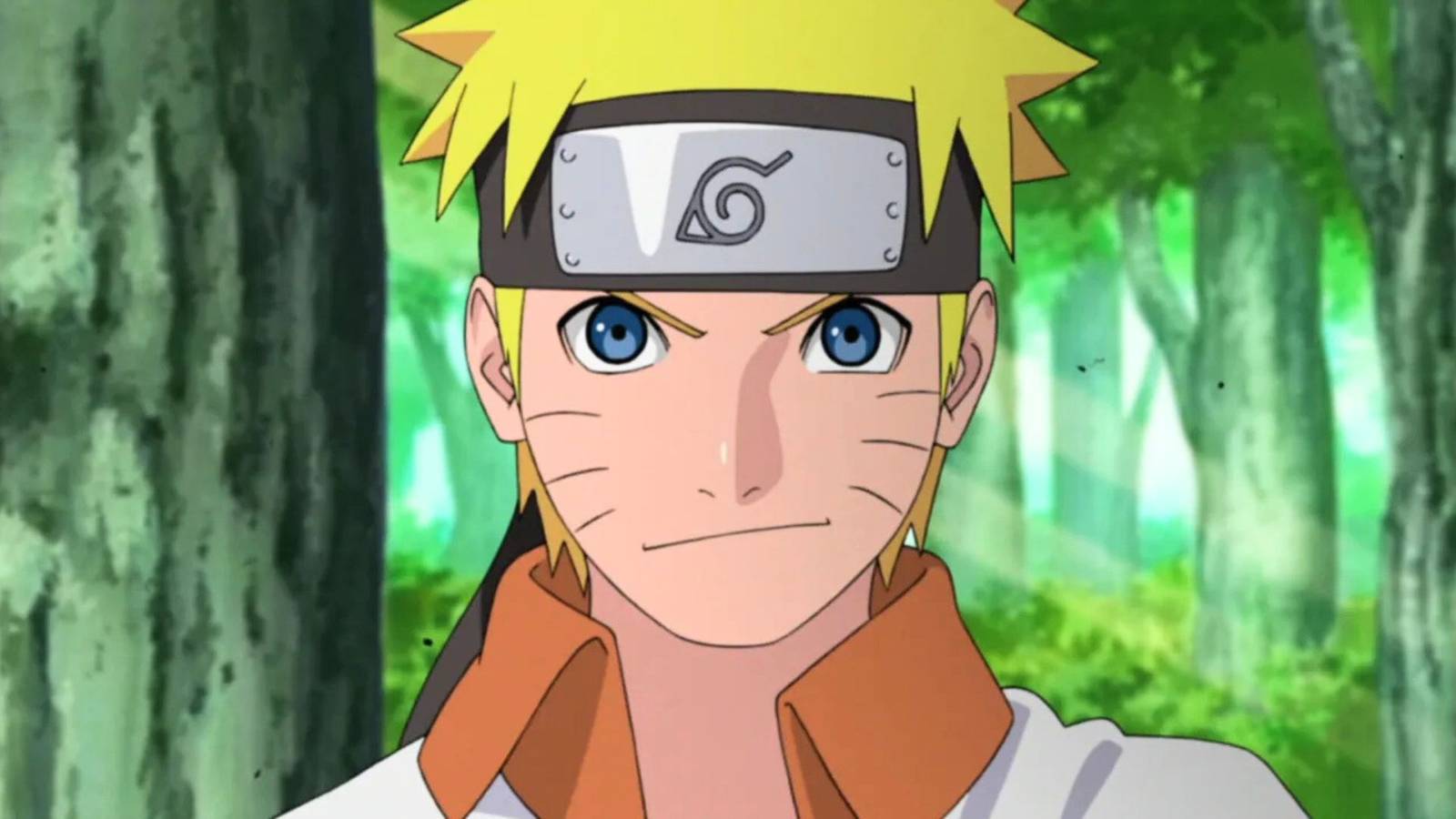
Published Sep 25, 2026, 11:35 PM EDT Dhruv is a Lead Writer in Screen Rant's New TV division. He has been consistently contributing to the website for over two years and has written thousands of articles covering streaming trends, movie/TV analysis, and pop culture breakdowns. Before Screen Rant, he was a Senior Writer for The Cinemaholic, covering everything from anime to television, from reality TV to movies. After high school, he was on his way to become a Civil Engineer. However, he soon realized that writing was his true calling. As a result, he took a leap and never looked back. Naruto begins like most typical shōnen anime. It centers around a misfit titular lead who is often misunderstood by those around him. Yet, he dreams big and hopes to become the Hokage someday. As the show progresses, it features everything from gripping training arcs to slam-bang battle sequences, walking through many classic tropes that define shōnen. Despite dabbling with many familiar shōnen themes and narrative devices, however, Naruto finds its distinct identity in morally grey conflicts and incredibly well-written villains. Interestingly, towards the end, the main Naruto anime even attempts to switch to a new genre instead of coming off as a typical shōnen series. This shift in the anime's genre favors it in more ways than one. At the same time, though, it seems like too radical of a shift for its story, which almost ruins narrative momentum. Naruto's legacy as one of the greatest shōnen anime of all time remains unmatched. However, in hindsight, it is hard not to wonder if its genre shift was even necessary. Naruto's Ending Abruptly Switched To Sci-Fi After initially being a fantasy action series about martial arts, folklore, and magic, Naruto suddenly attempted to pivot to sci-fi towards the end. Almost throughout Naruto's run, ninjutsu and chakra were understood as spiritual and physical energy native to humanity. However, near the final arc, the whole power system was reframed with a sci-fi angle and associated with alien parasites. The progenitor of all chakras, Kaguya Otsutsuki, was revealed to be an alien who arrived on Earth from a distant planet. Naruto even delved into the details of this development, which made it even more sci-fi. It established that Kaguya's species traverse the cosmos in pairs. They plant massive "god trees" on planets that drain life forces and condense them into fruits called Chakra Fruits. Anyone who consumes this fruit evolves by getting access to the planet's genetic data. Even ninjutsu's origin gets a sci-fi angle. It is revealed that Kaguya broke protocol by eating the fruit and having children on Earth. As a result, her genes were passed down to more and more generations, allowing humans to possess ninjutsu. Naruto's inclination towards sci-fi should not be surprising, though, considering Masashi Kishimoto's interest in the genre. Right after wrapping up Naruto, Kishimoto followed it up with Samurai 8: The Tale of Hachimaru. The manga merged classic samurai culture with everything from space opera aesthetics to cybernetics. Although the manga had a relatively shorter run, it highlighted Kishimoto's growing interest in sci-fi and desire to elevate his work above the conventions of fantasy and shōnen. Boruto Is Best When It Moves Away From The Sci-Fi Elements After Naruto, Boruto doubled down on embracing the franchise's sci-fi elements. In many story beats, Boruto introduces scientific ninja tools, like the Shinobi Gauntlet, as plot devices. Even some antagonists in the Naruto follow-up have cybernetic extensions and weaponized technology that can absorb energy and attacks. Cloning and bioengineering, too, are major drivers of some arcs in Boruto. While these sci-fi elements allow the series to be more relevant for the times, it is hard not to deny that even Boruto is better off without them. Since the beginning, Naruto's true appeal has not come from its ability to bend genres and adopt high-concept sci-fi ideas. Instead, the franchise is so loved because it has always prioritized emotional stakes over forced power creep. Even during its battle scenes, some of the best fight sequences had less to do with over-the-top displays of gadgets and technology and more to do with tactical and well-choreographed ninjutsu. Perhaps this is one of the reasons why Boruto's Time Slip Arc is considered the best by many, because it strips all modernism from the series and allows it to embrace the low-tech era that made Naruto so incredibly special. Naruto Release Date 2002 - 2007-00-00 Naruto is an action-adventure anime series based on the manga series created by Masashi Kishimoto. The titular Naruto Uzumaki is a fearsome Nine-Tailed Fox Spirit sealed inside him, which once wreaked havoc on his village. Shunned by his community yet determined to earn their respect, Naruto dreams of becoming the greatest ninja, the Hokage. This series follows his journey through the Ninja Academy as he continues to train and grow, hoping to prove himself to his peers- and himself. Cast Junko Takeuchi, Noriaki Sugiyama, Chie Nakamura, Kazuhiko Inoue, Hidekatsu Shibata Showrunner Masashi Kishimoto Directors Hayato Date Writers Masashi Kishimoto Franchise(s) Naruto Main Genre Animation Creator(s) Masashi Kishimoto Seasons 1 Number of Episodes 220 Creator Masashi Kishimoto Streaming Service(s) Netflix, Crunchyroll, Amazon Prime Video, Peacock, The Roku Channel, Amazon Freevee, Hulu, Hoopla, Pluto TV, Tubi Studio Pierrot Based On Manga MyAnimeList Score 8
12 Years Later, I Still Can't Forgive Naruto For Abruptly Switching Genres
Full Article
Original Source
Read the full article at Screenrant →KhanList aggregates and links to publicly available news content. We do not host full articles from third-party sources. Always verify important information with original sources.