
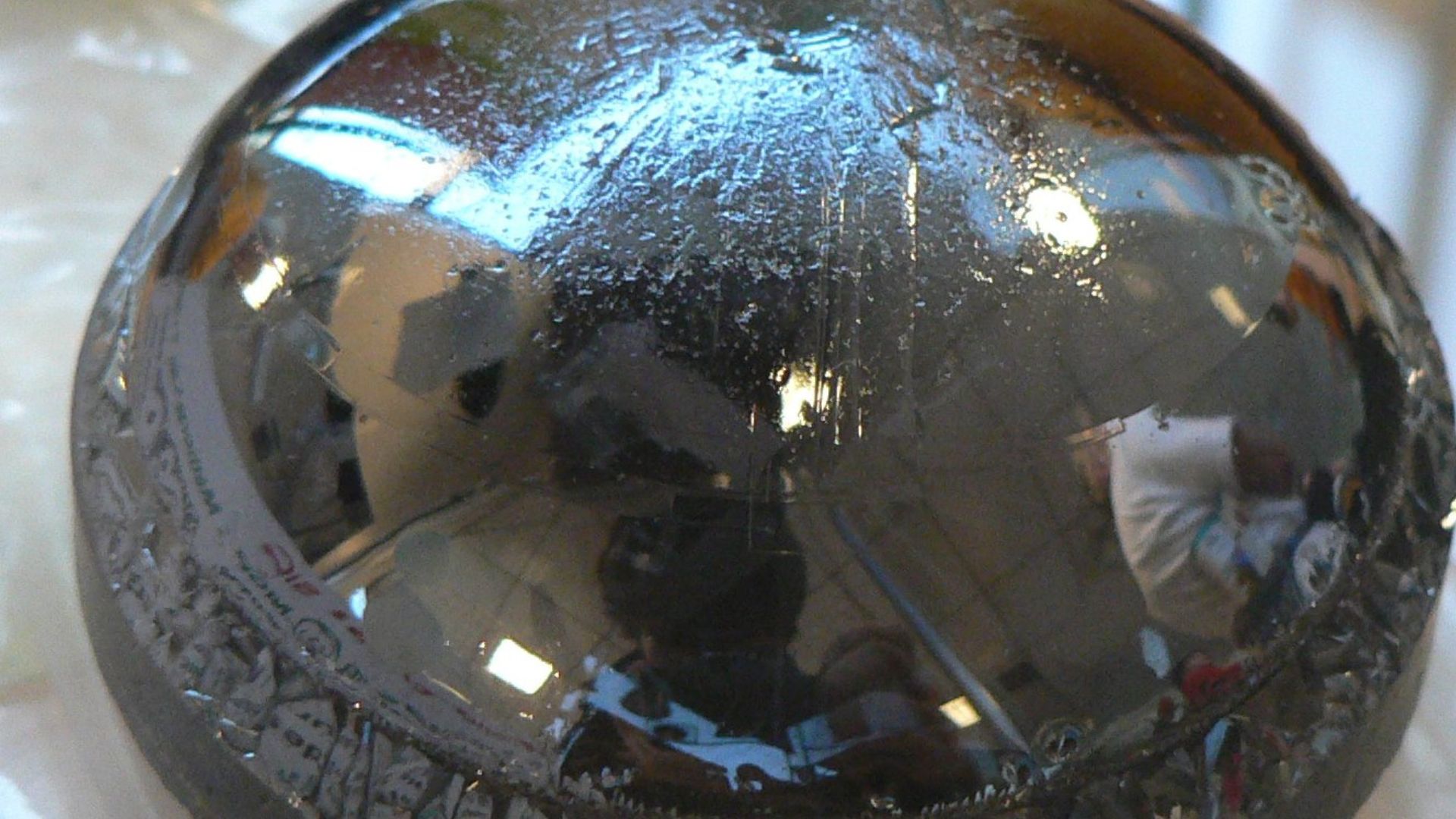
Researchers at Kyoto University have developed a silicon carbide (SiC) transistor designed to operate at temperatures as high as 1,112 degree Fahrenheit (600°C). The breakthrough could help advance electronics for extreme environments, where conventional silicon-based devices struggle to function reliably. The team focused on addressing key limitations that have prevented silicon carbide electronics from moving beyond basic research toward practical applications. Their new device is based on a junction field-effect transistor design and demonstrates stable electrical characteristics across a wide temperature range. SiC transistor breakthrough Researchers at Kyoto University’s new device aim to eventually help bring electronic systems into places where extreme temperatures make ordinary silicon-based components unreliable. These include applications such as deep-space exploration, geothermal drilling and control systems inside aircraft engines. The team says their design addresses two major problems that have limited the use of silicon carbide transistors at very high temperatures: difficulty controlling how the transistor switches and unwanted electrical leakage when temperatures rise. Silicon carbide, or SiC, has long been considered a promising material for electronics that must work in harsh conditions. It can withstand strong electric fields and high temperatures, making it attractive for high-power and extreme-environment applications. Researchers have already demonstrated silicon carbide circuits operating at temperatures above 932°F (500°C), but turning these laboratory demonstrations into more reliable and practical electronics has remained challenging. The Kyoto University team focused on a type of transistor called a junction field-effect transistor, or JFET. Earlier versions used a conventional design in which the gate was placed above the channel through which electricity flows. However, this arrangement made it difficult to accurately control the transistor’s threshold voltage, the voltage at which it switches on. At high temperatures, the devices also developed unwanted leakage currents through the material underneath them. Tackling extreme heat To address the first problem, the researchers moved the gate underneath the channel, creating what is known as a bottom-gate structure. This design helped reduce the effects of a phenomenon called ion channeling, in which implanted atoms can travel deeper into the silicon carbide than expected. As a result, the researchers were able to control the transistor’s threshold voltage much more accurately. At 673 K, or about 751.7°F (400°C), the difference between the intended and measured threshold voltage was reduced to less than 0.1 volts. The team then addressed the leakage problem by adding a double-well structure to the device. Instead of relying on the electrical resistance of the underlying material to isolate parts of the transistor, the new design used a p-n junction for isolation. This prevented unwanted current from passing through the device as temperatures increased. The improved transistor continued to operate normally at 873 K, equivalent to 1,112°F. It also maintained an on-off ratio above 1,000 at that temperature, showing that it could still clearly switch between conducting and non-conducting states. “This study shows that SiC is already a mature power-device technology in itself and demonstrates the potential of the newly developed bottom-gate structure for implementing reliable, extreme-temperature SiC-based integrated circuits,” said the team in a statement. The researchers say the results could help advance silicon carbide integrated circuits designed for extreme environments. Such electronics could eventually reduce the need for heavy cooling and thermal protection in applications that operate under intense heat. Get the latest in engineering, tech, space & science - delivered daily to your inbox.Jijo is an automotive and business journalist based in India. Armed with a BA in History (Honors) from St. Stephen's College, Delhi University, and a PG diploma in Journalism from the Indian Institute of Mass Communication, Delhi, he has worked for news agencies, national newspapers, and automotive magazines. In his spare time, he likes to go off-roading, engage in political discourse, travel, and teach languages.
1,112°F: New silicon carbide transistor could be used for electronics in extreme heat
Full Article
Original Source
Read the full article at Interestingengineering →KhanList aggregates and links to publicly available news content. We do not host full articles from third-party sources. Always verify important information with original sources.