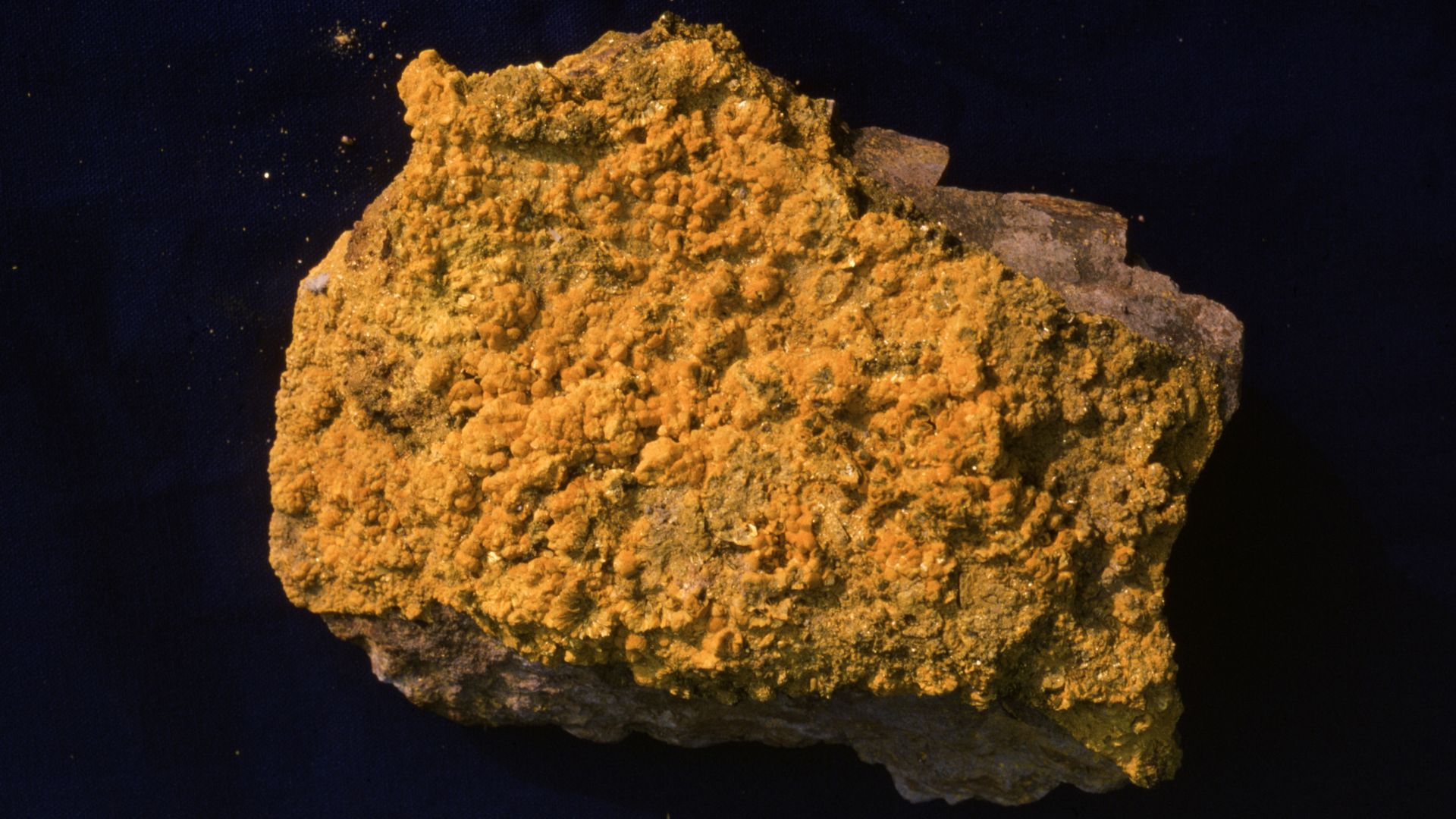
Researchers at the University of Wisconsin-Madison and Princeton in the US have found that between 2000 and 2024, large quantities of uranium were extracted, concentrated and exported from the Democratic Republic of Congo (DRC) as part of the country’s cobalt supply chain. Estimates suggest that 2,000-5,000 metric tons (4.4 – 11 million pounds) of radioactive material were exported, even as the DRC has not reported uranium production in decades. As a radioactive material, uranium finds itself useful to make carbon-free energy as well as nuclear weapons. The International Atomic Energy Agency (IAEA) is monitors the movement of natural uranium as well as yellowcake (concentrated uranium) to ensure that the material is exclusively used for peaceful purposes and strict global safety and security standards are followed during its transport. To ensure compliance with non-proliferation treaties, the IAEA insists that exporting and importing nations report transfers to the agency and that nuclear material inventories remain trackable. With annual production of natural uranium pegged at 55,000-65,000 tons, the amount of uranium exported from the DRC without the IAEA being informed assumes major significance. How Congo exported uranium The DRC is the world’s leading source of cobalt, a key ingredient as the planet looks to transition to cleaner sources of energy. From electric vehicles (EVs) to solar and wind-based energy plants, all clean energy technologies rely on lithium-ion batteries to store energy. Cobalt is critical in a Li-ion battery since it forms the cathode (positive electrode), which gives the battery its high energy density and stability. The Copperbelt is the DRC is where most of the world’s supply of cobalt comes from. However, in this region, cobalt naturally co-occurs with uranium. “When companies are mining specifically for the cobalt mineral in this region, they’re also extracting relatively high quantities of uranium because the uranium is hitching a ride on the cobalt,” explained Ryan Manzuk, a researcher at UW–Madison and at Princeton University, who was involved in this work. “And when you’re mining cobalt ore near somewhere that used to be mined for uranium, which is the case in the DRC, you could have quite a lot of uranium associated with it.” Unless the uranium is removed from the cobalt, it stays along with it during the extraction and processing and is exported as raw material. Where did the uranium go? China is home to about 95 percent of the world’s cobalt refineries. So, much of this uranium was sent to China. The estimated 2,000-5,000 metric tons of uranium is sufficient to produce anywhere between 600-1,500 nuclear warheads. If used for peaceful purposes, this could fuel a light water reactor for upto 25 years, the study has determined. “Because this uranium is undeclared and not officially reported as being mined and extracted, it has no limitation placed on its end use,” added Sebastian Phillippe, a nuclear security expert and assistant professor at UW-Madison. ”It could end up in a civilian nuclear energy program or in a military program, because nobody is going to ask where this uranium is going. It’s not on the books.” The researchers do not think that this was done intentionally but the volumes of uranium exported without involving the IAEA raise concerns. The team also estimates that between 1,000-4,000 metric tons of uranium was released in mine tailings – waste stream from mining, which raises health concerns for miners and communities near the mines. “Based on what we found, I think there needs to be an extensive national audit of mining in the DRC and new rules for separating uranium from the cobalt supply chain,” concluded Philippe in the press release. “There’s also a need for surveillance and monitoring mechanisms to ensure this is happening in an environmentally responsible way.” The research findings were published in Nature Communications. Recommended ArticlesGet the latest in engineering, tech, space & science - delivered daily to your inbox.Ameya is a science writer based in Hyderabad, India. A Molecular Biologist at heart, he traded the micropipette to write about science during the pandemic and does not want to go back. He likes to write about genetics, microbes, technology, and public policy.
11 million pounds of uranium may have been shipped to China unofficially, finds study
Full Article
Original Source
Read the full article at Interestingengineering →KhanList aggregates and links to publicly available news content. We do not host full articles from third-party sources. Always verify important information with original sources.