
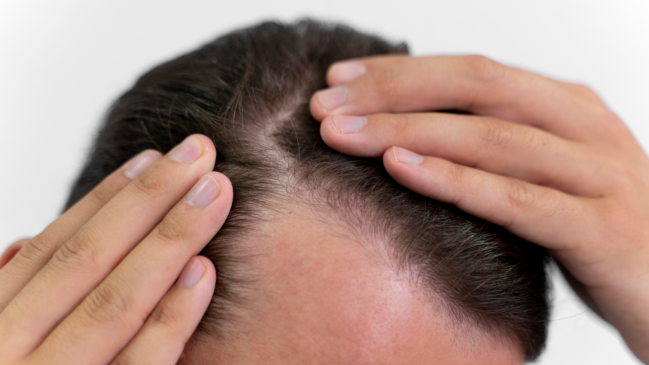
An oral drug originally developed to treat arthritis has shown significant potential for people with severe alopecia areata, with some patients experiencing complete scalp hair regrowth in two international clinical trials. Researchers tested upadacitinib, a once-daily medication that suppresses the immune response, in patients whose immune systems attack their own hair follicles. The trials involved hospitals across North America, Europe and China and included people who had lost most of their scalp hair. Participants on average had lost about 84% of their scalp hair before entering the studies, with results suggesting that targeting the underlying immune response could provide a powerful treatment option for people with severe and persistent forms of the autoimmune disease. Targeting the immune response Alopecia areata occurs when the immune system mistakenly attacks hair follicles, causing hair to fall out. The condition can range from small, isolated patches to extensive hair loss affecting the scalp, eyebrows and body. Upadacitinib belongs to a class of medicines known as Janus kinase, or JAK, inhibitors. These drugs work by blocking signals involved in the immune system’s inflammatory response. Researchers believed that suppressing these signals could also prevent the immune system from attacking hair follicles. The two trials were conducted at medical centers across several regions and focused on patients with severe alopecia areata. Some participants had experienced no meaningful hair regrowth for at least six months, the South China Morning Post reported. Patients were randomly assigned to receive either 15 milligrams or 30 milligrams of upadacitinib, or a placebo, once daily. Researchers then tracked changes in scalp hair coverage over the course of the trials. Significant regrowth after 24 weeks The results, published August 12 in JAMA Dermatology, showed that the drug produced substantially more hair regrowth than placebo treatment. After 24 weeks, roughly half of the patients receiving either dose achieved at least 80% scalp hair coverage. A subset of participants experienced even more extensive regrowth, with some reaching complete or near-complete restoration of scalp hair. The results are particularly notable because the participants began the trials with extensive hair loss. An average loss of about 84% of scalp hair meant that many patients had relatively little hair remaining when treatment started. The findings also suggest that meaningful improvement can occur within months rather than requiring years of treatment. However, the degree and speed of regrowth varied between patients. Upadacitinib is already used for several inflammatory conditions, including rheumatoid arthritis and other forms of arthritis. Its potential application in alopecia areata could therefore build on an existing understanding of the drug’s mechanism and safety profile. The researchers caution that longer-term treatment and follow-up will be important to determine how durable the hair regrowth is and how the benefits compare with potential risks. For patients with severe alopecia areata, however, the results point to a potentially important progress in treatment. Get the latest in engineering, tech, space & science - delivered daily to your inbox.Bojan Stojkovski is a freelance journalist based in Skopje, North Macedonia, covering foreign policy and technology for more than a decade. His work has appeared in Foreign Policy, ZDNet, and Nature.
100% hair restored: Arthritis drug proves efficacy, some patients report hair regrowth in trial
Full Article
Original Source
Read the full article at Interestingengineering →KhanList aggregates and links to publicly available news content. We do not host full articles from third-party sources. Always verify important information with original sources.