
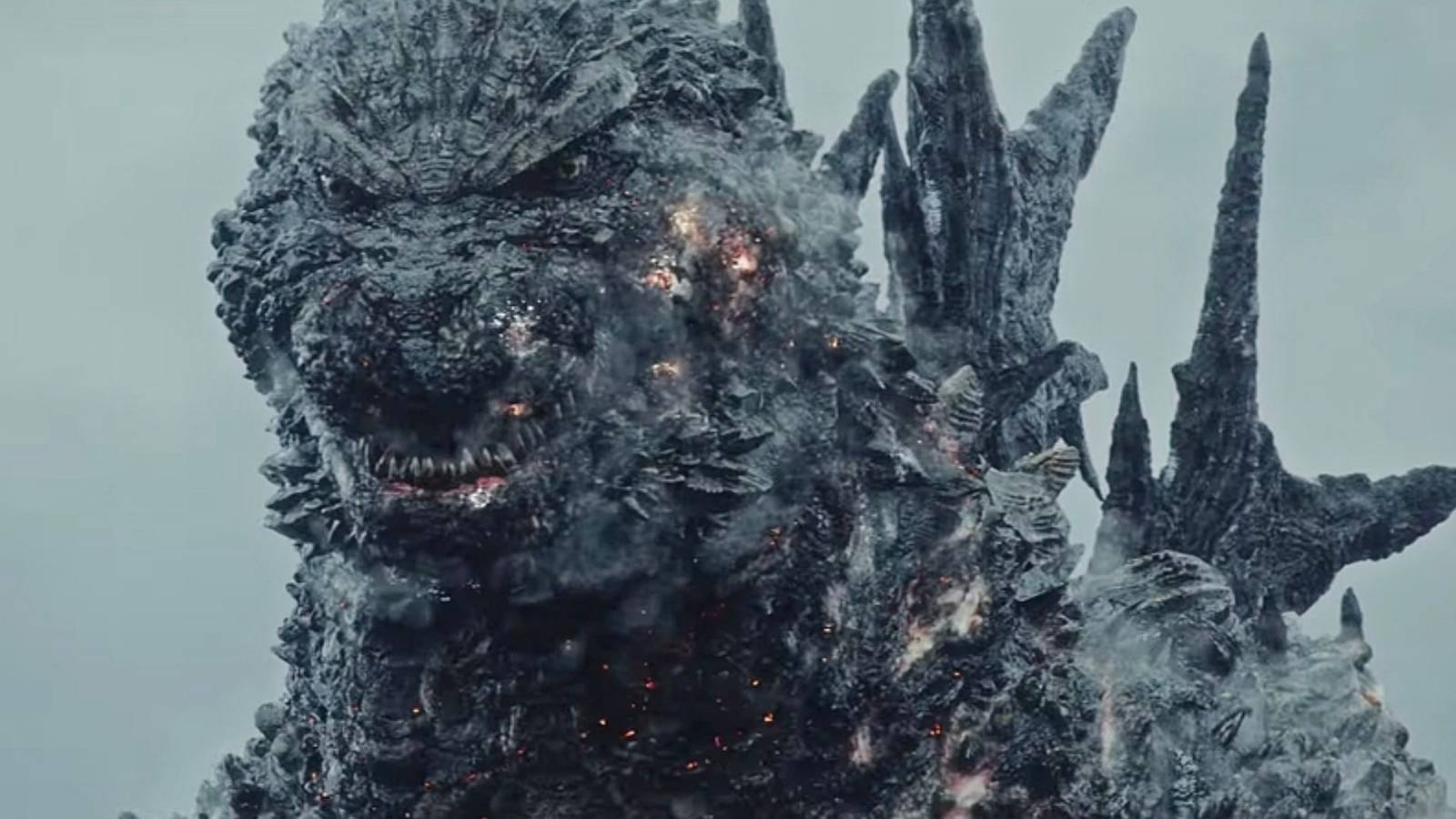
The sci-fi genre has provided plenty of stellar plot twists that remain iconic even decades after their film debuts - and in some cases, only grow better with time. One of the most interesting faucets of the sci-fi genre is the way in which many films look different as the years go by, either because we get near or enter the futuristic year these stories were set in, or because of the ways modern technology or filmmaking has developed since then. Though a lot of finer details change over the years and decades, many of the anxieties and cautionary tales that sci-fi movies delve into are as pressing now as they were long ago, and in many cases are even more pressing because of our progression as a society and technologically. As such, the plot twists of many sci-fi movie classics only hit harder or have more dimension today, which makes viewing them in the present day a fascinating if sometimes surreal experience, especially given many of these films were made many decades ago in the earlier era of the sci-fi genre and its landscape. Soylent Green Is People Soylent Green The plot twist of Soylent Green is also crucial as the biggest and most important plot point of its story. The murder mystery of why a member of the Soylent Corporation board has been killed unravels into the eventual reveal that the company's newest product, Soylent Green, is made out of human bodies, and that the board member was killed for being morally conflicted on the matter and thus a liability to the company. This was a potent twist when it was first unveiled, and has become all the more potent in the years since - at first because its fictional 2022 setting was harrowing to think about in 2022 itself, and because every year after that makes the film even more harrowing in a way, since this was a story the creative team considered audiences would buy being set in a year that is now a fair chunk of time behind us. Of course, with concerns about matters such as global warming and pollution having not gone away by any means since the film's 1973 release, the twist is also a potent one in terms of reflecting ongoing concerns about our world and its prospective future, with it being complex to note that these concerns are similar in the 70s movie to those often discussed over 50 years later today. "You Maniacs! You Blew It Up!" The Planet Of The Apes The plot twist at the end of The Planet of the Apes is one of the most famous of all time, as astronaut protagonist George Taylor discovers the strange planet controlled by advanced simians isn't some far-flung world, but rather a dystopian future of Earth following a nuclear war that wiped out humanity. Taylor's grieving comments - wherein he states, "You maniacs! You blew it up! Ah, damn you! Damn you all to hell!" - give the moment lasting impact in terms of actor Charlton Heston's emotional performance, but what's helped give the film legs in the long-term is the broader implications of the story. The half-buried Statue of Liberty that brings Taylor to this conclusion is a striking shot for many reasons, and works to force audiences to confront what might happen in the aftermath of a nuclear war or catastrophe effectively without needing to convey things with any words at all. Similarly, while humanity being succeeded by apes is somewhat unlikely, it is surreal enough to remind viewers that we couldn't truly predict what might happen in such a scenario, though The Planet of the Apes is now further strengthened by its many modern prequels. "I'm Sorry Dave, I Can't Let You Do That" 2001: A Space Odyssey In an era where AI is being promoted and encouraged as a replacement for human effort now more than ever, the sci-fi twist of 2001: A Space Odyssey is significantly more haunting than it was when the film originally released back in 1968. The movie's story centers around the spaceship known as the Discovery One, which is controlled by HAL 9000, a computer programmed to have a human-like personality, and to interact with those onboard as well as carrying out its duties. This results in HAL being the source of a not inconsiderable amount of horror when it makes continual decisions that endanger the lives of those in the Discovery One, even refusing to listen to orders from those onboard - leading to the famous "I'm sorry, Dave" quote - and turning off the life support for the crewmembers in suspended animation. Given the range of ways AI has caused chaos in the past few years alone - both intentionally and accidentally - this movie is all the more intense to revisit today. The Thing Wins The Thing In most conventional sci-fi stories, The Thing would culminate in a hard-earned but definite happy ending, with plenty of people having died, but with the mystery threat of the creature that can replicate the bodies and identities of others dealt with and overcome, even if that came at the cost of a noble sacrifice. For the sci-fi horror story itself, though, The Thing's plot twist ending provides a far bleaker-looking conclusion. In the end, only two survivors remain, with it seeming that either one of them is the alien in disguise, or that the two survivors will freeze to death unsure whether they're dying alongside a fellow human, or the subject of their worst fears. This is even more striking now because of just how rare more tense endings like this still are overall in the wider sci-fi landscape, and because the overall setup of The Thing has proven to be an instrumental cornerstone of the world of sci-fi in a way that makes its sad finale feel even punchier on a revisit, as so many other releases that draw from it pull their punches compared to the original. Tetsuo Creates A Universe Akira Image via MovieStillsDB Akira's reputation as a cult classic sci-fi movie has only grown stronger over the years, with the industrial and immensely detailed world and art style of the dystopian sci-fi in some ways only having even more charm. A good portion of this comes down to the impactful finale of Akira, wherein we get to see Tetsuo's harrowing transformation into an ever-growing fleshy monster, leading to the titular Akira transporting Tetsuo and protagonist Kaneda into another dimension to avoid destroying this one. While the other psychic-powered espers decide to sacrifice themselves to bring Kaneda back, the same isn't possible for Tetsuo, who instead appears to become something more than human, with his final act being to create a universe in the finale of the film. It's a striking ending for Akira to say the least, and one that feels doubly so decades later, both because of how well Akira has held up to the tests of time, and because its approach to toying with the concept of universes is subtle and understated in a way that feels all the more unique in an era where this has become more of a direct and expanded-upon focal point for the likes of superhero franchises and their multiverses. The Alien "Invasion" Was Planned Alien There are plenty of different angles to Alien's horror, with one of the more in some ways pedestrian being the reveal that the dangerous Xenomorph that ends up residing on the Nostromo ship is actually not as much of a surprise for crew member and secret android Ash, who has a secret mission of bringing the alien creature back to Earth for study, at whatever cost crew-wise that this entails. Though Alien has no shortage of scares or twists, this is arguably the most potent in the entire movie if not the entire Alien series. The complete disregard of the value of human life this demonstrates was harrowing back in 1979 when the film released, and is even more dread-inducing now, following modern discussions of what humanity going into space or forming space bases could look like, since some more troubling theories delve into a similar territory. The Martians Die The War Of The Worlds The War of the Worlds is one of the most famous sci-fi stories of all time with good reason, as the 1898 novel earned its proverbial stripes by balancing being harrowing and endlessly fascinating in a way that works in a timeless manner. The 1953 movie adaptation proved this in many ways, as despite being adapted over 50 years later, the story still resonated with audiences, and still holds a solid reputation with critics and more general viewers alike to this day. With that said, the final plot twist of the film - wherein the invading alien forces die the minute they begin to be exposed to the bacteria in Earth's atmosphere - can be seen to hit even harder today, both because of the increased conversation about what life could theoretically be out there and what an interaction with humanity might look like since then, and because it's awe-inspiring that an 128-year-old story and 73-year-old movie still demonstrate one of the best plot twists in sci-fi to this day. Serizawa Sacrifices Himself Godzilla While the 1954 Godzilla movie's action is naturally more reserved than newer iterations thanks to things like the budget and CGI limitations of the era, its story is a prime example not just of the powerful narrative potential the Godzilla series holds, but also that sci-fi more generally is capable of when handled just right. The emotional twist of the story comes from scientist Dr. Daisuke Serizawa, who is initially introduced as an antagonist of sorts, given his upcoming arranged marriage to Emiko is the main obstacle in the film's core romance. Serizawa is eventually revealed to be working on a project known as the Oxygen Destroyer, which effectively dissolves a living organism, and which Serizawa fears falling into the wrong hands, since it could be used for inhumane warfare and other immoral purposes. After seeing the destruction Godzilla has wreaked upon Tokyo, Serizawa finally acquiesces to the use of the Oxygen Destroyer, but ensures it can't be used for evil purposes by destroying his research, and then sacrificing himself during the final conflict with Godzilla in the movie, reflecting fears about more technological advancements like nuclear weapons, and whether those capable of inventing them will handle them with the caution they deserve. Given viewers are introduced to Serizawa in a way wherein they're inclined to dislike him, the journey the film takes is impressive, and feels impactful still today with the ever-advancing technological pursuits and creations of society, which also should be approached with concern and caution. Darth Vader Is Luke's Father Star Wars: Episode V – The Empire Strikes Back MoviestillsDB Of course, the best and most well-known sci-fi movie plot twist of all time is the classic reveal that Star Wars' major antagonist Darth Vader is in fact protagonist Luke Skywalker's father, with Anakin Skywalker having been turned to the side of the Sith thanks to Palpatine's scheming. In the years that have come since, the franchise has gone to great efforts to further flesh out the full implications of this scene in follow-up films, shows, and comics, meaning that the full force of this twist is even stronger now than it was to begin with - albeit at the cost of it being a twist that most viewers already know before will happen when watching the films before it's actively revealed in The Empire Strikes Back. Roy Saves Deckard Blade Runner Much of the plot of Blade Runner revolves around Rick Deckard hunting for Roy Batty and the other loose robotic replicants that have escaped their confines, leading to the pair's fateful last confrontation in the film. Initially, it seems as though Deckard may die or lose Roy in this final chase, as he fails to make a jump and finds himself clinging to the edge of a roof, only for Roy to come and help him up, before delivering the famous "like tears in rain" monologue, and then dying from reaching the end of his four-year-long lifespan. This is a moment that has always had an emotional punch, since Roy knows full well that Deckard has been chasing him all this time, and yet still chooses to save him, providing that though the replicant isn't fully human, he also clearly has a (metaphorical) heart. With the increasing conversations around what sentience is as a result of AI advancements and the way humanity often treats technology after making it replicate sentience, Blade Runner's sci-fi movie twist is one that's sure to feel more and more relevent - even if the real-world and fictional scenarios at hand here are drastically different in many ways - as the years go on. Sci-Fi
10 Sci-Fi Classics With Plot Twists That Have Only Gotten Better Over Time
Full Article
Original Source
Read the full article at Screenrant →KhanList aggregates and links to publicly available news content. We do not host full articles from third-party sources. Always verify important information with original sources.