
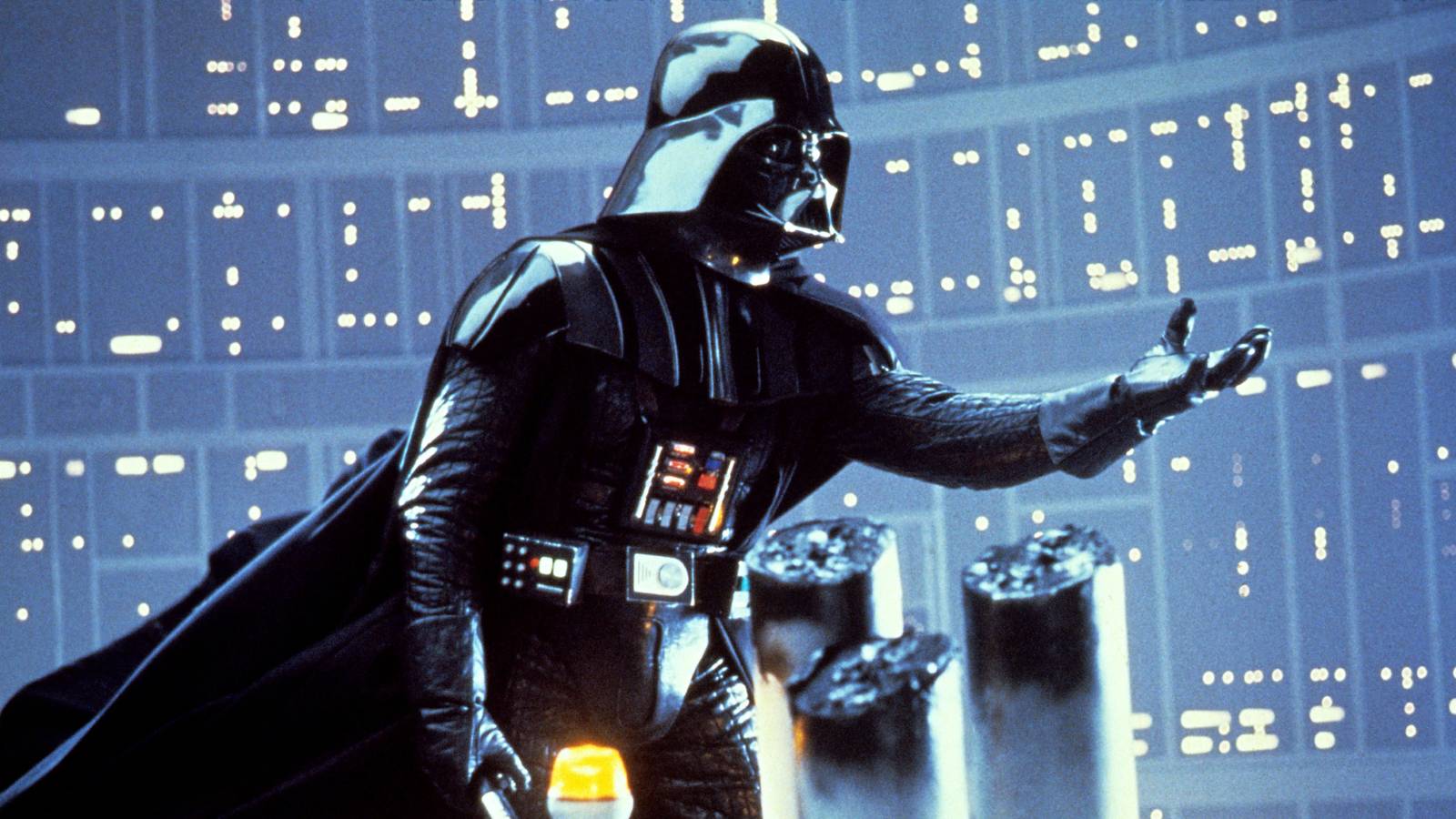
There are some movie facts so fascinating that many film fanatics find them as compelling as the movie itself. Movie trivia is a peculiar kind of currency. Knowing a film's plot, characters, and best quotes is one thing, but discovering what happened behind the camera can completely change how viewers watch it. Suddenly, a scene that seemed straightforward becomes a fascinating example of filmmaking ingenuity, an actor's unexpected contribution, or a production problem that accidentally improved the finished movie. Hollywood history is full of these stories, from ingenious practical effects that predate modern CGI to happy accidents that became some of cinema's most memorable moments. Many anecdotes reveal just how much work goes into creating a few seconds of screen time. Others expose the strange compromises, last-minute decisions, and improvisations that can make or break a production. Occasionally, the truth behind a famous moment is even stranger than the urban legend surrounding it. Naturally, these discoveries are practically impossible to keep to yourself. They're the facts that emerge during movie nights, derail perfectly innocent conversations, and make watching a favorite film with someone who hasn't heard the story particularly satisfying. Once audiences know them, it's difficult not to point them out every time the scene comes around. The Blood In Psycho Was Chocolate Syrup Alfred Hitchcock's Psycho (1960) contains one of cinema's most famous murders, but the blood running down the shower drain wasn't blood at all. Because Hitchcock shot the film in black and white, the production could use chocolate syrup to create a convincing effect without worrying about how it would look in color. According to the British Film Institute's interview with filmmaker Alexandre O. Philippe, the production used watered-down Hershey's syrup for the shower sequence. Chocolate syrup has an appropriately thick consistency, and its dark appearance photographs effectively in monochrome. The effect is particularly impressive considering what Psycho's shower scene actually shows: rapid editing, carefully composed shots, and Janet Leigh's performance do much of the work, leaving audiences to imagine more graphic violence than appears on-screen. Alan Rickman Was Surprised By The Drop In Die Hard Alan Rickman's performance as Hans Gruber helps make Die Hard (1988) one of the greatest action movies ever made, but the actor's genuine shock during the villain's final fall adds an extra layer to his memorable exit. Gruber falls from Nakatomi Plaza after John McClane (Bruce Willis) frees Holly Gennaro (Bonnie Bedelia) from his grasp, sending the terrorist plummeting to his death. According to the American Film Institute, the filmmakers wanted Rickman's expression of shock to look authentic. The Die Hard stunt team told him he would receive a countdown of three before being dropped from the platform. Instead, they released him on the count of one, catching him off guard. As a result, Rickman's shocked reaction was real, better conveying the calculating criminal’s realization that he’s lost. Viggo Mortensen Broke A Toe In Lord Of The Rings In The Lord of the Rings: The Two Towers (2002), Aragorn, Legolas, and Gimli discover what they believe are the remains of Merry and Pippin after the hobbits have been captured by Orcs. Aragorn, devastated by the apparent loss of his friends, kicks a discarded helmet in frustration and lets out a furious cry. That cry wasn't entirely acting. Viggo Mortensen broke a toe when he kicked the helmet, and his reaction of anguish was genuine. Director Peter Jackson discusses the injury in The Two Towers' DVD commentary. The accident heightened the scene notably. Aragorn's grief feels immediate and uncontrolled, and the sound of his anguish communicates the character's despair without requiring additional dialogue. This moment demonstrates how a real accident can become an unexpectedly powerful part of a performance. The Wilhelm Scream The Wilhelm Scream is one of Hollywood's most recognizable sound effects. It’s an exaggerated, unmistakable yell that appears when characters are shot, fall from heights, or meet similarly unfortunate ends. It originated in the Warner Bros. sound library and was first used in the 1951 Western Distant Drums, during a scene in which a man is attacked by an alligator. The sound acquired its familiar name after appearing in the 1953 Western The Charge at Feather River. Years later, Ben Burtt and Richard L. Anderson rediscovered it while researching archived sound effects, and Burtt used it in Star Wars (1977). Since then, it’s appeared in hundreds of movies, including the Star Wars sequels, the Marvel Cinematic Universe, Indiana Jones, The Lord of the Rings, Toy Story, and Pirates of the Caribbean, serving initially as a fun industry joke before becoming one of the most recognizable movie Easter eggs. Few horror moments are as instantly recognizable as Jack Torrance smashing through a bathroom door in Stanley Kubrick's The Shining (1980), thrusting his face through the splintered wood and announcing, "Here's Johnny!" The line is a reference to Ed McMahon's famous introduction of Johnny Carson on The Tonight Show, but it wasn't in Stephen King's original novel or movie’s script. Nicholson improvised it during filming. Kubrick, who had spent considerable time living in England, wasn't familiar with the American television reference and reportedly considered using a different take. Thankfully, the line survived editing and became one of the film's defining moments. The scene itself was shot with Jack Nicholson swinging a real axe, initially into prop doors. However, Nicholson, a former volunteer firefighter, demolished it too quickly, so he spent days chopping down real doors for the iconic shot. Real Squirrels Were Used For Charlie And The Chocolate Factory Tim Burton's Charlie and the Chocolate Factory (2005) features a memorable sequence in Willy Wonka's nut-sorting room where squirrels sort the good and bad nuts. Rather than relying entirely on computer-generated imagery, the production used real, trained squirrels to perform much of the work. According to the Los Angeles Times, Burton originally requested 100 squirrels, although the final Charlie and the Chocolate Factory sequence used 40 real animals, supplemented by animatronics, computer graphics, and duplicated images. A team of four trainers spent 19 weeks preparing the squirrels to sit on stools, handle nuts, and place them into metal bowls. The result is particularly effective because the animals behave with an impressive degree of natural precision. Their little paws, twitching noses, and focused movements give the scene a tactile quality that would be difficult to replicate convincingly with early-2000s CGI. Darth Vader Does Not Say "Luke, I Am Your Father" In Star Wars It's one of the most famous lines in movie history, yet the version most people quote isn't what Darth Vader actually says. In Star Wars: Episode V — The Empire Strikes Back (1980), Luke Skywalker tells Vader that he killed Luke's father. Vader responds, "No, I am your father." Dozens of Star Wars spoofs and references have subsequently changed the quote to “Luke, I am your father,” ingraining it firmly in the public conscious. The explanation for this is likely to put the line into context, making the Star Wars reference more explicit. The secret was carefully guarded during production, too. According to StarWars.com, director Irvin Kershner told Mark Hamill the truth shortly before filming the scene. David Prowse, who wore Vader's costume, was given different dialogue, while James Earl Jones recorded the genuine line later. Indiana Jones Shoots The Swordsman Because Harrison Ford Was Ill In Raiders of the Lost Ark (1981), Indiana Jones encounters a skilled swordsman in Cairo who performs an elaborate display of weaponry. Rather than engage in the expected duel, Indy simply draws his revolver and shoots him. It's one of the film's funniest moments, puncturing the traditional adventure-movie expectation that the hero must always rise to a physical challenge. The reason behind the scene is even better. Harrison Ford was suffering from dysentery during production of Raiders of the Lost Ark, as were several members of the crew. The original plan called for a four-day fight involving Indy's whip and the swordsman's scimitar. Ford later explained to CNN's Chris Wallace that he suggested shortening the sequence because he couldn't remain away from the dressing room for long. The scene perfectly reflected Indy’s character and produced one of the series' most celebrated scenes. Wesley Snipes Refused To Open His Eyes In Blade: Trinity One of the strangest stories associated with Blade: Trinity (2004) concerns an alternate ending in which Wesley Snipes's vampire hunter wakes up on an autopsy table. According to director David S. Goyer's DVD commentary, the production needed Blade to open his eyes, but Snipes did not do so on the day the scene was filmed. The visual-effects team subsequently used CGI to make the character's eyes appear open. The story has often been repeated as evidence of the famously troubled relationship between Snipes and Goyer during production. Other reported events from the troubled production of Blade: Trinity include Snipes going method as the vampire hunter and insisting on being called Blade throughout. Some have even said he came to blows with Goyer and would only film close-ups. However, Snipes has firmly denied these rumors. The Halloween Mask Is A Captain Kirk Mask Michael Myers's blank, pale mask is one of horror cinema's most recognizable designs, but its origins are surprisingly mundane. For John Carpenter's Halloween (1978), the production needed an inexpensive mask that could be altered to create the killer's unsettling appearance. The team purchased a Captain Kirk mask based on William Shatner's face, then modified it by removing the eyebrows and sideburns, enlarging the eye openings, and applying a pale finish (via StarTrek.com) The result was a face that looked almost human but lacked the expression and warmth that make people recognizable. Indeed, that blankness is central to Michael Myers's menace. It's a wonderfully economical piece of horror filmmaking. Rather than designing an elaborate monster from scratch, the Halloween filmmakers transformed a familiar television face into something deeply unsettling. Shatner's likeness became iconic for an entirely different reason. Release Date October 27, 1978 Runtime 91 minutes Director John Carpenter Writers Debra Hill, John Carpenter Producers Debra Hill, John Carpenter, Moustapha Akkad Sequel(s) Halloween II, Halloween III: Season of the Witch, Halloween 4: The Return of Michael Myers, Halloween 5: The Revenge of Michael Myers, Halloween: The Curse of Michael Myers, Halloween H20: 20 Years Later, Halloween: Resurrection, Halloween, Rob Zombie's Halloween II, Halloween, Halloween Kills, Halloween Ends
10 Pieces Of Trivia That Every True Movie Fan Knows & Always Loves To Point Out
Full Article
Original Source
Read the full article at Screenrant →KhanList aggregates and links to publicly available news content. We do not host full articles from third-party sources. Always verify important information with original sources.