
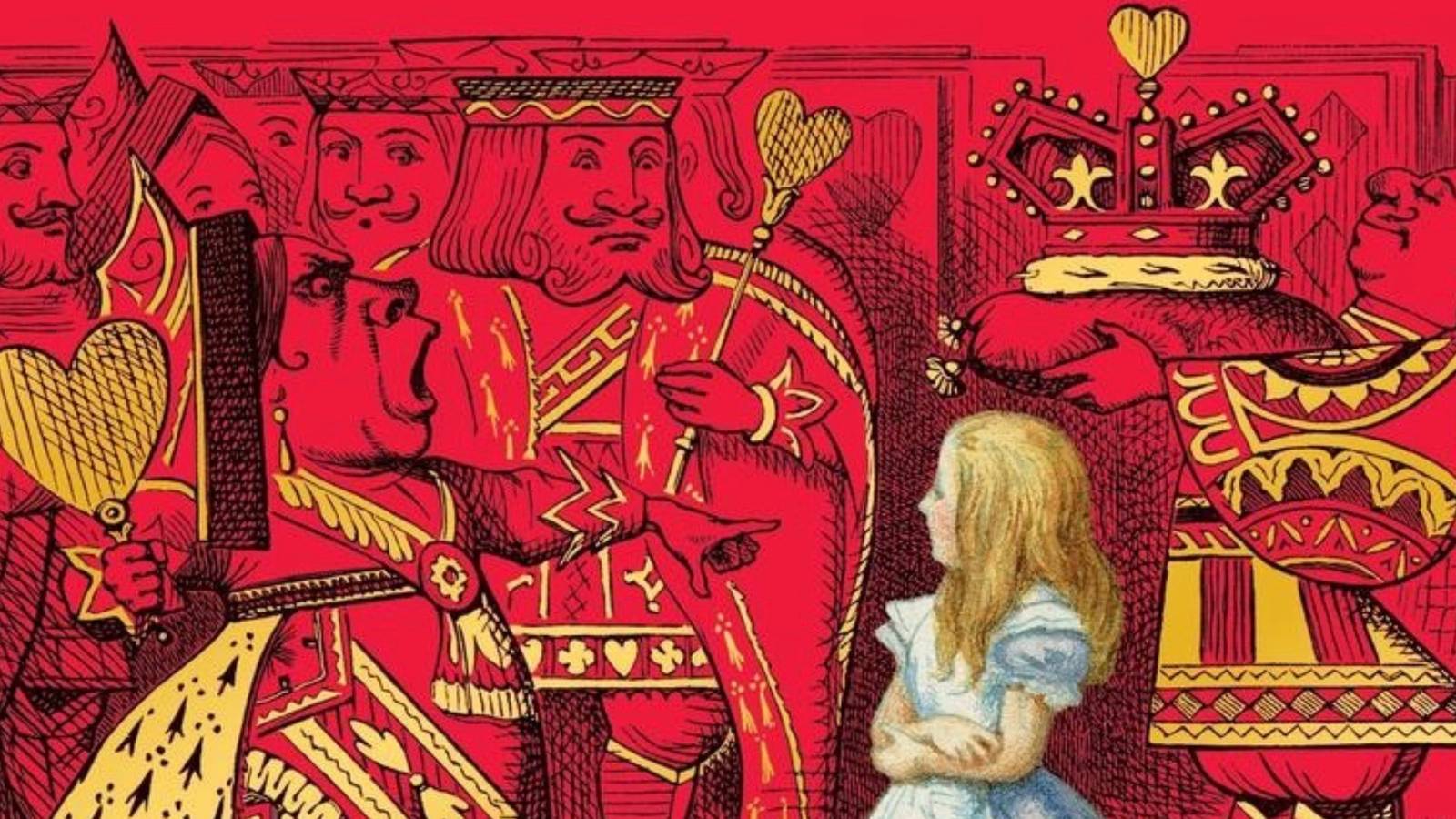
Published Oct 29, 2026, 11:49 AM EDT They are classics for a reason Macmillan Classic literature can, at times, be intimidating to jump into as a reader. The language was so different in novels back then, making it, at times, hard for the modern reader to fully understand. If you give them a chance, however, what you'll find is that classics are classics for a reason. Despite being written hundreds of years ago, they continue to resonate with readers today, bridging the gap between authors who are long gone and readers discovering them for the first time. It's a beautiful thing, really. For those of you who want to be well-read and know the classics, here is a good place to start. The following is a list of books written before 1900 that are still compulsively readable, even by today's short attention span standards. Classics span all genres, so surely you'll find a book on this list that suits your reading whims. Polygon Ah yes, the story often credited as a foundational text of science fiction, written when Mary Shelley was 18 and first published in 1818. When this book was published in its entirety in 1831/1832, it shocked readers from all walks of life. It's more than a monster story — it's a human one, about not being sure how to operate in a cruel world and hating the person who brought you into it. There's a reason why Frankenstein and his Creature have stuck around for so long, as it's a story that resonates, entrancing enough to keep you turning pages, even with the antiquated language. Polygon 1 The Picture of Dorian Gray by Oscar Wilde The story of a handsome but conceited young man who has a portrait done of him that will age in his place so he stays young. Can you say looksmaxxing? This story continues to remain popular over a century after it was first published in full in 1891, about the price one has to pay for aesthetics and beauty, a topic that continues to be popular even in the modern era. It's a novella, so it's relatively short, and honestly might even be a one-sitting book for some readers. It's just that good. Polygon 2 Emma by Jane Austen A sweet story about a young woman who just wants to do right by her friends and family, with hilariously disastrous results. This is another classic that spawned famous adaptations, such as the 1995 teen comedy Clueless. It's a novel that is effortlessly charming and fun to read, even if you aren't a Jane Austen superfan. It's a great place to start if you want to read Austen, or if you are interested in delving into the classics in general. Polygon 3 The King in Yellow by Robert Chambers A cursed play script drives whoever reads it insane — a simple premise, but an effective one. Robert Chambers' book is part novella, part short story collection, detailing the many unfortunate people who have fallen under The King in Yellow's spell. It's a horror novel that will effectively scare you even now in 2026, as it's just that good of a read. You'll fly through it, we promise, although don't blame us for the nightmares after you finish it. Polygon 4 The War of the Worlds by H.G. Wells A sci-fi classic about the incoming Martian invasion that inspired many, many adaptations, including Orson Welles' famous radio broadcast where he manages to convince many listeners that there were, in fact, aliens invading Earth. It's a story that will have you on the edge of your seat, and if you call yourself a sci-fi fan, it's one foundational text that you absolutely have to read. It's a fast narrative and a real treat to pore over, and a solid launchpad if you want to get into sci-fi. Polygon 5 Hamlet by William Shakespeare For the average person, Shakespeare can be notoriously difficult to read. However, Hamlet is just one that you have to give a go at some point, as it is arguably one of the greatest plays ever written. It has everything — ghosts, murder, battles for the throne — it's a wild ride. We definitely recommend giving this one a shot, and if you can't do it, the Simpsons episode sums it up pretty well. Kidding, of course — nothing beats The Bard, and Hamlet is universally understood as his best work. If you want to get into Shakespeare, this is the clear starting point to get you obsessed. 6 Faust by Johann Wolfgang von Goethe Goethe's Faust is one of the most important and influential treatments of the 'deal-with-the-devil' theme. Earlier works, such as Christopher Marlowe's Doctor Faustus, also explored the pact-with-the-devil theme, but Goethe’s version remains one of the most popular. Truthfully, it's a very funny and addicting read, especially when you look at it through the lens of the subsequent art that was created as a result of this play (Little Shop of Horrors, anyone?). Most translations of this text are fairly easy to read, and because it's written as a play, it's a quick one to fly through without getting caught up in the language. Polygon 7 Alice's Adventures in Wonderland by Lewis Carroll Most people have at least seen the Disney cartoon adaptation of Alice's story, but the original novel is so whimsical, so insane, that Disney couldn't possibly capture it as it is. Because it's a book intended for young people, it's a fairly straightforward read as far as text difficulty goes. If you are intimidated by classics, this would be our first pick to try. Alice's journey through wonderland is strange and marvelous, and for the reader, it makes for an addictive story. Polygon 8 A Doll's House by Henrik Ibsen This is another play on this list, one you probably read in high school. Ibsen's play (premiered 1879) was hugely controversial because of its depiction of Nora leaving her family. For some productions in other countries, altered 'happy' endings were used to placate audiences or censors, though the original ending (Nora's departure) is Ibsen's authentic and best-known conclusion. 1880s censorship, right? Plays are always a good place to start if you want to get into classic literature — they are written as dialogue and stage directions, making them fairly easy to follow. Plus, if you ever get to see a production live, you'll be well-versed in its content, and enjoy the show even more. Polygon 9 The Yellow Wallpaper by Charlotte Perkins Gilman Lastly, another proto-feminist text about gaslighting and the dismissal of women's experiences. In this short story, a woman is convinced she sees someone living in her wallpaper. Her husband dismisses her as "crazy", because of course he does, but could she possibly be telling the truth? Because this is a short story, you will probably find it in a collection of Gilman's other work, including the underrated classic Herland, also a feminist text that was controversial upon its release. If you want your classics education to be well-rounded, you simply can't forget Gilman and her prolific writing.
10 perfect books from before 1900 that are still easy to read today
Full Article
Original Source
Read the full article at Polygon →KhanList aggregates and links to publicly available news content. We do not host full articles from third-party sources. Always verify important information with original sources.