
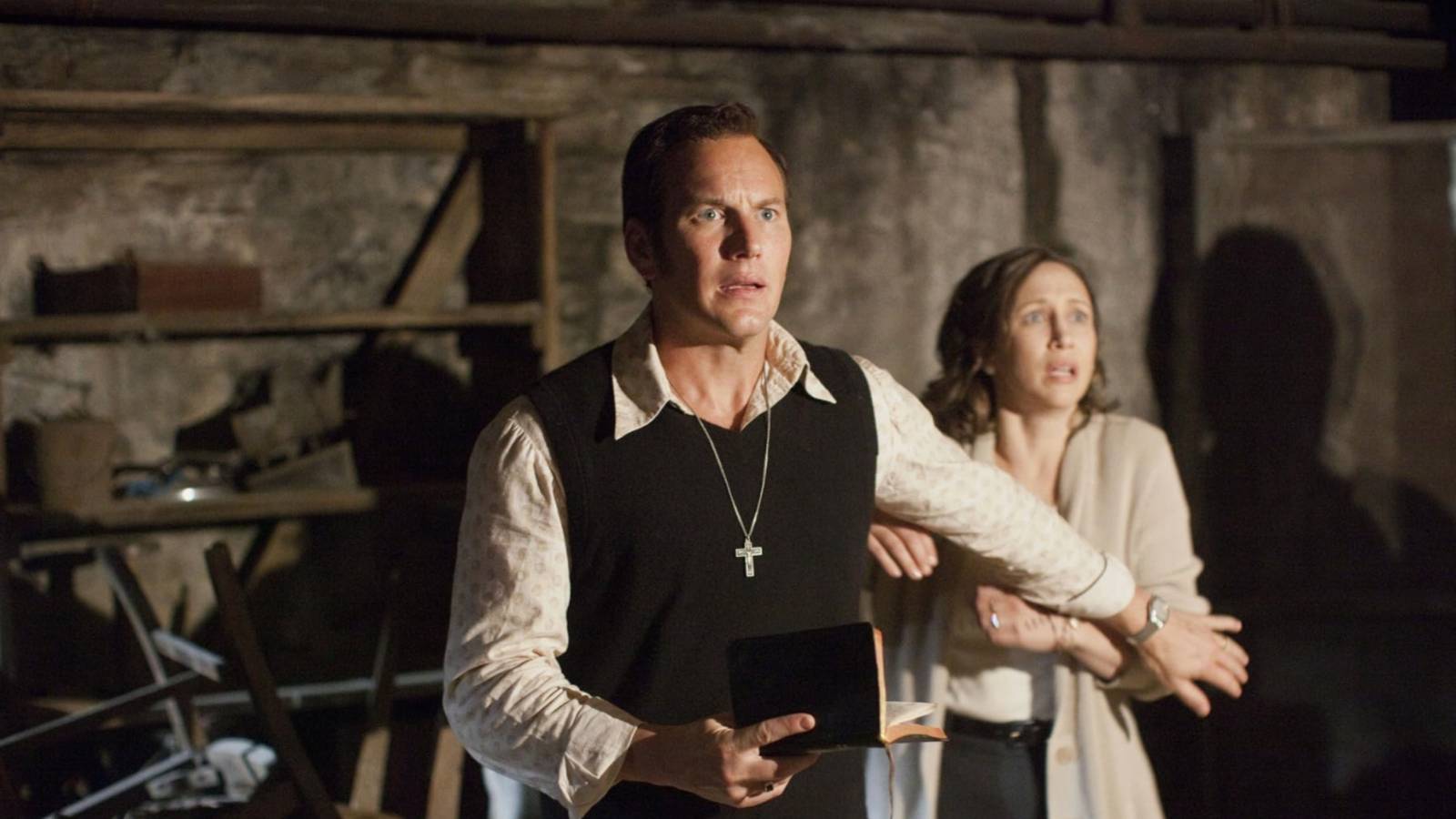
Published Nov 29, 2026, 4:15 PM EST Bee Delores is a Movies Writer for ScreenRant. After earning a Bachelor of Fine Arts in Acting from West Virginia University, they went on to grad school for Entertainment Business at Full Sail University. From their extensive studies in branding, artist management, and business, they dove into the deep end of journalism and has landed countless bylines all over the internet. A Rotten Tomatoes-approved critic, they also write for their own website, B-Sides & Badlands. Horror movies hold a very special place in cinema history. From essentials such as Rosemary's Baby to Scream, one of the best satirical horror movies ever, countless classics defy genre with a keen attention to character, dialogue, and visuals. It's only through the passage of time that we can collectively assess the landscape and how these films influence future generations. Box office certainly comes into the conversation, and understandably so. But what's most significant is the style and tone that transforms the genre, such as A Nightmare on Elm Street and Wes Craven's commitment to horror. Storytelling itself never changes, and a film's importance can be determined through specific parameters. A film must answer these very crucial questions: Does the film do something never done before? Does it rework common tropes and conventions, or comment on the genre's obsession with the familiar? How do the filmmakers honor tradition while offering up a singular voice? The answers will tell you what's a classic and what isn't. Jennifer's Body It's only been within the last five or six years that Diablo Cody's Jennifer's Body has gained recognition for its cult classic status. Megan Fox and Amanda Seyfried star as two best friends, and their story is one of cruelty, sadness, and tragedy. When Jennifer (Fox) is lured into a van by the lead singer (Adam Brody) of Low Shoulder, she mutates into a succubus whose strength lies in eating boys. Her transformation speaks to both the treatment of girls and young women and male dominance. Jennifer's Body was mercilessly raked over the coals upon its release. But its recent reassessment celebrates its campiness, crude humor, and delicious kill scenes. Genre favorites like Kyle Gallner round out the cast, making it a who's who of modern horror. Saw James Wan's commercially released directorial debut came with 2004's Saw, written by another genre titan, Leigh Whannell. The gritty crime/horror tells the tale of a serial killer known only as Jigsaw (Tobin Bell) and his sadistic traps meant to "teach" people lessons about life. The film arrived in the early days of what's been dubbed the "torture porn" era, based on a term coined by New York Magazine critic David Edelstein in 2006, which also includes Hostel, Eden Lake, and Wolf Creek. Based on a short film, Saw intricately laced a procedural with horror elements. It feels like a stage play in many ways (i.e., the primary focus on a very small cast in one room) and demonstrates the strength of a good, dialogue-driven script. While there are outside scenes and sequences presented in flashbacks, the film is largely centered on a photographer and doctor trapped in a dirty escape room. Those details bring a sense of real-life horror that makes the more graphic moments hit even harder. The Conjuring The Conjuring arrived seven years after Paranormal Activity, a gripping found footage movie that shifted horror away from "torture porn" into its paranormal era. The Conjuring built upon the trend with a "based on a true story" set-up, rooted in two real-life paranormal investigators, Ed (Patrick Wilson) and Lorraine Warren (Vera Farmiga). When they investigate a farm house, they uncover a horrifying story about a witch, ritual sacrifice, and a curse. Director James Wan brings a visceral intensity to the story. From tracking camera work to tortured specters, it works overtime to relay what fear tastes like to the audience. The Conjuring might be more polished than most paranormal films, but its well-placed jump scares, simmering mood, and suffocating dread pack a punch. It's no wonder the film launched an entire universe and several sequels. It's that good. The Ring Gore Verbinski's The Ring remains one of the best remakes of all time. It adapts the 1998 Japanese film, Ring, and molds it into an unsettling story about a cursed VHS tape that kills you seven days after you watch it. Naomi Watts plays investigative journalist Rachel, whose niece dies under mysterious circumstances, and her journey to find the truth about the VHS tape. The VHS tape features troubling images, and Rachel follows the clues to discover what really happened. Decades later, The Ring still excels at driving home the pure terror while also commenting on society's fascination with the macabre (i.e., the first viral VHS tape) and how curiosity really did kill the cat. There's also something to be said about the movie's moody look and aesthetic that feels both cold and haunting. The Ring arrived at the very beginning of the remake craze of the 2000s, no doubt thanks to the success of the 2002 film. The Babadook For monsters-as-metaphor stories, The Babadook is often cited as among the markers for horror's ever-changing face in the 2010s. The 2014 film, directed by Jennifer Kent, follows a grieving mother and her unruly son as they encounter a dark entity that has entered their world through a mysterious storybook. The creature with pointy, claw-like fingers and a top hat manifests from their grief over the loss of the father. To beat the Babadook, they must trap their own misery. The Babadook comes one year following The Conjuring, a foundational modern supernatural film, and turns the paranormal into something bigger and perhaps even more harrowing. Grief is one of the human experiences no one can escape. To get through life, one has to grieve. Jennifer Kent's film siphons the power of the human mind for a terrifying story that is far more than meets the eye. The Witch A modern master of bone-cracking horror, Robert Eggers began his genre-defying quest with a piece of folk horror. The Witch, starring Anya Taylor-Joy in her first credited film role, examines archaic traditions, understanding of gender, and how witches are really born. As told in Eggers' tale, witches are bred through being ostracized by society in such a severe way that people, particularly women, seek for hope and strength elsewhere. Taylor-Joy's Thomasin represents contained power that eventually breaks free through pure will to survive. The Witch also proved instrumental in guiding Ari Aster's hand for Hereditary and countless films that rode the same wave. Anya Taylor-Joy is a quiet force of nature, with a somber performance rich with honest human emotion, leading into a satisfying finale. Train to Busan When it was released in 2016, zombies were undergoing a transitory period. The Walking Dead, then in Season 7, began to hemorrhage viewers. It seemed zombies had run its course in the mainstream. But Yeon Sang-ho's Train to Busan showed that the subgenre still had plenty to say about humanity and did so with great characters, inventive flesh eaters, and a powerful emotional core. A father and daughter get trapped aboard a train during a zombie apocalypse. It's pure chaos, as zombies infect the train and the passengers fight to beat the virus. Train to Busan is far more than a zombie flick; it's a sobering meditation about gratitude and family (chosen and otherwise). It injected modern horror with a long-overdue jolt, leading to a flood of exciting new zombie TV shows and movies, including Black Summer and All of Us Are Dead. It Follows If there ever were a spiritual successor to Halloween, it would be It Follows. Writer/director David Robert Mitchell places his focus on building dread and atmosphere rather than jump scares to instill real fear. In one of her earliest roles, Maika Monroe plays Jay as she's stalked by a form-shifting entity after a sexual encounter. While sex is an essential part of the story (i.e., the entity is transmitted through sex), It Follows is about much bigger themes. "It’s also about life and death, and sex and love are an integral part of that," Mitchell told Filmmaker Magazine in 2015. Rather, it's a metaphor for the pressures to live versus survive, how death is inevitable, and how sex fits into all of that. The 2014 film ushered in an era of metaphor-based horror where the monster isn't exactly a monster at all but representative of something more internal and relentless. It's not Michael Myers chasing you with a knife; it's born inside of you, and it never lets go until it's finished sucking up your life. It Follows marked a considerable shift in horror, opening up countless storytelling possibilities. Hereditary Ari Aster masterfully examines inherited mental illness, grief, and witchcraft with his directorial debut, Hereditary. Starring Toni Collette, the film ventures into the watery depths of a family stricken by tragedy. They can't seem to pick up the pieces after the death of Annie's (Collette) mother, but they have something much darker to contend with. The 2018 film brought an arthouse sense to the mainstream. It's perfectly polished but not without intricate style and punchy emotional performances. Hereditary also made character-driven chamber pieces cool again. It's a pulverizing story about one family's tragic, generational trauma that never stays dead. It certainly broke down the door for countless similarly stylized and themed stories, including Saint Maud, Bring Her Back, and Talk to Me. From the iconic dinner scene to the power pole incident, Hereditary operates on every single level to achieve a kind of fear that soaks into the skin. Get Out Jorden Peele completely changed the game with 2017's Get Out. Peele specifically tackles the Black experience of navigating the world, from microaggressions to more blatant racism. It sparked a cultural awareness of race in the United States and conversation about horror's importance in larger societal issues. When photographer Chris (Daniel Kaluuya) goes home to meet his girlfriend Rose's (Allison Williams) parents, nothing could prepare him for what's to come. Get Out pushed the needle forward for socially and politically relevant horror movies that caused a scene, leading to Nia DaCosta's Candyman and many others. It took many genre tropes (e.g., lack of Black people in horror) and turned it into something far more eerily realistic and disturbing. There's before Get Out, and there's after Get Out. Horror never been the same since.
10 Horror Movies From The 21st Century That Are Already Classics
Full Article
Original Source
Read the full article at Screenrant →KhanList aggregates and links to publicly available news content. We do not host full articles from third-party sources. Always verify important information with original sources.