
Published Nov 16, 2026, 11:01 AM EST Ben Sherlock is a Tomatometer-approved film and TV critic who runs the massively underrated YouTube channel I Got Touched at the Cinema. Before working at Screen Rant, Ben wrote for Game Rant, Taste of Cinema, Comic Book Resources, and BabbleTop. He's also an indie filmmaker, a standup comedian, and an alumnus of the School of Rock. From The Sopranos to The Wire to Six Feet Under, some HBO originals from two decades ago are still better than almost every single TV show getting made today. Not every HBO show is aging well; the crushing disappointment of Game of Thrones’ ending has soured the discourse around the whole thing, and the brazen chauvinism of Entourage doesn’t hold up so well in a post-#MeToo era. But the HBO shows that do hold up really hold up; they’re timeless masterpieces. The cringe comedy of Curb Your Enthusiasm is still just as cringeworthy; the violence in Oz is still just as shocking. Silicon Valley Mike Judge and Alec Berg had their fingers on the pulse when they created Silicon Valley. During the unprecedented rise of tech giants like Facebook and Twitter and Google, Silicon Valley arrived as the perfect satire. As Richard Hendricks’ game-changing technology was targeted by copycats and frivolous lawsuits and predatory investors, the series astutely highlighted the absurdity of the tech industry. Silicon Valley was a perfect anti-tech comedy for its time, but its commentary still holds up today. The show’s critique of A.I. and data centers and “tethics” was ahead of its time, and the character of Gavin Belson remains a spot-on caricature of vain, spiteful, out-of-touch, obscenely wealthy tech bros. Oz Before The Wire, before Six Feet Under, even before The Sopranos, HBO’s first ever original drama series was Oz. Oz follows the staff and inmates of a fictional level 4 maximum-security state prison called Oswald State Correctional Facility, nicknamed “Oz,” and it’s still just as shocking today. Oz set a very high bar for the graphic violence and sexual content on HBO’s airwaves, but it also set a high bar for nuanced storytelling and emotionally engaging character development. Oz was hard to watch, but you couldn’t look away. Veep After lampooning British politics in The Thick of It, Armando Iannucci turned his satirical lens on the U.S. government in its American counterpart, Veep. Veep was a few years ahead of its time in exposing the utter absurdity of Washington politics; it feels more and more relevant as we get deeper into the Trump era. Most politicians are only out to consolidate power and enrich themselves; very few are actually trying to make a difference in the lives of regular people. Selina Meyer is the perfect comedic caricature of a self-serving politician — a cog in the political machine — who couldn’t care less about making the country a better place. Band Of Brothers Before Band of Brothers, big action set-pieces and blockbuster spectacle were confined to the silver screen. But Band of Brothers used the formidable might of executive producers Tom Hanks and Steven Spielberg to secure a massive budget to bring big-screen spectacle to the small screen. Band of Brothers is just as visceral and cinematic and enormous in scale as Saving Private Ryan, and the battle sequences are just as impressive today, but it has a lot longer to get to know its characters. Over the course of 10 episodes, we see the human beings behind the guns and the uniforms. The Larry Sanders Show When all his colleagues were signing deals to host their own talk shows, Garry Shandling made a meta sitcom about a version of himself who would take that gig. Larry Sanders is the mirror-universe avatar of Shandling who got consumed by the fame monster and became an anxious, self-absorbed curmudgeon. The Larry Sanders Show inspired every self-aware sitcom about the TV business from Curb Your Enthusiasm to 30 Rock, and it pioneered the workplace walk-and-talk tracking shot long before Aaron Sorkin took the credit. Larry Sanders is still funnier than 90% of the comedies on TV. Deadwood Although it never gets its due recognition, Deadwood deserves to be ranked alongside The Sopranos and The Wire as one of the totemic HBO dramas. It’s a painstaking historical record of the titular territory’s evolution from a tiny, lawless camp into a full-blown town with law and order and democratic elections. But, as informative as it is, it’s not just a dry history lesson. David Milch tells the story of Deadwood in the most wildly entertaining way possible, with an intense cat-and-mouse feud between Timothy Olyphant’s reluctant sheriff and Ian McShane’s sadistic pimp. Six Feet Under A bad ending can ruin a TV show’s reputation — that’s the reason Game of Thrones isn’t on this list — but a great ending can solidify its place in the annals of television history, and make it a timeless classic. That’s the case with Six Feet Under, which has arguably the single greatest series finale ever produced. The series, as a whole, is an unimpeachable masterpiece. Creator Alan Ball has a keen sense of the foibles of human nature, and this dysfunctional family saga is a subtle yet riveting exploration of all the things that make us human. For the most part, Six Feet Under is mired in death and the terrifying inevitability of mortality. The Fishers run their late patriarch’s funeral home, and each episode begins with the untimely death of their latest casket-filler. But it’s not just about death, and the tragic aftermath; ultimately, it’s really a celebration of everything that makes life worth living while we’re here. Curb Your Enthusiasm After perfecting the multi-cam sitcom with Seinfeld, Larry David reinvented the TV comedy as a whole with Curb Your Enthusiasm. Curb threw out all the rigid conventions of the sitcom: it replaced meticulously scripted dialogue with on-the-fly improvisation; it replaced the traditional three-camera setup with one handheld camera spontaneously following the action around the room; and it replaced laugh tracks and live studio audiences with the second-hand embarrassment of awkward silences. Curb was one of the first shows to have celebrity guest stars playing fictionalized, self-effacing versions of themselves. But, more broadly, it’s the definitive social critique, highlighting all the absurd unwritten rules of society and flouting them for laughs. The Sopranos The Sopranos singlehandedly kicked off the Golden Age of Television. For decades, the conventional wisdom was that the protagonist of a TV show had to be likable for audiences to keep tuning in. David Chase changed the game when he realized that the lead didn’t have to be likable; they just had to be interesting. He had Tony Soprano garrotte a man to death in cold blood in season 1, episode 5, and audiences kept tuning in for another six seasons. James Gandolfini gave one of the most lived-in performances ever captured on film. He did the impossible, playing Tony as both believably intimidating when he’s threatening a gangland rival, and believably vulnerable when he’s having a panic attack or comforting his kids or opening up to his therapist. Gandolfini humanized a murderous mob boss — it was like a magic trick. The Wire There’s only been one other HBO show — heck, there’s only been one other TV show — that’s ever surpassed The Sopranos, and that’s The Wire. David Simon turned his years of experience as a police reporter in Baltimore into the most fiercely realistic cop show ever made. The Wire is so accurate to real-life police procedures, it practically feels like a fly-on-the-wall documentary. Simon threw the case-of-the-week format of classic cop shows out the window, and instead had his Major Crimes unit spend weeks and weeks doing wiretap operations on the Barksdale Organization before finally making their move.
10 HBO Shows That Have Aged Like Fine Wine
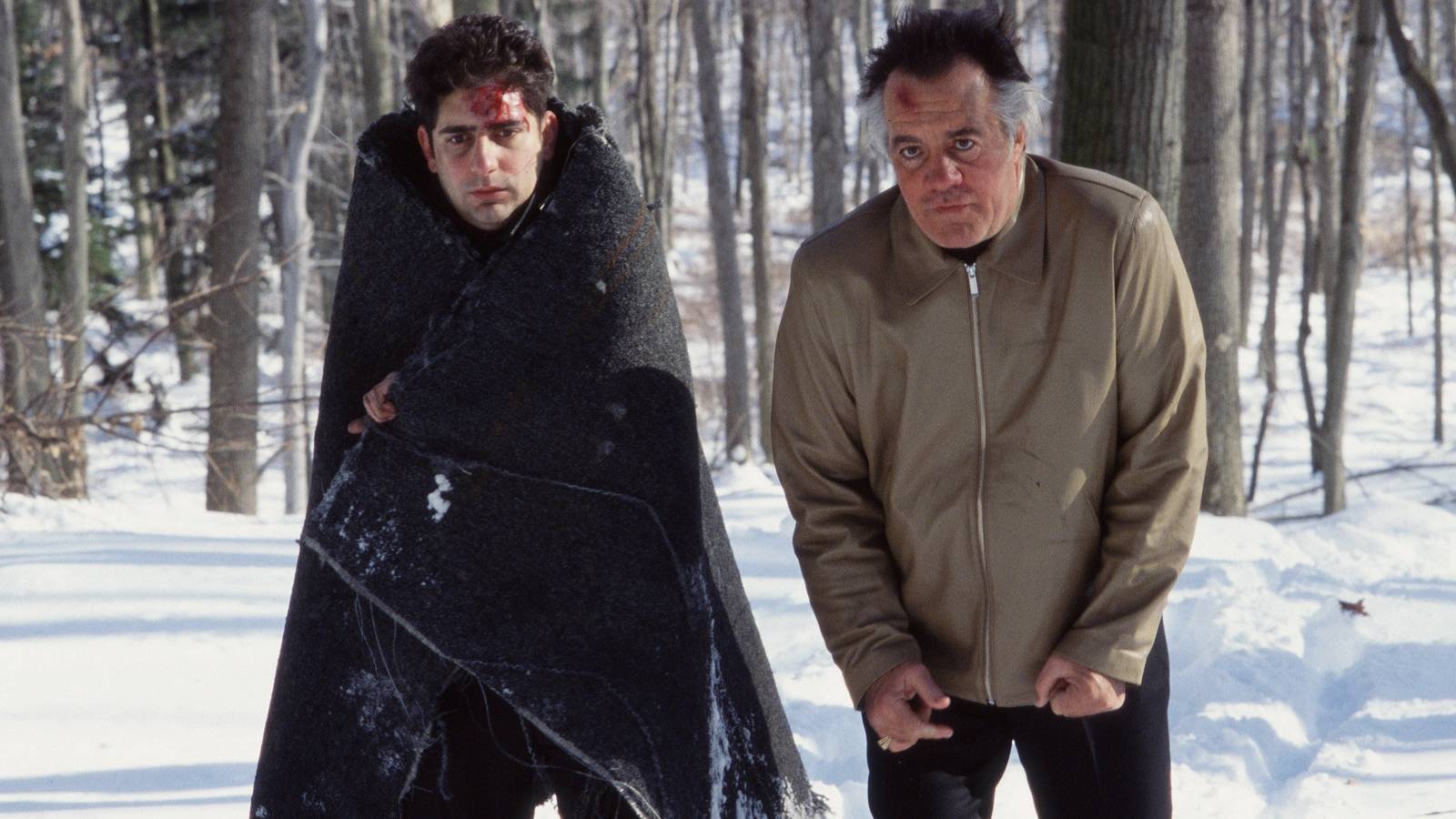
Full Article
Original Source
Read the full article at Screenrant →KhanList aggregates and links to publicly available news content. We do not host full articles from third-party sources. Always verify important information with original sources.