
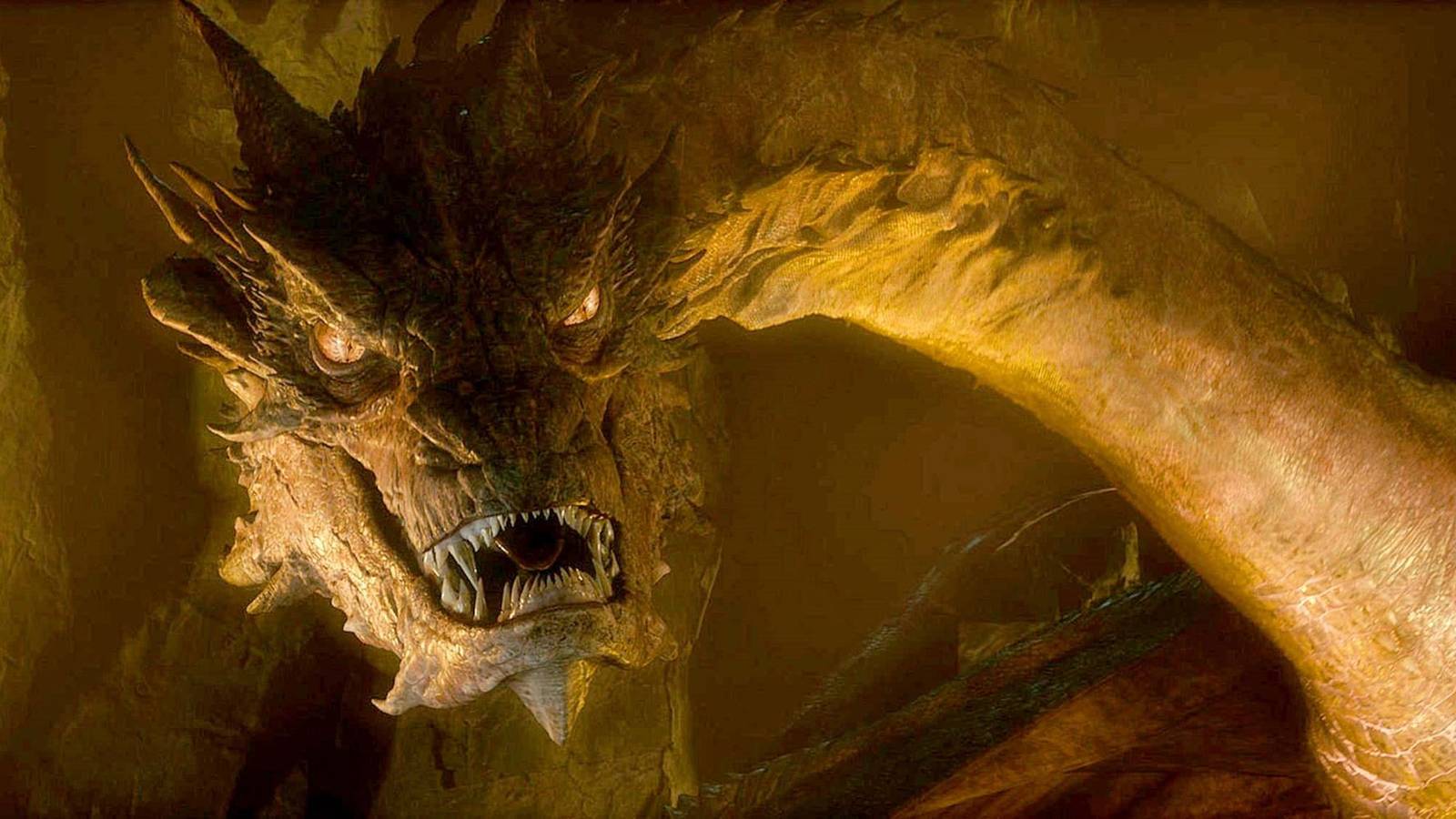
Image via Warner Bros. Pictures Published Jul 27, 2026, 3:41 PM EDT Born with Autism (formerly classified as Asperger syndrome), Tyler B. Searle has been obsessed with storytelling since he was old enough to speak. He gravitated towards fairy tales, mythology, the fantasy genre, and animated movies and shows aimed at family audiences. When not writing, Tyler enjoys watching more cartoons and reading fantasy books in his home in Ontario, Canada. Sign in to your Collider account J. R. R. Tolkien's The Lord of the Rings is by far the most influential fantasy work of the modern era. It is a snippet of a much larger Legendarium that focuses on Frodo Baggins, a hobbit who comes into possession of the One Ring, a powerful artifact created by the Dark Lord Sauron, with which he can dominate the world. Frodo sets off with a group of companions to try and destroy the ring, but the journey is beset by many dangers, including the ring itself, which has a dark will of its own. Tolkien drew inspiration from classic mythology and the story of Beowulf, so, naturally, his Middle-earth is populated by monsters. He made sure to cover a wide swath of creatures, from twisted versions of real animals to horrors of divine origin. Note that this list will not focus on creatures that exclusively appear in The Silmarillion, such as Ungoliant or Carcharoth. 10 Trolls Image via New Line Cinemas When Morgoth first saw the Ents and their duties as shepherds of the forests, he got the idea of making a twisted mockery of them out of stone. Thus, the first trolls came to be, hulking, brutish creatures of limited intelligence but tremendous strength, which would transform back into stone if touched by sunlight. After Morgoth's defeat, Sauron would regularly include trolls in his army, and even bred a smarter, more resilient kind called Olog-hai who didn't turn to stone in the sun and could even speak the Black Speech. Trolls are simple but effective monsters that always increase the stakes of whatever scene they're in. This extends as far back to their humorous appearance in The Hobbit, when Bilbo tried his luck as a burglar against the trio of Tom, Bert, and William Huggins. Regardless of their silly or serious portrayals, they are a great example of the classic mythological stories that inspired Tolkien when he wrote his Legendarium. 9 Fell Beast Image via New Line Cinema Sauron initially sent his 9 Nazgûl to hunt for the One Ring on black horses, but they were drowned by the powers of Elrond and Gandalf when they tried to cross the river Bruinen. Upon regrouping in Mordor, the Nazgûl were given new mounts called Fell Beasts. These winged horrors fly with unnatural speed and emit the foul stench of death, which pairs perfectly with their riders' ability to spread fear and dread among even the bravest of warriors. While most people are familiar with the more draconic design featured in Sir Peter Jackson's film adaptations, the Fell Beasts of the book are described as being more bird-like, similar to a pterosaur and a vulture without feathers. This design is intentional, as it hints at the Fell Beasts being some vestige of evil from a bygone age kept alive by Sauron, which parallels the Dark Lord himself, who began as a servant to the far greater evil, Morgoth. Either way, the Fell Beasts are terrifying creatures, able to toss men and horses with ease, and allow the Nazgûl to spread fear across entire battlefields. 8 Mûmakil Image via New Line Cinema Known to the Hobbits as Oliphants, Mûmakil are gigantic, elephant-like beasts from the southern lands of the Harad. Somehow, the Haradrim manage to coax these titanic beasts to allow them to build howdahs on their backs, turning the Mûmakil into war beasts. The Haradrim brought many Mûmakil to Minas Tirith during the Third War, where they proved to be powerful foes for the Riders of Rohan. Mûmakil are an example of Tolkien drawing from real-world history to enhance his fantastic one. In this case, it's the war elephants used by Carthage. Their inclusion both goes a long way in showing the cultural differences between the men of Harad and the cultures of Middle-earth we have already seen, but the size and power of the Mûmakil show the capabilities of nature, as they were not influenced by Morgoth or Sauron at all. 7 Barrow-wights Image via Ted Nasmith 'Under the Spell of the Barrow-Wight' © After the fall of Gondor's northern sister-kingdom of Arnor, the Witch-king of Angmar used dark sorcery to place a curse upon the Barrow-downs that summoned Barrow-wights to the location. These malicious spirits haunted the barrows of ancient warriors and tried to lure travelers to join them in the grave. This fate almost befell the hobbits Frodo Baggins, Samwise Gamgee, Meriadoc Brandybuck, and Peregrin Took, but Frodo was able to fight off the wights long enough for Tom Bombadil to rescue them. The Barrow-wights are an example of Tolkien using his monsters to hint at a larger story that is outside the scope of the protagonists, which adds to the mythology and history of Middle-earth. It's also a chance for him to dip into horror, especially when Frodo awakens to find his friends dressed in burial garb with a sword placed over their necks for ritual execution. Thus, the Barrow-wights are a representation of the dark, violent past of Middle-earth, how far-reaching the forces of evil are, and how suddenly they can awaken to threaten the present. Collider Exclusive · Middle-earth Quiz Which Lord of the RingsCharacter Are You? One Quiz · Ten Questions · Your Fate Revealed The road goes ever on. From the green hills of the Shire to the fires of Mount Doom, every soul in Middle-earth carries a destiny. Ten questions stand between you and the truth of who you are. Answer honestly — the One Ring has a way of revealing what we most want to hide. 💍Frodo 🌿Samwise 👑Aragorn 🔥Gandalf 🏹Legolas ⚒️Gimli 👁️Sauron 🪨Gollum BEGIN YOUR QUEST → 01 You are handed a responsibility that could destroy you. What do you do? The weight of the world falls on unlikely shoulders. AAccept it. Someone has to, and running changes nothing. BStay by the side of whoever carries it. They shouldn't go alone. CStep forward and lead. This is exactly what I was made for. DIt's mine now. I won't let anyone else have it. NEXT QUESTION → 02 Your closest companion is heading into terrible danger. You: True loyalty is revealed not in comfort, but in crisis. AFollow them without hesitation. I'd rather die beside them than live without them. BRally others and forge a plan to help — strength in numbers. COffer wisdom and guidance. My counsel may save them where swords cannot. DLet them go. Only the strong survive, and sentiment is a weakness. NEXT QUESTION → 03 Enormous power is within your reach. Your instinct is: Power corrupts — but only those who reach for it. ADestroy it. Nothing good comes from power this absolute. BUse it to protect those I love — just this once. CWield it wisely. I have the will and the knowledge to do good with it. DSeize it. I have waited long enough. It belongs to me. NEXT QUESTION → 04 What does "home" mean to you? Where we long to return reveals who we truly are. AA simple, peaceful place — green hills, good food, no adventure required. BWherever the people I love are. Home is a feeling, not a place. CA kingdom I must earn before I can truly claim it as mine. DI lost it long ago. That loss is what drives everything I do. NEXT QUESTION → 05 When a battle is upon you, your approach is: War reveals what we are made of — whether we like it or not. ASurvive by any means. I'm not a fighter — but I'll do what I must. BFight for the person beside me, not for glory or honour. CLead the charge. Nothing inspires an army like a king at the front. DStrike from range, fast and precise — never let them get close. NEXT QUESTION → 06 Someone comes to you for advice in their darkest hour. You: Wisdom is not knowing all the answers — it's knowing which questions to ask. AListen, then offer honest encouragement. Sometimes people just need belief. BGive them practical help — words are fine, but action is better. CSpeak carefully. I have seen much, and I know what counsel can cost. DTell them what they want to hear. Trust is a tool like any other. NEXT QUESTION → 07 How do you see yourself, honestly? Self-knowledge is the most dangerous kind. ASmall and ordinary — but perhaps that's exactly why I was chosen. BDefined entirely by who I serve and love. I am nothing without them. CForged by hardship into something the world has not yet fully seen. DDiminished from what I once was — and consumed by the need to reclaim it. NEXT QUESTION → 08 Which of these best describes your relationship with the natural world? Middle-earth speaks to those who know how to listen. AI find peace in it — forests, rivers, open skies. Nature restores me. BI prefer the earth underfoot — stone, mines, solid and real things. CI have watched the world change for longer than most can comprehend. DNature offers hiding places, cold water, raw fish. That's enough for me. NEXT QUESTION → 09 You encounter a wretched, pitiable creature who has done terrible things. You: How we treat the fallen reveals the height of our character. AShow mercy. Even the most broken souls deserve a chance at redemption. BPity them — but never trust them. They made their choices. CSee them as a tool. Their knowledge or skills may still serve a purpose. DDestroy them before they can cause more harm. Mercy is a luxury we cannot afford. NEXT QUESTION → 10 When the quest is over and the songs are sung, what do you hope they say about you? In the end, we are all just stories. AThat an ordinary person did an extraordinary thing — and came home. BThat I never abandoned the person who needed me most. CThat I was worthy of the crown — and everything it demanded. DNothing. I don't need songs. I needed it, and now it's gone. REVEAL MY FATE → The Fellowship Has Spoken Your Place in Middle-earthThe scores below reveal your true character. Your highest number is your match. Even a tie tells a story — the Fellowship was never made of simple people. 💍 Frodo 🌿 Samwise 👑 Aragorn 🔥 Gandalf 🏹 Legolas ⚒️ Gimli 👁️ Sauron 🪨 Gollum You carry something heavy — and you carry it alone, even when you don't have to. You were not born for greatness, and that is precisely why greatness chose you. Your courage is not the roaring, sword-swinging kind; it is quiet, stubborn, and terrifying in its refusal to quit. The Ring weighs on you more than anyone can see, and still you walk toward the fire. That is not weakness. That is the rarest kind of strength there is. You are, without question, the best of them. Not the most powerful, not the most celebrated — but the most essential. Your loyalty is not a trait; it is a force of nature. You would carry the person you love up the slopes of Mount Doom if it came to that, and we both know you'd do it without being asked. The world needs more people like you, and the world is lucky it has even one. You were born to lead, and you have spent years running from it. The crown is yours by right, but you know better than anyone that right means nothing without the will and the worthiness to back it up. You are tempered by loss, shaped by long roads, and defined by a code of honour you hold to even when no one is watching. When you finally step forward, the world shifts. Because it was always waiting for you. You have seen more than you let on, and you say less than you know — which is exactly as it should be. You are a catalyst: you do not fight the battles yourself, you ignite the people who can. Your wisdom comes not from books but from an age of watching what happens when it is ignored. You arrive precisely when you mean to, and your presence alone changes what is possible. A wizard is never late. Graceful, perceptive, and almost preternaturally calm under pressure — you see things others miss and act before others react. You do not need to make a scene to be remarkable; your presence speaks for itself. You are loyal to those you choose to stand beside, and that choice is not made lightly. You have lived long enough to know that the most beautiful things in this world are also the most fragile, and that is why you fight to protect them. You are loud, proud, and absolutely formidable — and beneath all of that is one of the most fiercely loyal hearts in Middle-earth. You don't do anything by half measures. Your friendships are forged like iron, your grudges run as deep as mines, and your courage in battle is the kind that makes legends. You came into this fellowship suspicious of everyone and ended it willing to die for an elf. That is not a small thing. That is everything. You think in centuries and act in absolutes. Order, dominion, control — not because you are cruel by nature, but because you have decided that the world left to itself always falls apart, and you are the only one with the vision and the will to hold it together. You were not always this. Something was lost, or taken, or betrayed, and the version of you that stands now is the answer to that wound. The tragedy is that you're not entirely wrong — just entirely too far gone to course-correct. You are a study in contradiction — pitiable and dangerous, cunning and broken, capable of both cruelty and something that once resembled love. You are defined by loss: of innocence, of self, of the one thing that gave your existence meaning. Two voices war inside you constantly, and the tragedy is that the better one sometimes wins, just not often enough, and never at the right moment. You are a warning, yes — but also a mirror. We are all a little Gollum, given the right ring and enough time. ↻ RETAKE THE QUIZ 6 The Watcher in the Water Dark, unspeakable horrors inhabit the deepest parts of Middle-earth, but on occasion, they can make their way to the surface. One of these horrors was referred to only as The Watcher in the Water by the dwarf Ori, who resided in a stagnant pool outside the doors to the Mines of Moria. Staying hidden beneath the surface, the Watcher extends one of its over 20 tentacles to drag anyone passing by to a gruesome fate. The Watcher in the Water is one of the most mysterious creatures Tolkien created, especially since not even Gandalf seems to have a definitive answer for what it is. We don't even know what it looks like apart from its fingered tentacles, though Jackson and his team chose to give it a cephalopod design in The Lord of the Rings: The Fellowship of the Ring. From a narrative perspective, the Watcher serves as a guardian to a perilous path that the heroes must take to complete their quest, not unlike Cerberus from Greek mythology, who guards the doors to Hades, the Greek Underworld. 5 Wargs Image via New Line Cinemas During the First Age, Sauron bound evil spirits to wolves to create intelligent werewolves. By the Third Age, these werewolves had been replaced with Wargs—wolf-like creatures who could speak their own language and make complex plans. Wargs were frequent allies of orcs, often planning raids against human settlements or serving as their mounts during times of war. Wolves are one of the most common animal villains in fables and fairy tales, so it's no surprise Tolkien would create his own. His Wargs are simple but effective monsters, combining the primal fear of predatory animals with a cruel intellect, showing that, unlike regular wolves who just hunt to survive, the Wargs hunt and kill for sport and pleasure as well as sustenance. Wargs proved to be so popular that they have appeared in multiple fantasy stories, but one example that stands out is in A Song of Ice and Fire, where Wargs are not intelligent wolves, but humans who can transfer their minds into animals. 4 Orcs Image via New Line Cinema The origin of the orcs is unknown: some say they were elves corrupted by Morgoth, while others say they were created from the shadows of the earth as a mockery of the children of Eru Ilúvatar. Regardless of where they came from, orcs have plagued Arda for 3 ages, serving as the merciless, unending armies of evil. They hate all things good and beautiful, including the light of the sun, preferring instead the fires of industry, the screams of the innocent, and the taste of blood. Orcs have become a quintessential fantasy creature in countless works, but there's something timeless and profound about the originals. Tolkien envisioned them as the personification of the madness of war, hence their love of excessive death, destruction, and wanton cruelty. That said, orcs were not mindless monsters: they were capable of strategic thinking and low cunning, which allowed them to create some of the most wicked technologies ever seen in Middle-earth. 3 Shelob Image via New Line Cinema Though the spider-demon Ungoliant devoured herself long ago in her great hunger, her last daughter, Shelob, continues to plague Middle-earth. She made her nest in the cliffs of Cirith Ungol long before Sauron ever came to Mordor, preying upon men, elves, orcs, and anything else that ventured into her labyrinthine lair. She also mothered a race of large, intelligent spiders who made their nests in the forest of Mirkwood. Shelob is one of the most fascinating creatures in Middle-earth because she represents a different type of evil than the greed of men or the divine cruelty of Sauron. She is a dark, primeval creature who cares only about sating her unending hunger and is a dark maternal figure to act as a counterbalance to individuals like Galadriel. Fittingly, she is defeated both by Galadriel's gift to Frodo, the Light of Elendil, and the courage of Samwise Gamgee, representing Tolkien's message about the power of friendship overcoming solitary evils. 2 Dragon Image via Warner Bros. Pictures Created by Morgoth to augment his army of orcs during the First Age, dragons are mighty fire-breathing serpents of avarice, greed, and destruction. The first dragon, Glaurung, was wingless, but his descendants gained the ability to fly and were unleashed to destroy the hidden elven city of Gondolin. After Morgoth's fall, the dragons fled to the Withered Heath north of the Grey Mountains, where they would breed and kill hundreds of dwarves, resulting in the destruction of 4 of the 7 dwarf rings. Tolkien drew inspiration from the Norse dragon Fáfnir and the dragon from Beowulf to create his wyrms, while also gifting them with wicked cunning and intellect. As a result, they are incredibly deadly opponents, capable of burning down villages with their flames, bewitching people with their magic eyes, or piecing together enemy plans and secrets by getting inside their heads with a few choice words. Smaug is by far the most famous of Tolkien's dragons, demonstrating their destructive powers and eloquent speech so effectively that it made the audience no longer see dragons as simple beasts, but personality-driven antagonists. 1 Balrog Image via Prime Video When Morgoth declared war against the world, Sauron was not the only angelic Maiar to follow him. Others who did so transformed into demons of shadow and flame called Balrogs, armed with flaming whips and swords. They were Morgoth's mightiest servants, acting as lieutenants that led his armies into battle against the men and elves of Beleriand, and to defeat one always required the sacrifice of a great hero. Balrogs are by far the most iconic of Tolkien's monsters, thanks not only to their impressive description, but also what they represent. They are a byproduct of the ancient world, hinting at the great evils that the world has already lived through, and demonstrating a raw, destructive power that transcends simple mortal greed or want. And yet, despite their power, they can be overcome, representing Tolkien's belief in the triumph of good over evil, though the price of such a victory can be steep. Cast Elijah Wood, Ian McKellen, Liv Tyler, Viggo Mortensen, Sean Astin, Cate Blanchett, John Rhys-Davies, Billy Boyd, Dominic Monaghan, Orlando Bloom, Christopher Lee, Hugo Weaving, Sean Bean, Ian Holm, Andy Serkis Runtime 178 Minutes Director Peter Jackson Writers Fran Walsh, Philippa Boyens, Peter Jackson, J.R.R. Tolkien
10 Greatest Monsters in The Lord of the Rings
Full Article
Original Source
Read the full article at Collider →KhanList aggregates and links to publicly available news content. We do not host full articles from third-party sources. Always verify important information with original sources.