
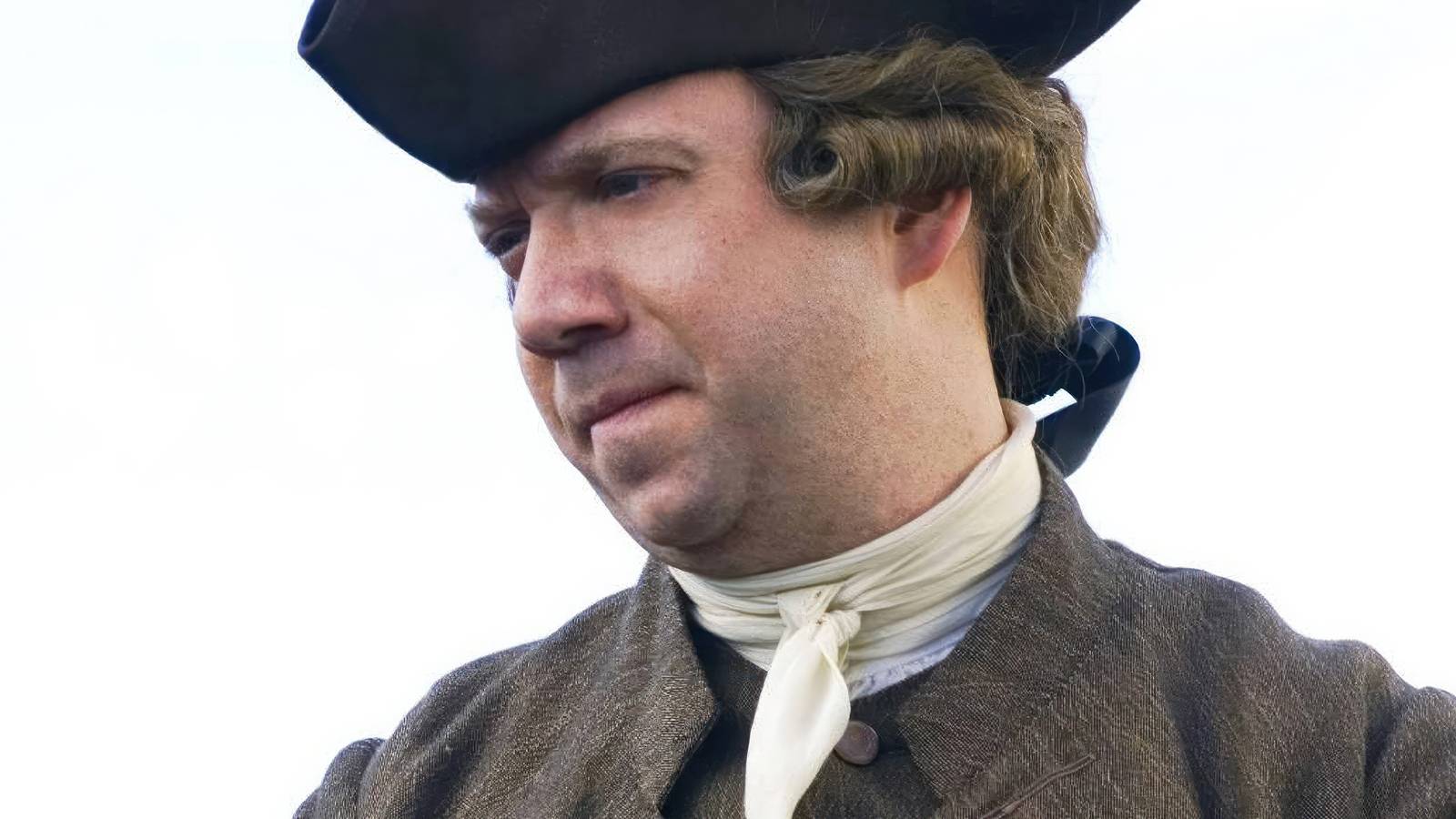
Image via HBO Published Aug 8, 2026, 6:08 PM EDT Ilana is a Lists Trainer and Editor at Collider since 2021. She has previously written for digital publications covering lifestyle and culture (Glitter Magazine, VinePair, etc.), but her passion lies in entertainment. She studied journalism and philosophy at The George Washington University and, despite being a political program, managed to connect every assignment to entertainment. Whether it’s a podcast about Contagion and the pandemic or The Wizard of Oz as an American fairytale, she is interested in the connection between entertainment and culture. Ilana enjoys analyzing movies and TV shows on her blog in her free time, entertainmental.co. Her Film & Philosophy posts have reached thousands of readers - Ratatouille & Karl Marx, Soul & Aristotle, Inglorious Basterds & Machiavelli, etc.). Clearly, she enjoys a wide range of genres and subject matter. As a native New Yorker, Ilana is always searching for nearby film sets and celebrity spottings. She is in the hub of entertainment and culture which continues to inspire her writing, editing, and storytelling. Sign in to your Collider account HBO as we know it was still in its infancy during the 2000s. At this time (and in the decades since its creation), the then-premium cable channel mainly focused on accessible films or longer series that viewers could follow along with for numerous seasons. Somewhere along the way, they incorporated short-form storytelling that lasted for one season; storylines were constrained yet profound with what little time they were given. Interestingly, the majority of HBO miniseries during this decade focused on historical fiction, telling stories about prominent figures and events. Additionally, there was a surge in war genre content, which proved successful for HBO in both critical acclaim and viewership. Some miniseries consist of conventional episodes lasting only one season, while others are broken up into two, three, or four parts of a longer length. Yet, they all managed to tell a compelling narrative in what little time they were given. From Angels in America to Band of Brothers, these are the greatest HBO miniseries of the 2000s, ranked. 10 'The Passion' (2008) Image via BBC One The Chosen is a recent success story revolving around the life of Jesus Christ, told through historical fiction. But decades before that, HBO released a miniseries about the religious figure that garnered just as much interest. The four-part serial follows Jesus Christ (Joseph Mawle) in his final weeks as told through religious text. Each part focuses on one story from the Bible, concluding with a dramatic depiction of his crucifixion and resurrection. Audiences are familiar with the story of Jesus Christ; it's the story that makes The Passion so captivating. Filming took place in Morocco to replicate a Middle Eastern setting, and it would ultimately reach nearly 4.9 million viewers upon its release in 2008. 9 'Tsunami: The Aftermath' (2006) Image via HBO Movies and TV shows about natural disasters never fail to engage with audiences. Unlike other projects on the subject, Tsunami: The Aftermath is not based on real people who endured the event. It's a fictional tale inspired by the tragic event, one that many were still struggling to fathom and the devastation it caused. Tsunami: The Aftermath was a two-part miniseries released in 2006 – just two years after the devastating disaster. The story follows those navigating the aftermath of the tsunami, specifically foreign travelers vacationing on the island. As such, their lives seemingly intersect as they attempt to survive and reunite. Despite a relatively positive reception — and many accolades at awards ceremonies — Tsunami: The Aftermath was met with controversy; the miniseries was filmed in the very same locations affected by the tsunami, and failed to incorporate stories from Thai natives. For example, 2011's The Impossible considered the experience of locals and allowed some time for victims to heal. It provided a much more nuanced depiction of the earthquake and subsequent tsunami. Regardless, this 2000s HBO miniseries is one to watch. 8 'House of Saddam' (2008) Image via BBC Two Another miniseries in partnership with the BBC, House of Saddam, focuses on just that: notorious Iraqi politician, Saddam Hussein (Yigal Naor). While it was directly connected to the timely Iraqi War, House of Saddam goes beyond that by examining his rise to power beginning in the 1970s following a coup he led. House of Saddam is not entirely a documentary, but rather an origin story for the political figure-turned-dictator. This is where the miniseries starts and continues through four 60-minute episodes. During that time, Hussein married, had sons, and shifted relationships with his family as he took on more authoritarian control; this twisted family dynamic is often compared to The Sopranos (though the two are wholly different). House of Saddam concludes with the then-ongoing Iraq War and the eventual fall of Hussein and his regime. 7 'Summer Heights High' (2007) Image via ABC TV Summer Heights High is an early aughts cult classic starring the brilliantly hilarious Chris Lilley. Not only did the talented comedian write the show, but he also stars as all three main characters. Lilley utilized his ability to transform into various characters: popular high schooler Ja'mie King, mischievous schoolboy John Takalua, and 37-year-old teacher Mr. G. They each played an essential role at the titular Summer Heights High School. While this might seem like a daunting challenge, the worldbuilding in Summer Heights High transcended its cringeworthy mockumentary format and fostered deeper coming-of-age themes. Two spin-offs resulted from the show's success: Ja'mie: Private School Girl and Jonah from Tonga. Although it's an Australian show, HBO purchased the rights to the series, allowing it to air within the United States. This would not be the first (or last) time that the streaming service partnered with other production studios to expand their discography to diversify content and audience reach. In the case of Summer Heights High, this proved beneficial. Collider Exclusive · Game of Thrones Personality Quiz Which Game of Thrones House Do You Belong To? Stark · Lannister · Targaryen · Baratheon · Tyrell Five great houses. Five completely different answers to the same question: how do you hold power in a world that will take it from you the moment you stop paying attention? Eight questions will determine where your loyalties — and your nature — truly lie. 🐺Stark 🦁Lannister 🐉Targaryen 🦌Baratheon 🌹Tyrell FIND YOUR HOUSE → 01 Someone powerful is acting dishonourably and everyone knows it. What do you do? In Westeros, the answer to this question has ended more than one great house. ACall it out, openly and on the record. If honour means anything, it has to mean something when it's costly. BUse it. Information about someone else's dishonour is leverage — and leverage is power. CAct decisively to correct it — with or without the approval of those around me. DChallenge them directly. Strength settles disputes more honestly than courtroom manoeuvring. ENavigate carefully — build alliances, apply quiet pressure, and create a situation where the right outcome becomes inevitable. NEXT QUESTION → 02 What is the source of your power? Every house endures because of something. What is it for yours? AThe loyalty of people who trust me — earned over generations, not bought with gold. BWealth, intelligence, and the willingness to use both without sentiment. CA legacy so fearsome and a vision so total that opposition becomes unthinkable. DPhysical strength, military force, and the respect that comes from being the kind of person nobody wants to fight. ECharm, connection, and the ability to make powerful people feel that my success is also theirs. NEXT QUESTION → 03 Who do you truly fight for? Strip away the banners and the words. The honest answer tells you everything. AMy family and my people — those who depend on me and have kept faith with me through everything. BMy family — the ones who share my blood, even when they exhaust me, even when they disappoint me. CMy cause — a vision larger than any single person, including me. DMyself, and those few who've proven themselves worth fighting beside. EMy house — its name, its future, the position I intend to leave it in when I'm gone. NEXT QUESTION → 04 How do you deal with your enemies? A house's method reveals its character as clearly as its words ever could. AHonestly — I face them directly, and I give quarter when it's warranted. BThoroughly — I don't leave loose ends, and I don't make the same enemy twice. CDecisively — fire answers questions that diplomacy only delays. DHead-on — I'd rather meet a threat on the battlefield than behind closed doors. EElegantly — I prefer to make former enemies into allies, or at least into people who owe me something. NEXT QUESTION → 05 What kind of ruler do you believe in? Westeros is full of answers to this question. Most of them end badly. AA just one — someone who serves the realm rather than using it, who leads by example rather than fear. BA capable one — someone smart enough to navigate the game, ruthless enough to win it, and realistic about what winning costs. CA transformative one — someone who doesn't just rule what exists but reshapes what's possible. DA strong one — someone whose authority is beyond question because the alternative is obviously worse. EA wise one — someone who understands that the realm is fed by more than armies, and that a full stomach keeps more peace than a sharp sword. NEXT QUESTION → 06 You suffer a devastating loss. How does your house respond? How a house handles defeat tells you more about it than how it handles victory. AWe grieve, properly and together — and then we endure, because endurance is what we do. BWe adapt. We reassess. And we ensure that whoever caused this loss comes to regret it completely. CWe burn hotter. Setbacks don't soften us — they clarify what needs to happen next. DWe hit back. Grief and revenge are the same motion in our house. EWe regroup quietly, rebuild our position, and return when we're ready — on our terms, not theirs. NEXT QUESTION → 07 Which of these truths about Westeros do you most believe? Every house has a philosophy. This is yours. AThe lone wolf dies, but the pack survives. Nothing matters more than the people you protect. BA Lannister always pays their debts — in gold or in kind. Reputation is built on consistency. CI am the blood of the dragon. Some destinies are written before the person who carries them is born. DOurs is the fury. When we move, we move completely — and we don't stop until it's done. EGrowing strong means knowing when to bloom and when to wait. Patience is its own kind of power. NEXT QUESTION → 08 The Iron Throne is within reach. What do you do? The answer reveals not just your ambition — but your character. AClaim it only if the realm needs me to — and rule in a way that makes it worth having. BEnsure someone who owes us sits in it. The power behind the throne is safer than the throne itself. CTake it. It was always meant to be mine — I feel that in my bones and in my blood. DSeize it — with both hands, without hesitation. Opportunity in Westeros does not wait to be asked. EPosition my house to be indispensable to whoever sits there — influence outlasts any single reign. REVEAL MY HOUSE → The Maester Has Spoken Your House Is…Your answers point to the great house whose words, values, and way of surviving in Westeros match your own. Bend the knee — or don't. That's very much up to you. 🐺 House StarkWinter is Coming — and you have always known it. You prepare not out of fear but out of duty, because the people who depend on you deserve someone who takes the long view. You lead with honour even when it costs you, because you understand that a reputation built on integrity is the only one worth having. Your loyalty to family and people runs deep — not as sentiment but as a code that doesn't bend when things get difficult. The North endures because Starks endure — not by being the cleverest players in the game, but by being the kind of people others are willing to follow into the cold. You are that kind of person. The pack survives. The lone wolf dies. You already know which one you are. 🦁 House LannisterYou understand the game — its rules, its exceptions, and exactly when the rules become the exception. You play it without illusions and without apology. You are sharper than most people realise, and you have learned to use that gap to your advantage. A Lannister always pays their debts — and you always keep your word, because your word is an instrument of power, and instruments must be kept in working order. You love your family with a ferocity that sometimes blinds you, and you know it, and you do it anyway. The lion doesn't concern itself with the opinion of sheep. Neither, in the end, do you. 🐉 House TargaryenYou carry a sense of destiny that is difficult to explain and impossible to ignore — the feeling that you are not simply participating in the world but meant to reshape it. You are capable of extraordinary things, and you know it, and that knowledge is both your greatest strength and your most dangerous quality. Fire and blood are not just words to you — they are a philosophy about what change requires and what it costs. The Targaryens at their best were transformative rulers who broke chains and defied the limits of what anyone thought possible. At your best, so are you. The dragon has three heads. You are one of them. 🦌 House BaratheonYou are a force — direct, powerful, and difficult to ignore when you enter a room or a conflict. You do not negotiate with challenges. You meet them. Ours is the fury — and yours is a kind of intensity that commands attention, respect, and occasionally fear from those who underestimate what's behind it. You value strength and straight dealing. You'd rather know where you stand in a fight than navigate a web of courtly whispers. The Baratheons built their house on the back of one of the greatest military victories in Westerosi history — and then struggled with what came after. The lesson of your house is that winning is not the end of the story. Governing is. You are learning that too. 🌹 House TyrellYou understand that power does not always announce itself — that sometimes it arrives with flowers, good wine, and a smile that doesn't quite reach the eyes. Growing strong is your house's motto, and you live it: patiently, strategically, always investing in the relationships and resources that will matter most when it counts. You are charming by choice and calculating by nature — a combination that makes you one of the most effective players in any room you enter. The Tyrells fed King's Landing and shaped its politics without ever sitting on the Iron Throne — and they were arguably more powerful for it. You know that the person who controls the food controls the kingdom. And you always know where the food is. ↻ RETAKE THE QUIZ 6 'Elizabeth I' (2005) Image via HBO Elizabeth I has been the subject of many movies, TV shows, and documentaries. She lived a fascinating life worthy of attention. The HBO miniseries is one of the best depictions of Elizabeth I (played by Helen Mirren) — an impressive title considering its vast competition as each takes their creative liberties worthy of respect and admiration for the long-reigning monarch. The Channel 4 series made its way to HBO after its original release and did just as well in the United States, suggesting a long-standing interest in the subject matter. As the story goes, Elizabeth I reigned during a tumultuous time in England and Europe, marked by significant religious and political upheaval. Elizabeth I focuses on this, as well as her romantic relationships along the way. Additionally, Elizabeth I is known for never producing an heir, ending the Tudor dynasty. It's a depiction of the queen's latter years told over two parts. Interestingly, the monarch is often depicted with dramatic powdered white makeup – something that the miniseries did not do. It's a more existential story that won Mirren — and the series — numerous Emmy Awards that year. 5 'Generation Kill' (2008) Image via HBO HBO's Generation Kill is one of many shows on the streaming service depicting war. This time, it focused on a topic that was still fresh in the minds of Americans – the (then-ongoing) Iraq War. Based on journalist Evan Wright's 2004 book of the same name, Generation Kill is a piece of narrative fiction following the U.S. Marine Corps' 1st Reconnaissance Battalion, which Wright reported; characters were based on their likeness and his experiences. With a strong main and supporting cast, and a setting mimicking Iraq, Generation Kill was applauded for its ability to showcase the emotional and physical toll of the war on both U.S. soldiers and the people of Iraq. Overall, the seven-part miniseries tackles the United States' presence in Iraq with humility, allowing for a more authentic depiction of the events that took place. Generation Kill served as an important piece of American history early in the 21st century. 4 'John Adams' (2008) Image via HBO Long before Hamilton came a historical fiction piece about another U.S. Founding Father: John Adams (Paul Giamatti). There have been many biopics about American presidents, but this HBO miniseries allowed for a more in-depth exploration of Adams' life throughout its seven episodes. John was more than just a Founding Father, as the miniseries explores. It serializes his life during the Boston Massacre of 1770 and continues until he died in 1826. It's not that Adams lived in the shadow of his presidential predecessor, George Washington (David Morse); his many accomplishments are just more widespread, as is his prevalence in the formation of the United States. This is well-documented throughout history, making the accuracy of the miniseries all the more compelling. But John Adams didn't just go into the historical figure's role in politics and international affairs; he was a family man with a dutiful wife and children. The series is based on David McCullough's Pulitzer Prize-winning novel and went on to receive its accolades at the 2008 Emmy Awards. 3 'Angels in America' (2003) Image via HBO Mike Nichols' 1991 Pulitzer Prize-winning play laid the foundation for a topic often considered taboo at the time, acknowledging the ongoing AIDS crisis on stage for one of the first times. There have been numerous adaptations since 1991, including an opera performance and an on-stage revival (starring Andrew Garfield). But it's HBO's version of Angels in America that truly captured Nichols' intentions. It's long enough to tell a succinct story without compromising unnecessary exposition. Angels in America covers very real, often difficult topics, including sex, gender, politics, and race. But it does so with humility and honor. It's a lot like Rent in that way, following the lives of New Yorkers during the 1980s AIDS epidemic. They are all loosely connected in some way, affected by the disease and its lasting effects, signifying the reality of this era through various perspectives. 2 'The Corner' (2000) Image via HBO Consider The Corner as a prequel to The Wire. In many ways, it can be said that the former inspired HBO's beloved series. Indeed, HBO often employs the same roster of actors in their many shows – the same goes for directors. As such, both The Corner and The Wire were created by Baltimore-based journalist David Simon; they share many similarities, depicting life in Baltimore and the surrounding issues related to drugs and poverty. The 2000 HBO miniseries, however, differs from The Wire in that it takes direct stories from Simon's novel of the same name, incorporating real people and events into the show's six episodes. The Corner focuses on one family and their direct relation to the drug war happening in Baltimore at the time. The miniseries also taps into themes of love, support, and redemption. The Corner is not an easy watch, but it is worth recognizing, particularly for fans of The Wire. 1 'Band of Brothers' (2001) Band of Brothers is often considered one of HBO's greatest miniseries of all time – and the best war TV show altogether. It certainly earned that title. Tom Hanks and Steven Spielberg were not done telling the stories of soldiers during WWII following their Oscar-winning 1998 movie, Saving Private Ryan. Although Band of Brothers is not a sequel, the two do share connections that suggest they occur within the same world. The miniseries even draws connections to characters from the movie. At its core, Band of Brothers is a character study of one battalion's bond during World War II. It's a piece of historical fiction based on the real-life Easy Company, 2nd Battalion, 506th Parachute Infantry Regiment, 101st Airborne Division. The miniseries is full of empowering moments of anticipation as the group goes through training, followed by the harshness of battle. A major reason for Band of Brothers' reception is its respect for historical accuracy. This is a series that required extensive research. The miniseries boasts high ratings on IMDb and Rotten Tomatoes, and won both an Emmy Award and a Golden Globe for Best Television Miniseries in 2002. Band of Brothers Release Date 2001 - 2001 Network HBO The story of Easy Company of the U.S. Army 101st Airborne Division and their mission in World War II Europe, from Operation Overlord to V-J Day. Showrunner Steven Spielberg, Tom Hanks Directors David Frankel, David Nutter, Mikael Salomon, Phil Alden Robinson, Richard Loncraine, Tom Hanks Writers Bruce C. McKenna, Graham Yost, John Orloff Main Genre War Seasons 1 Producers Erik Bork, Erik Jendresen, Gary Goetzman, Mary Richards, Stephen Ambrose, Tony To Streaming Service(s) MAX Executive Producer(s) Steven Spielberg
10 Greatest HBO Miniseries of the 2000s
Full Article
Original Source
Read the full article at Collider →KhanList aggregates and links to publicly available news content. We do not host full articles from third-party sources. Always verify important information with original sources.