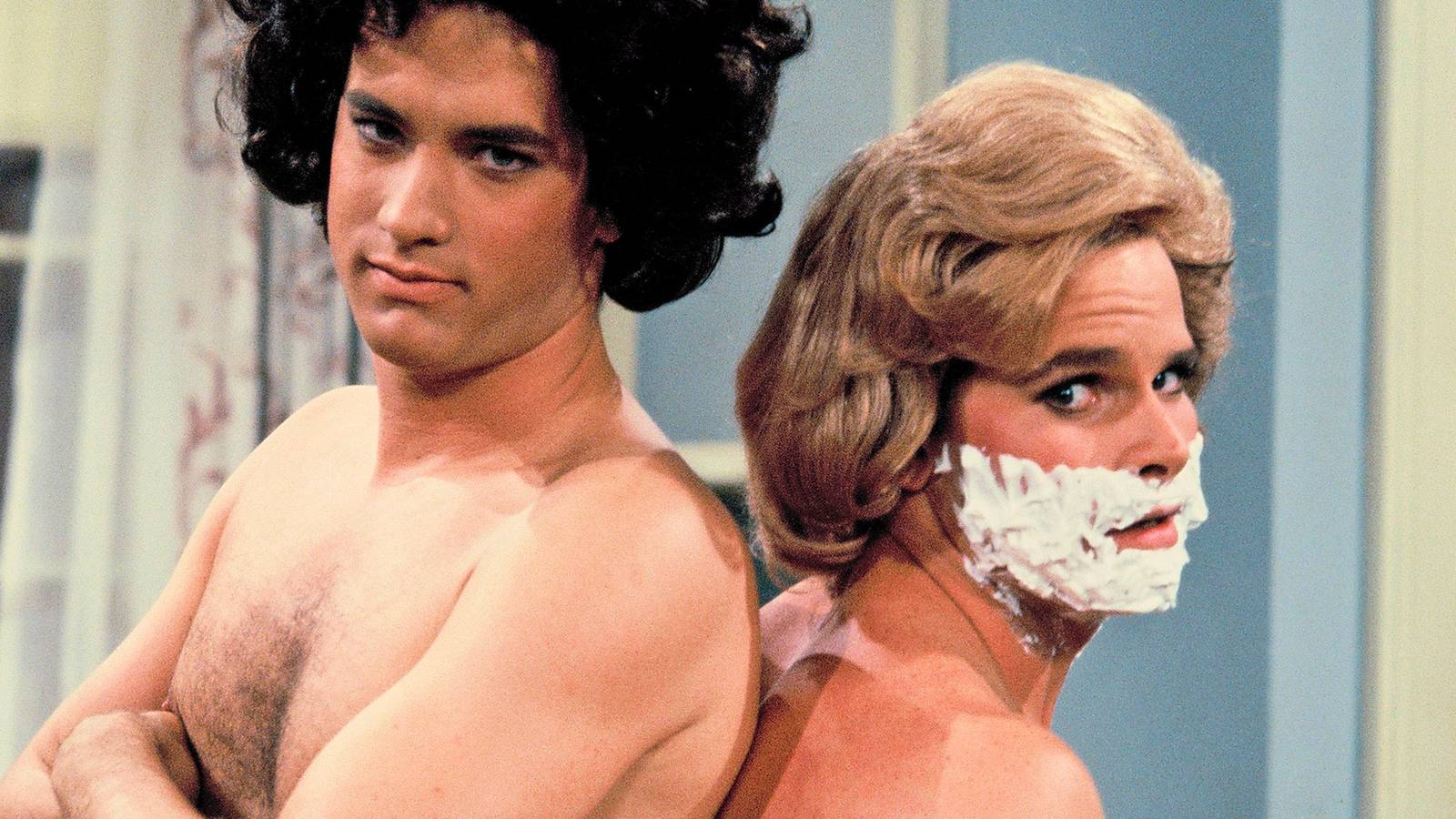
Published Aug 9, 2026, 11:00 AM EDT Arielle Port started as a TV producer, developing content for Netflix (Firefly Lane, Brazen) and Hallmark (The Santa Stakeout, A Christmas Treasure) before transitioning into entertainment journalism. Her love of story went from interest to lifelong passion while at The University of Pennsylvania, where she fell in with a student-run web series, Classless TV, and it was a gateway drug. Arielle Port has been a Writer for Screen Rant since August 2024. She lives in Los Angeles with her boyfriend and more importantly, her cat, Boseman. Comedy tends to age faster than drama because humor depends so heavily on contemporary social norms, stereotypes, and assumptions about what audiences consider acceptable or absurd. A joke that once relied on a shared cultural understanding can stop being funny or become uncomfortable once that understanding changes. The best sitcoms can age like fine wine, with timeless characters and sharp writing allowing the humor to endure even as the culture around them changes. However, even the most beloved sitcoms aren’t immune to sour elements, with shows like Friends feeling noticeably more dated today than they did when they first aired. Many sitcoms are tragically forgotten, their high quality not being enough to make them popular in their time or develop a cult following after the fact. However, even more sitcoms are mediocre or worse, and deserve to be lost in the annals of TV history. Because of high-concept premises or leaning into the laziest version of stereotypes, these 10 sitcoms are truly justifiably forgotten while aging more like milk than wine. From the '60s to the 2000s, every sitcom era has left behind shows that are very different through a modern lens. Perfect Strangers 1986-1993 Image via Everett Collection Balki Bartokomous (Bronson Pinchot) was always meant to be an exaggerated amalgamation of immigrant stereotypes. He comes from the fictional Mediterranean island of Mypos, allowing the series to invent customs, sayings, and traditions rather than parody one specific nationality. Balki was sweet, innocent, and relentlessly optimistic, yet much of the humor still comes from a broad idea of foreignness. Even the names are deliberately on the nose: Balki's thoroughly American cousin is Larry Appleton (Mark Linn-Baker), a name designed to evoke apple pie. Making Mypos fictional gave the writers freedom to exaggerate without directly targeting a real culture, but it also suggests an awareness that Balki's characterization walked a knowingly delicate line. It's difficult to imagine the same premise today without a more nuanced exploration of immigration, assimilation, and the cultural exchange between the two cousins. Perfect Strangers was a genuine hit during its eight-season run on ABC, but it has largely faded from the broader sitcom conversation. Yes, Dear 2000-2006 Image via Everett Collection Yes, Dear feels distinctly rooted in early-2000s sitcoms. Greg (Anthony Clark) and Jimmy (Mike O'Malley) represent different versions of the immature husband, while Kim (Jean Louisa Kelly) and Christine (Liza Snyder) are frequently left playing the more responsible wives who have to manage their spouses' behavior. The lazy man-child husband versus the nagging, competent wife dynamic was hardly unique to Yes, Dear, but the series relied heavily on the assumption that men and women naturally want different things. The show presumed every marriage is an endless negotiation, not a partnership. Yes, Dear can still be funny, but it didn’t bring a fresh perspective or satirical take on an old trope. Critics panned the show, but it became a sleeper hit and ran for six seasons on CBS, even if it’s largely forgotten today. My Two Dads 1987-1990 Image via Everett Collection There is no shortage of single dad sitcoms, ranging from the beloved Full House to the less iconic Baby Daddy. My Two Dads took the formula to another level. After a woman dies, her teenage daughter Nicole (Staci Keanan) is placed in the joint custody of two former romantic rivals, either of whom could be her biological father. The result is a forced odd-couple scenario, with uptight financial advisor Michael (Paul Reiser) and laid-back artist Joey (Greg Evigan) learning to raise a teenager together. Even by standards of sitcoms in the 1980s, the legal logic is spectacularly flimsy. The series acknowledges that determining Nicole's biological father is possible, but deliberately keeps her parentage a mystery from both the characters and the audience. It's a bonkers premise for the runtime of Mamma Mia!, let alone 60 episodes of an NBC sitcom. My Two Dads found a respectable audience during its run, but it has largely faded into nostalgic obscurity. According to Jim 2001-2009 According to Jim takes the stereotypical sitcom marriage found in Yes, Dear and cranks it up several notches. Jim (Jim Belushi) is a lazy, cheap, selfish husband who regularly lies to his wife Cheryl (Courtney Thorne-Smith) to get his way, while his arrogance and casual misogyny are frequently treated as lovable flaws she simply has to manage. Even his sister-in-law Dana (Kimberly Williams-Paisley), who normally despises him, occasionally flirts with Jim when she gets drunk. The formula clearly worked at the time. According to Jim was durable enough to run for eight seasons on ABC. Despite that longevity, it has largely faded from the conversation around best 2000s sitcoms. The battle-of-the-sexes humor that once made Jim a familiar sitcom archetype now makes his marriage feel especially dated. Belushi brings enough natural charm to make Jim more likable than he has any right to be, but even that can't keep the character or the sitcom built around him from feeling increasingly dated. Men Behaving Badly 1992-1998 Image via Everett Collection The title of Men Behaving Badly says it all. Gary (Martin Clunes) and Tony (Harry Enfield) are immature, beer-drinking slackers whose interests largely revolve around football, sex, and the women in their lives, with Tony particularly obsessed with his attractive upstairs neighbor, Deborah (Leslie Ash). Their terrible behavior was always the joke, but the casual sexism and objectification also made the sitcom a perfect encapsulation of 1990s British “lad culture.” After a rocky start on ITV, Men Behaving Badly moved to BBC One and became one of Britain's defining comedies of the decade, eventually running six series. It remains well remembered in the UK as one of the classic British sitcoms, although it is less known internationally. NBC even attempted an American remake in 1996, but removing the British context only made the immature-men-behaving-terribly premise feel more generic, and that version lasted just two seasons. The War At Home 2005-2007 Image via Everett Collection Dave (Michael Rapaport) and Vicky Gold (Anita Barone) are a Long Island couple raising three increasingly independent teenagers in The War at Home. Rather than finding warmth in the family's dysfunction, the sitcom frequently relied on bullying, insults, and an aggressively hostile atmosphere for its comedy. The series wanted to seem edgy, but often resorted to crude stereotypes. Dave was particularly difficult to stomach, regularly ranting with casual sexism, homophobia, and bigotry. He panics when his daughter dates a Black teenager, yet is equally upset by the possibility that his son could be gay. An intentionally offensive protagonist can work when his ignorance is meaningfully challenged, as All in the Family demonstrated decades earlier, but Dave rarely experienced meaningful growth. The War at Home attracted a respectable audience but lasted only two seasons on Fox, and didn’t leave much of a footprint. Today, its punch-down humor feels more mean-spirited than subversive. The Secret Diary of Desmond Pfeiffer 1998 Image via Everett Collection The Secret Diary of Desmond Pfeiffer was controversial before audiences even had much opportunity to forget it. The sitcom follows Desmond Pfeiffer (Chi McBride), a Black English nobleman chased from Britain by gambling debts who becomes Abraham Lincoln's (Dann Florek) valet. Desmond serves as the intelligent, erudite backbone of a Civil War-era White House otherwise populated largely by fools and drunkards. The problem was its attempt to turn slavery-era America into the setting for a lighthearted workplace comedy. Racial satire can work when handled thoughtfully, as seen in Blazing Saddles, but Desmond Pfeiffer struggled to convince audiences that its approach justified the subject matter. Black advocacy groups protested the series before its premiere, and UPN ultimately aired only a handful of its nine produced episodes before canceling it. The show was never a hit and is now remembered, when it is remembered at all, primarily as one of the '90s TV shows that truly aged like milk. The Courtship of Eddie's Father 1969-1972 Image via Everett Collection Based on the 1963 movie, The Courtship of Eddie's Father follows handsome Los Angeles widower Tom Corbett (Bill Bixby) and his mischievous six-year-old son, Eddie (Brandon Cruz). Convinced that they need a new woman in their lives, Eddie frequently meddles in his father's relationships and attempts to steer him toward women the boy considers suitable mother material. The premise feels considerably ickier today, with women often treated less as people than prospective solutions to the Corbetts' domestic needs. Their housekeeper, Mrs. Livingston (Miyoshi Umeki), provided notable Asian representation on 1960s television, but her endlessly patient wisdom also plays into the era's stereotypical depiction of Asian characters as serene and inscrutable. The series was successful enough to last three seasons on ABC and developed a loyal audience, although it was never a ratings juggernaut. Today, it is largely a nostalgic curiosity, with its warm father-son relationship remembered more fondly than its dated approach to women and race. Bosom Buddies 1980-1982 Bosom Buddies is practically the gold standard for sitcom premises that haven't aged particularly gracefully. Bosom Buddies stars a young Tom Hanks alongside Peter Scolari as Kip and Henry, two struggling advertising creatives who disguise themselves as women so they can live in an affordable women-only apartment building. Naturally, maintaining the deception leads to increasingly elaborate misunderstandings. Gender stereotypes and supposedly fundamental differences between men and women provided much of the comedy, while the disguises allowed Kip and Henry to move between male and female social worlds. The premise was knowingly ridiculous even then, but gender identity and cross-dressing are approached very differently in mainstream comedy today. Bosom Buddies was never a major ratings hit and lasted only two seasons on ABC, although it developed a following in reruns. Today, it is remembered primarily as the fascinating answer to the question of what Hanks was doing before he became one of Hollywood's biggest movie stars. My Living Doll 1964-1965 My Living Doll was essentially a sci-fi precursor to I Dream of Jeannie. Psychiatrist Bob McDonald (Robert Cumming) is entrusted with AF-709, a top-secret, lifelike android disguised as the niece of her inventor. The beautiful android, renamed Rhoda (JulieNewmar), then becomes Bob's opportunity to create his idea of the “perfect woman.” Unfortunately, Bob defines perfection as a woman who does what she is told and doesn't talk back. While Rhoda attempts to understand human behavior, Bob tries to train her to conform to his preferred version of femininity. My Living Doll wasn't a major success, lasting just one season on CBS despite Newmar and Cummings' fame at the time. It subsequently fell into obscurity, not making the lists of '60s TV shows worth revisiting, and many episodes were lost for decades. Today, its bizarre premise would be more likely to be made as a psychological thriller than a sitcom.
10 Forgotten Sitcoms That Have Aged Like Milk
Full Article
Original Source
Read the full article at Screenrant →KhanList aggregates and links to publicly available news content. We do not host full articles from third-party sources. Always verify important information with original sources.