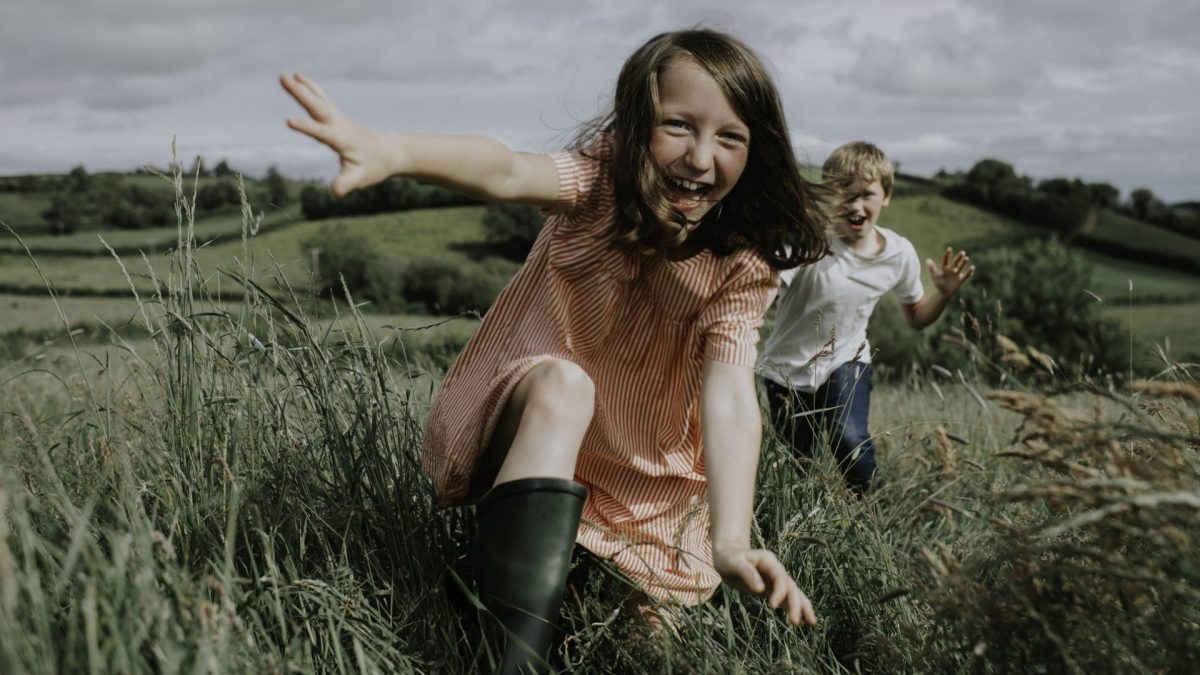
There are now more obese than underweight children in the world for the first time, according to the children’s charity Unicef. Around one in 10 children and young people are now thought to be affected by obesity, which carries an increased risk of developing type 2 diabetes, cardiovascular problems and asthma. The study follows NHS research published earlier this year which found that 26 per cent of children aged two to 15 in England are overweight or living with obesity. Shorts “National guidelines recommend that from the age of five, children should aim for around an hour of activity every day, ideally enough to get them moving, warmer and breathing a little faster,” says Dr Ravi Lukha, medical director at Bupa Health Insurance. “For some children, this can happen naturally through play. But for others, exercise can feel less appealing – especially when screens, games or favourite toys are close by. “If that sounds familiar, it can help to introduce movement in playful ways that feel low pressure, often without them realising they’re exercising at all.” Here, then, are 10 suggestions from Dr Lukha to get your child moving, from toddlers to teens… Create challenges every day (Photo: Catherine Falls Commercial/Getty/Moment RF) 1. Jump puddles and navigate obstacles “Turning everyday outdoor moments into playful, supervised challenges is a simple way to encourage movement in young children. Jumping over puddles, stepping tile to tile on footpaths, safely away from kerbs and roads, or assisted balancing along low walls helps toddlers to develop co-ordination, balance and confidence, all while feeling like a game rather than exercise. “Parents can make it more fun by turning it into a story, such as pretending puddles are ‘lakes’ to cross or counting how many jumps it takes to get home. These short bursts of movement support physical development and help children burn off energy, while also encouraging curiosity and enjoyment of being active outdoors from an early age.” 2. Turn tidying up into a game “Next time it’s time to tidy up, ask them to hop, skip or carry their toys one at a time across the room. You can pop on some music or set a timer and see how many things they can put away before the tune ends, turning tidying into a fun challenge. “These little bursts of activity will help them build strength and co-ordination and make moving about it feel like part of everyday fun. “When activity is made part of everyday family life, children are more likely to take part willingly and view exercise as a positive, natural aspect of their routine.” Tidying up can be fun (Photo: Halfpoint Images/Getty/Moment RF) 3. Follow the leader “Follow the leader is a flexible game that allows children aged four to seven to copy movements such as marching, hopping, crawling or stretching. Letting children take turns being the leader increases engagement and gives them a sense of control, which can be especially helpful for those who are reluctant to participate in structured activities. “This type of play supports whole-body movement, balance and co-ordination. With simple rules, this activity can be adapted to different energy levels, works well both indoors or outdoors and encourages children to move in a playful and fun way.” 4. Play musical statues “Put on their favourite music and encourage them to dance freely, then pause the music and ask them to freeze in place. This keeps children engaged while helping to develop co-ordination, balance and listening skills. “You can add variety by playing different genres and suggesting different types of movement, such as jumping, spinning or marching. Because the game is light-hearted and short, it works well for children who may struggle with attention or motivation. Importantly, it links movement with enjoyment, helping children see physical activity as something fun rather than a chore.” Teach them ball skills (Photo: David Madison/Getty/ Stone RF/2006 Madison Images, Inc.) 5. Ball games that build skills gradually “Simple ball games, such as throwing and catching, kicking at targets or bouncing and counting catches are an accessible way to build physical confidence among children aged seven to 10. Starting with a soft ball or balloon and short distances helps children to develop co-ordination and reaction skills without feeling overwhelmed. “These games can be played in short sessions and adapted for ability, making them suitable for children who may feel nervous about competitive sports. Over time, these games can help children gain confidence in their movement, which can make them more willing to try new physical activities and sports as they grow. 6. Design and complete an obstacle course “Letting children design their own obstacle course can be a great way to encourage active play. Adaptable for sunny or rainy days, challenge your children to use household objects to create routes that involve jumping, crawling, balancing and running around your home or garden. Timing themselves or trying to beat their own score adds a gentle sense of challenge without pressure. “This type of activity supports strength, co-ordination and problem-solving, while giving children a sense of ownership over how they move. By focusing the activity on creativity and fun, children are more likely to repeat the activity, helping them build regular movement into their day without it feeling like structured exercise.” Get teenagers into nature (Photo: SolStock/Getty/E+) 7. Purposeful walks and challenges “For some teenagers, motivation to move increases when there is a purpose beyond exercise. A photography walk, nature-spotting challenge or themed walk with friends or family gives movement a clear goal, whether that is capturing photos, finding landmarks or completing a checklist of colours spotted en route. Walking becomes a social or creative activity rather than explicit exercise, which can feel more appealing at this age. “These types of walks support physical health, while also encouraging time outdoors and away from screens. They can help teenagers build positive habits around movement that feel flexible and enjoyable, rather than something they’re being told they should do. 8. Active breaks between homework or revision “As school studies increase for early to mid-teenagers, they can spend long periods of time sitting down. Try to encourage short active breaks between their homework or revision sessions which can help keep them moving without disrupting their focus. Simple activities, such as stretching, walking around the block or doing a few minutes of light movement can make a difference. “These short breaks support physical health and may also help concentration and reduce restlessness. Framing them as a way to reset rather than exercise can make teenagers more receptive, especially during busy school and study days. Teach independence through movement (Photo: Elva Etienne/Getty/Moment RF/Elva Etienne) 9. Everyday movement through independence “Being active doesn’t have to mean trips to the gym or strict exercise routines. As teenagers start gaining independence, everyday tasks can become opportunities for regular movement. “These might include walking or cycling to school, college or part-time work, running errands on foot and helping with active household jobs, all of which contribute to staying physically active without formal exercise. “Helping your teenager view movement as a natural part of their daily life can really set them up for lasting wellbeing.” 10. Team movement with social activities “For older teenagers, movement often fits best into social activities rather than a separate task such a a formal workout. Walking to meet friends, casual bike rides, skating, bowling or swimming socially all involve physical activity without the structure or pressure of organised exercise. “On a nice day, encourage your teen to travel on foot or cycle rather than getting the bus or going via car. “Being active with friends can also boost motivation and confidence, particularly for those who feel self-conscious about traditional fitness settings. Over time, this approach helps young people to maintain an active lifestyle in a way that feels realistic, sustainable and suited to their growing independence.”
10 easy ways to get your child active, according to a doctor
Full Article
Original Source
Read the full article at Inews →KhanList aggregates and links to publicly available news content. We do not host full articles from third-party sources. Always verify important information with original sources.